
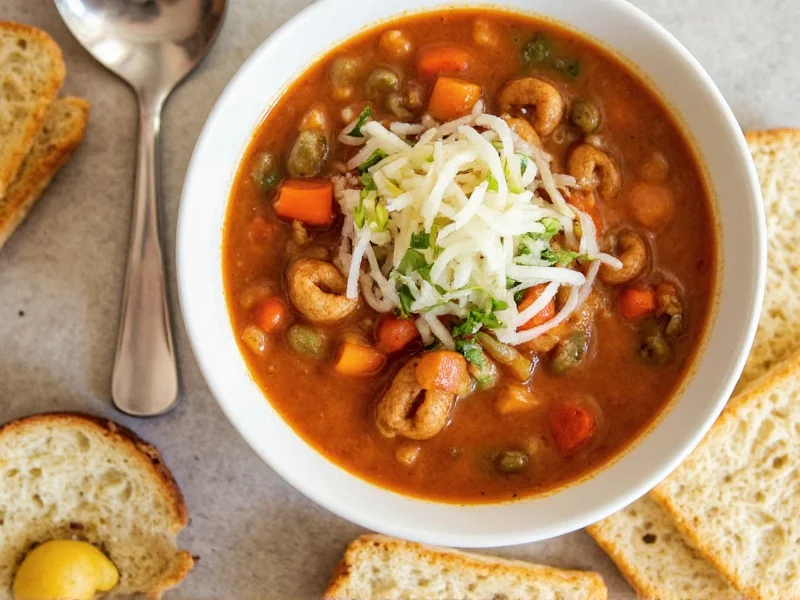
When shoppers search for convenient, wholesome meal solutions, Amy's soups consistently appear as a top choice among organic canned soup brands. This comprehensive guide examines what makes these products stand out in today's health-conscious marketplace while providing factual information to help consumers make informed decisions.
Company Background and Philosophy
Amy's Kitchen began in 1989 when founders Andy and Rachel Berliner created frozen meals for Rachel during her pregnancy. Today, the Santa Rosa, California-based company has grown into a major player in the organic food industry while maintaining its commitment to vegetarian, organic ingredients. Unlike many competitors in the vegetarian soup options at grocery stores, Amy's operates as a certified B Corporation, meeting rigorous standards of social and environmental performance.
Product Range and Key Features
The Amy's soups line includes more than 30 varieties across multiple categories. Their product development focuses on creating options that accommodate various dietary needs without compromising taste or convenience.
| Product Category | Popular Varieties | Dietary Features |
|---|---|---|
| Canned Soups | Chunky Vegetable, Lentil, Cream of Mushroom | Organic, Non-GMO, Gluten-free options |
| Ready-to-Eat Bowls | Black Bean & Corn, Minestrone | Vegan, Dairy-free, Microwaveable |
| Cup-to-Go | Tomato Basil, Split Pea | Portable, No preservatives, Single-serve |
Nutritional Profile Analysis
When evaluating nutritional information for Amy's chunky vegetable soup compared to conventional brands, several patterns emerge. Most Amy's soups contain between 150-250 calories per serving, with sodium levels ranging from 400-700mg. While sodium content remains a consideration for health-conscious consumers, Amy's soups typically contain significantly less sodium than traditional canned soups while avoiding artificial preservatives.
For those following specific dietary patterns, Amy's offers clear labeling for vegan, gluten-free, and dairy-free options. Their ingredient transparency stands out when comparing Amy's soups to other organic brands, with most products containing recognizable whole food ingredients rather than processed components.
Market Position and Consumer Reception
In the competitive landscape of organic canned soup brands, Amy's maintains a distinctive position. Market research shows consistent consumer preference for Amy's among shoppers seeking vegetarian soup options at grocery stores, particularly among those prioritizing organic certification and clear ingredient labeling.
Consumer reviews frequently highlight the brand's commitment to quality ingredients and reliable taste profile across varieties. While some critics note higher price points compared to conventional soups, most value-conscious shoppers find the premium justified by the organic certification and dietary accommodations.
Availability and Purchasing Options
Finding where to buy Amy's organic soups near me has become increasingly straightforward as the brand's distribution has expanded. Major grocery chains including Whole Foods, Kroger, and Target carry multiple Amy's soup varieties. The company's website features a store locator tool that helps consumers identify nearby retailers stocking specific products.
For online shoppers, Amy's soups are available through major e-commerce platforms including Amazon, Thrive Market, and the company's direct website. This multi-channel approach ensures accessibility regardless of geographic location or shopping preference.
Making Informed Choices
When selecting from the wide array of Amy's soup products, consider your specific dietary requirements and flavor preferences. The brand's detailed labeling makes it relatively simple to identify options matching particular needs, whether you're seeking gluten-free soup options from Amy's Kitchen or vegan varieties without compromising on taste.
For best results, many culinary experts recommend enhancing Amy's soups with fresh ingredients like herbs, vegetables, or protein sources to create more substantial meals while maintaining the convenience factor that makes these products popular among busy households.
Frequently Asked Questions
Are all Amy's soups gluten-free?
No, not all Amy's soups are gluten-free. While the company offers several certified gluten-free varieties clearly labeled as such, many traditional soup products contain wheat-based ingredients. Always check the specific product label for gluten-free certification if this is a dietary requirement.
How does Amy's soups compare nutritionally to other organic brands?
Amy's soups generally contain comparable calorie counts to other organic brands but often feature lower sodium levels and more whole food ingredients. Unlike some competitors, Amy's avoids artificial preservatives and maintains consistent organic certification across their product line, making them a preferred choice among consumers seeking transparent ingredient lists.
Do Amy's soups require refrigeration after opening?
Yes, like all canned soups, Amy's products require refrigeration after opening. The company recommends transferring unused portions to a covered container and consuming within 3-4 days. Unopened cans maintain shelf stability for 18-24 months when stored in a cool, dry place.
Are Amy's soups suitable for vegan diets?
Many Amy's soups are vegan, but not all varieties. The company clearly labels vegan options with a prominent "Vegan" designation on packaging. Popular vegan varieties include Black Bean & Corn, Lentil, and Minestrone soups. Always verify the specific product labeling as formulations may change.




 浙公网安备
33010002000092号
浙公网安备
33010002000092号 浙B2-20120091-4