
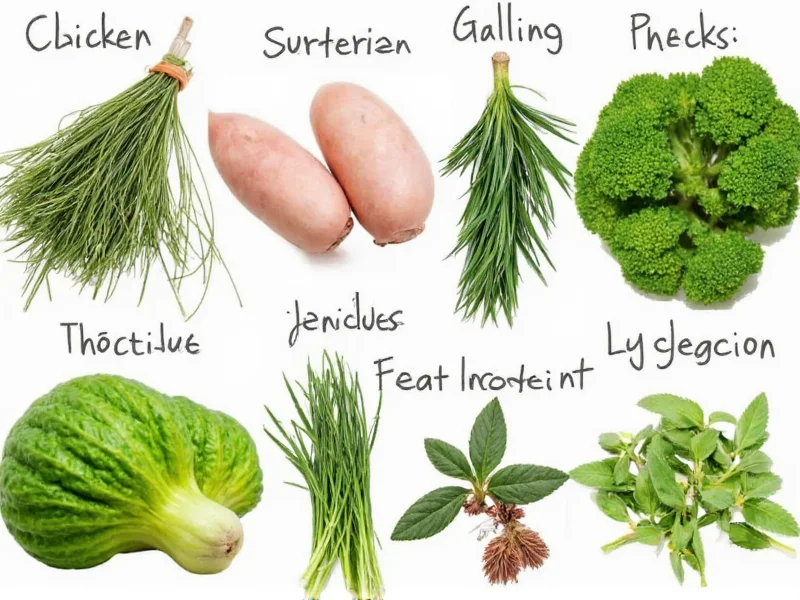
The five best herbs for chicken are rosemary, thyme, sage, parsley, and oregano. These herbs enhance chicken's mild flavor with complementary earthy, citrusy, and aromatic notes without overpowering the meat. Rosemary's pine-like intensity works perfectly with roasted chicken, while thyme's subtle lemon undertones elevate grilled preparations. Fresh herbs generally provide brighter flavor than dried varieties, though dried oregano maintains excellent potency for marinades.
Chicken's versatile flavor profile makes it the perfect canvas for herb experimentation, but not all herbs complement poultry equally. Understanding which herbs enhance chicken's natural qualities can transform ordinary dishes into culinary highlights. This guide explores the science behind herb-chicken pairings, optimal usage methods, and regional variations that professional chefs rely on.
Why Herb Selection Matters for Chicken Dishes
Chicken has a relatively neutral flavor profile compared to stronger meats like beef or lamb, making herb selection particularly crucial. The right herbs don't just add flavor—they interact chemically with chicken's proteins and fats during cooking, creating new aromatic compounds through the Maillard reaction. Herbs containing high levels of volatile oils (like rosemary and thyme) penetrate chicken tissue more effectively than milder varieties, creating deeper flavor integration.
Top Herbs for Chicken: Detailed Analysis
Rosemary (Rosmarinus officinalis)
Rosemary's robust, pine-like flavor with citrus undertones makes it arguably the best herb for roasted chicken. The herb's high concentration of rosmarinic acid withstands high-heat cooking methods without becoming bitter. When used with chicken, rosemary's camphor notes mellow into complex woody aromas that complement poultry fat beautifully.
Pro tip: For optimal flavor extraction, bruise fresh rosemary sprigs between your palms before adding to marinades or roasting pans. Use one sprig per pound of chicken for balanced flavor.
Thyme (Thymus vulgaris)
Thyme's subtle lemon and earthy notes work exceptionally well with chicken across multiple cooking methods. Unlike more aggressive herbs, thyme enhances rather than dominates chicken's natural flavor. The herb contains thymol, which has natural antimicrobial properties that can help tenderize chicken while adding distinctive flavor.
French chefs often use thyme in bouquet garni for chicken stocks and braises. For grilled chicken, tuck whole sprigs under the skin for slow flavor infusion during cooking.
Sage (Salvia officinalis)
Sage's earthy, slightly peppery flavor with eucalyptus notes creates sophisticated pairings with chicken, particularly darker meat. The herb's high tannin content helps cut through chicken's natural richness. Sage works especially well with chicken liver and in sausage preparations.
Important note: Use sage sparingly as its strong flavor can overwhelm chicken. One teaspoon of chopped fresh sage per pound of chicken provides optimal balance without bitterness.
| Herb | Best Cooking Method | Fresh vs Dried Ratio | Flavor Profile |
|---|---|---|---|
| Rosemary | Roasting, Grilling | 1:3 (1 tbsp fresh = 1 tsp dried) | Pine-like, citrusy, robust |
| Thyme | Braising, Roasting, Grilling | 1:3 (1 tbsp fresh = 1 tsp dried) | Earthy, lemony, subtle |
| Sage | Pan-searing, Stuffing | 1:3 (1 tbsp fresh = 1 tsp dried) | Peppery, eucalyptus, earthy |
| Parsley | Finishing, Marinades | 1:2 (2 tbsp fresh = 1 tbsp dried) | Grassy, fresh, mild |
| Oregano | Grilling, Marinating | 1:1 (dried maintains potency) | Peppery, slightly bitter |
Regional Herb Traditions for Chicken Preparation
Different culinary traditions have developed distinctive herb combinations for chicken based on local availability and flavor preferences:
Mediterranean Herb Blends
The classic French herbes de Provence (thyme, rosemary, oregano, marjoram) creates exceptional roasted chicken with garlic and lemon. In Greek cuisine, oregano dominates chicken preparations, often combined with lemon juice and olive oil for souvlaki. Italian cooks frequently use sage with butter for scaloppine di pollo, while Spanish recipes feature rosemary prominently in roasted chicken dishes.
American Regional Variations
In Southern US cooking, poultry seasoning (sage, thyme, marjoram) remains popular for roast chicken and stuffing. California cuisine often features tarragon with chicken, particularly in creamy sauces. The American Midwest favors simple preparations with rosemary and thyme for roasted chicken.
Fresh vs Dried Herbs: What Science Tells Us
Research published in the Journal of Food Science shows that drying herbs concentrates certain flavor compounds while diminishing others. Rosemary and oregano maintain excellent flavor integrity when dried, making them ideal for rubs and long-cooking methods. Delicate herbs like parsley and cilantro lose significant volatile compounds when dried, making fresh versions preferable for finishing dishes.
For best results with dried herbs in chicken recipes, rehydrate them in warm olive oil or broth for 10-15 minutes before use. This process releases trapped essential oils and creates more even flavor distribution.
Advanced Techniques for Herb-Infused Chicken
Herb-Butter Under the Skin
Gently loosening chicken skin and massaging herb butter underneath creates incredibly moist, flavorful results. The fat carries herb flavors directly to the meat while protecting it from drying during cooking. For optimal herb-chicken integration, use softened butter mixed with minced rosemary, thyme, and lemon zest.
Herb-Infused Brines
Adding herbs to brines serves dual purposes: flavor infusion and texture improvement. The salt in brines helps herb compounds penetrate deeper into chicken tissue. For best results, simmer herbs in part of the brine liquid to extract maximum flavor before cooling and adding to the full brine solution.
Common Herb-Chicken Pairing Mistakes to Avoid
Even experienced cooks sometimes make these herb-related errors with chicken:
- Overpowering delicate chicken: Using too much strong herb like rosemary can dominate rather than complement
- Adding delicate herbs too early: Parsley and cilantro added at the beginning of cooking lose their bright flavor
- Mismatching herbs to cooking method: Using dried delicate herbs for high-heat methods creates bitter notes
- Not adjusting for dried herb potency: Using equal amounts of fresh and dried herbs results in underseasoned dishes
Creating Balanced Herb Mixtures for Chicken
Professional chefs follow these ratios when creating custom herb blends for chicken:
- For roasted chicken: 40% rosemary, 30% thyme, 20% sage, 10% parsley
- For grilled chicken: 50% oregano, 30% thyme, 20% marjoram
- For poached chicken: 60% tarragon, 30% chives, 10% parsley
Always taste your herb mixture before applying to chicken—flavor intensity varies based on herb freshness and growing conditions.
FAQ: Best Herbs for Chicken
What's the best herb for roasted chicken?
Rosemary is widely considered the best herb for roasted chicken due to its robust flavor that withstands high heat and complements chicken's natural fats. When roasted, rosemary's essential oils penetrate the chicken skin, creating a flavorful crust while keeping the meat moist. For optimal results, combine rosemary with thyme and garlic in a butter rub applied under the chicken skin before roasting.
Can I substitute dried herbs for fresh in chicken recipes?
Yes, but with important adjustments. Dried herbs are more concentrated than fresh—use one-third the amount of dried herbs compared to fresh. Rosemary and oregano maintain excellent flavor when dried, making them ideal for rubs and long-cooking methods. Delicate herbs like parsley and cilantro lose significant flavor when dried, so use fresh versions for finishing dishes. For best results with dried herbs, rehydrate them in warm oil or broth for 10-15 minutes before use.
Which herbs should I avoid with chicken?
While most herbs work well with chicken, some require careful handling. Mint can overwhelm chicken's delicate flavor if used excessively. Dill works well with chicken but can become bitter when exposed to high heat for extended periods. Bay leaves should always be removed before serving as they remain tough and can be a choking hazard. Avoid using bitter herbs like rue or wormwood with chicken as they can create unpleasant flavor combinations.
How far in advance can I prepare herb marinades for chicken?
Herb marinades for chicken can be prepared up to 24 hours in advance for optimal flavor development. Acidic components like lemon juice or vinegar begin breaking down chicken proteins after 24 hours, potentially creating a mushy texture. For best results, combine herbs with oil-based components up to 48 hours ahead, then add acidic elements no more than 24 hours before cooking. Always marinate chicken in the refrigerator, not at room temperature.
What's the ideal herb-to-chicken ratio?
The ideal herb-to-chicken ratio depends on the herb's intensity and cooking method. For robust herbs like rosemary, use 1 teaspoon chopped fresh herb per pound of chicken. For medium-intensity herbs like thyme, use 1-2 teaspoons per pound. Delicate herbs like parsley require 1-2 tablespoons per pound. When creating herb blends, follow the 40-30-20-10 rule: 40% primary herb, 30% supporting herb, 20% complementary herb, and 10% accent herb for balanced flavor without overpowering the chicken.




 浙公网安备
33010002000092号
浙公网安备
33010002000092号 浙B2-20120091-4