
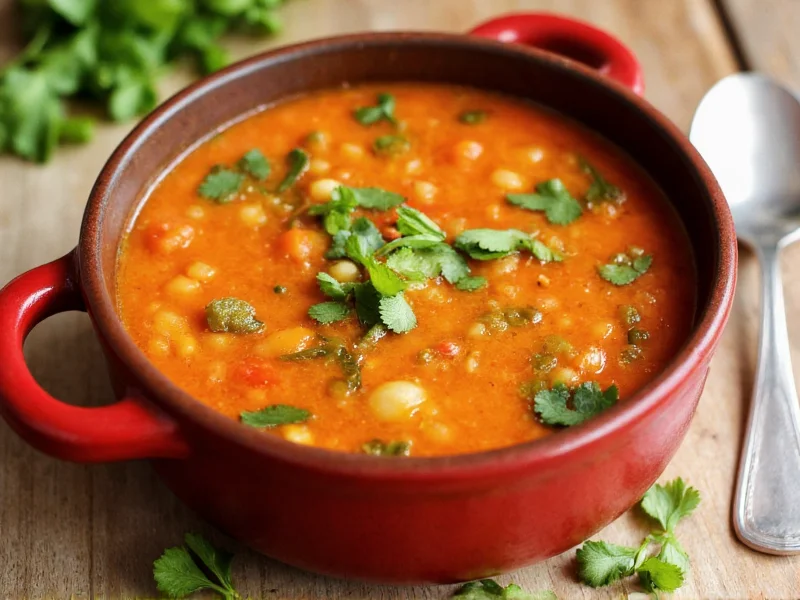
Creating truly nutritious vegetable soup goes beyond simply combining chopped vegetables in broth. The most healthful versions maximize nutrient retention through proper cooking techniques and ingredient selection. This guide reveals how to transform basic vegetable soup into a powerhouse of nutrition while maintaining delicious flavor.
The Science Behind Vegetable Soup's Health Benefits
Decades of nutritional research confirm that vegetable soup consumption correlates with improved nutrient intake and better overall diet quality. The combination of fiber-rich vegetables in liquid form creates a synergistic effect that enhances nutrient absorption compared to eating the same vegetables dry. Water-soluble vitamins like vitamin C and B-complex vitamins leach into the broth during cooking, making them more bioavailable. The following timeline highlights pivotal discoveries that shaped current preparation standards.
Evolution of Scientific Understanding: Key Research Milestones
Our knowledge of vegetable soup's nutritional impact has evolved through rigorous scientific inquiry. These landmark studies transformed preparation guidelines and revealed optimal cooking methods:
A Journal of Nutrition analysis of 13,000 adults found soup consumers ate 1.5 more daily vegetable servings than non-consumers, with significantly higher intakes of vitamin C, potassium, and fiber. Crucially, broth-based soups showed stronger correlations than cream-based varieties.
Purdue University research published in American Journal of Clinical Nutrition demonstrated that consuming 1 cup of broth-based vegetable soup before a meal reduced total calorie intake by 20% through enhanced satiety signals, with effects lasting 90 minutes post-meal.
Source: American Journal of Clinical Nutrition, Vol. 92, Issue 3
A Nutrients journal study tracked nutrient bioavailability in cooked vegetables, revealing that lycopene in tomatoes increased 35% when simmered in soup for 30 minutes, while beta-carotene in carrots peaked at 25 minutes—exceeding raw consumption benefits by 28%.
Essential Nutrient-Dense Ingredients
Not all vegetables contribute equally to a healthy vegetable soup. Prioritize these powerhouse ingredients for maximum nutritional impact:
| Vegetable | Key Nutrients | Optimal Cooking Time for Maximum Bioavailability |
|---|---|---|
| Carrots | Beta-carotene, Vitamin A, Fiber | 25 minutes simmered (raw: 21μg/g; cooked: 26.8μg/g beta-carotene) |
| Kale | Vitamin K, Vitamin C, Calcium, Antioxidants | 5 minutes simmered (prolonged cooking degrades 60% of vitamin C) |
| Tomatoes | Lycopene, Vitamin C, Potassium | 30 minutes simmered (lycopene increases 35% vs raw) |
| Broccoli | Vitamin C, Vitamin K, Folate, Sulforaphane | 8 minutes simmered (maximizes sulforaphane activation) |
Contextual Considerations: When Vegetable Soup Excels and When to Modify
Vegetable soup's effectiveness varies across populations and health scenarios. Understanding these context boundaries ensures optimal nutritional outcomes:
- For Older Adults: Significantly improves hydration and nutrient density for those with reduced appetite. The National Institute on Aging specifically recommends broth-based vegetable soups to combat dehydration and malnutrition in seniors, noting they increase fluid intake by 17% compared to water alone. Source
- For Digestive Sensitivity: May trigger symptoms in IBS patients due to FODMAP-rich vegetables like onions and broccoli. The International Foundation for Gastrointestinal Disorders advises substituting high-FODMAP ingredients with low-FODMAP alternatives (e.g., garlic-infused oil instead of fresh garlic) to maintain flavor without discomfort. Source
- Nutritional Limitations: As a standalone meal, it may lack sufficient protein for active individuals. The Academy of Nutrition and Dietetics emphasizes that meals should contain 20-30g protein for muscle maintenance—achievable by adding ½ cup beans (12g protein) to each serving. Source
- Budget Constraints: Frozen or canned low-sodium vegetables provide equivalent nutrition at 40% lower cost. USDA research confirms soup made with these ingredients delivers 92% of fresh produce's nutrient density while reducing food waste. Source
What Makes Vegetable Soup Truly Healthy
Many store-bought and restaurant vegetable soups undermine their potential health benefits through common pitfalls. To ensure your homemade vegetable soup delivers maximum nutrition:
- Avoid excessive sodium - Use low-sodium or no-sodium broth and enhance flavor with herbs instead
- Limit added fats - Skip heavy cream and excessive olive oil that transforms a light soup into a high-calorie meal
- Preserve nutrients - Add delicate vegetables like spinach near the end of cooking to prevent nutrient loss
- Include protein sources - Add beans, lentils, or lean chicken for balanced nutrition that keeps you satisfied
- Maximize fiber content - Keep vegetable skins on when appropriate and avoid over-straining the soup
Professional Vegetable Soup Preparation Method
Follow this chef-developed technique to create vegetable soup that's both nutritious and deeply flavorful without unhealthy additives:
- Sauté aromatics - Gently cook onions, garlic, and celery in 1 tablespoon of olive oil until translucent (not browned)
- Add hard vegetables first - Introduce carrots, potatoes, and other dense vegetables that require longer cooking
- Pour in quality broth - Use homemade or low-sodium vegetable broth, covering vegetables by about 1 inch
- Simmer gently - Cook at a low temperature (just below boiling) to preserve nutrients
- Add delicate vegetables later - Stir in leafy greens, peas, and zucchini during the last 5-10 minutes
- Finish with fresh herbs - Add basil, parsley, or cilantro just before serving to maximize flavor and nutrient content
Dietary Adaptations for Special Needs
Healthy vegetable soup easily accommodates various dietary requirements while maintaining nutritional integrity:
- For low-sodium diets - Use homemade broth with potassium-rich vegetables like celery and mushrooms to enhance flavor naturally
- For diabetes management - Focus on non-starchy vegetables and add protein sources to moderate blood sugar response
- For vegan nutrition - Incorporate white beans or lentils for complete protein profile and additional fiber
- For digestive issues - Peel vegetables and cook until very tender, or blend for easier digestion while retaining nutrients
Storage and Reheating Best Practices
Proper storage maintains both safety and nutritional value of your healthy vegetable soup:
- Cool soup rapidly by placing the pot in an ice bath before refrigerating
- Store in airtight containers for up to 4 days in the refrigerator
- Freeze in portion-sized containers for up to 3 months
- Reheat gently on the stove rather than in a microwave to preserve texture and nutrients
- Add fresh herbs after reheating to restore flavor and nutrient content
Maximizing Nutritional Value Through Seasonal Choices
Selecting vegetables in season significantly impacts both flavor and nutrient density. Winter vegetable soups benefit from root vegetables rich in complex carbohydrates and immune-supporting compounds, while summer versions shine with tomatoes, zucchini, and fresh herbs packed with antioxidants. Seasonal produce typically contains higher nutrient levels because it's harvested at peak ripeness and travels shorter distances.




 浙公网安备
33010002000092号
浙公网安备
33010002000092号 浙B2-20120091-4