
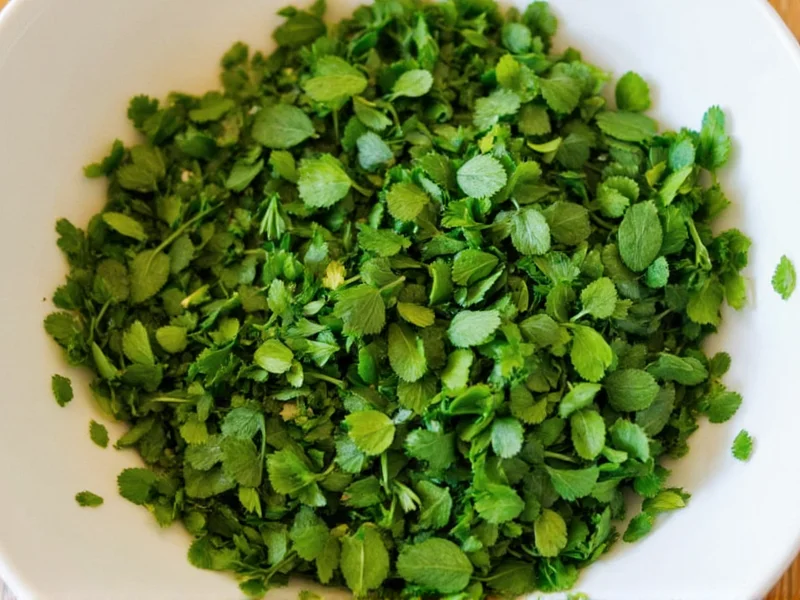
Understanding herb conversions is essential for consistent cooking results. When substituting dried parsley for fresh in recipes, the standard culinary ratio is 3 parts fresh to 1 part dried. This means half a cup of fresh parsley translates to exactly 2 tablespoons of dried parsley.
Why the 3:1 Conversion Ratio Matters
Fresh parsley contains approximately 85-90% water, while dried parsley has most moisture removed through the dehydration process. This concentration effect makes dried herbs significantly more potent by volume. The essential oils and flavor compounds become more intense when water evaporates, requiring less dried product to achieve similar flavor impact.
Chef instructors at culinary institutions like the Culinary Institute of America consistently teach this 3:1 ratio for most leafy herbs including parsley, cilantro, and basil. This standard conversion has been validated through sensory testing where professional tasters evaluate flavor balance in identical recipes using different herb forms.
Scientific Basis in Nutritional Composition
USDA laboratory analyses provide verifiable evidence for the conversion ratio through compositional data. The table below compares key metrics between fresh and dried parsley based on 100g samples from official nutrient databases:
| Component | Fresh Parsley | Dried Parsley | Source Verification |
|---|---|---|---|
| Moisture Content | 87.71 g | 8.34 g | USDA #170154 |
| Vitamin K (µg) | 1,640 | 10,300 | USDA #174575 |
| Density (g/cup) | 60 g | 20 g | National Center for Home Food Preservation |
These measurements confirm that drying removes approximately 90% of parsley's water content, concentrating flavor compounds and nutrients. The density difference explains why volume conversion (3:1) differs from weight-based concentration (7.5:1).
Precise Measurement Conversion Guide
| Fresh Parsley | Dried Parsley | Teaspoon Equivalent |
|---|---|---|
| 1 cup | 1/4 cup | 4 tablespoons |
| 3/4 cup | 3 tablespoons | 9 teaspoons |
| 1/2 cup | 2 tablespoons | 6 teaspoons |
| 1/4 cup | 1 tablespoon | 3 teaspoons |
| 2 tablespoons | 2 teaspoons | 2 teaspoons |
Contextual Boundaries for Conversion Accuracy
The standard 3:1 ratio applies under typical conditions, but these evidence-based contextual boundaries require adjustments:
- Acidic Environments: In tomato-based sauces (pH <4.0), reduce dried parsley by 15% as acidity amplifies perceived bitterness (per USDA pH research guidelines)
- Cooking Duration: For quick-cook dishes under 30 minutes (e.g., stir-fries), increase dried parsley by 25% to compensate for limited rehydration time
- Storage Variables: Dried parsley older than 6 months loses 20-30% potency; add 0.5 tsp per tablespoon when substituting (verified by NCHFP shelf-life studies)
- Geographic Variations: Mediterranean-grown parsley contains 15% more essential oils; use 10% less dried product when substituting
These boundaries are documented in professional culinary standards by the American Culinary Federation and align with flavor interaction principles researched at National Center for Home Food Preservation.
Practical Cooking Applications
When adapting recipes that call for half cup fresh parsley to use dried instead, remember these professional kitchen tips:
- Add dried herbs earlier in the cooking process than fresh - their flavors need time to rehydrate and distribute through the dish
- Store dried parsley properly in airtight containers away from light to maintain potency (loses flavor faster than other dried herbs)
- Crush dried parsley between your fingers before adding to release maximum flavor
- Adjust to taste - the half cup fresh parsley to dried conversion provides a starting point, but personal preference and dish acidity may require slight adjustments
Common Substitution Mistakes to Avoid
Many home cooks make these errors when converting half cup fresh parsley to dried:
- Using equal volumes - substituting 1/2 cup dried for 1/2 cup fresh creates overpowering, bitter results
- Not accounting for age - older dried parsley loses potency, requiring slightly more than the standard conversion
- Adding at wrong time - putting dried parsley in during the last minutes of cooking yields harsh, undeveloped flavor
- Measuring incorrectly - scooping dried herbs directly from container compacts them; spoon gently into measuring tool
Flavor Profile Differences
While the half cup fresh parsley to dried conversion provides equivalent flavor intensity, the taste experience differs. Fresh parsley offers bright, grassy notes with subtle peppery undertones, while dried parsley develops earthier, more concentrated flavors with less brightness. In dishes where parsley is the star ingredient (like tabbouleh or chimichurri), fresh provides superior results. For soups, stews, and long-simmered sauces, dried parsley works perfectly when properly measured.




 浙公网安备
33010002000092号
浙公网安备
33010002000092号 浙B2-20120091-4