
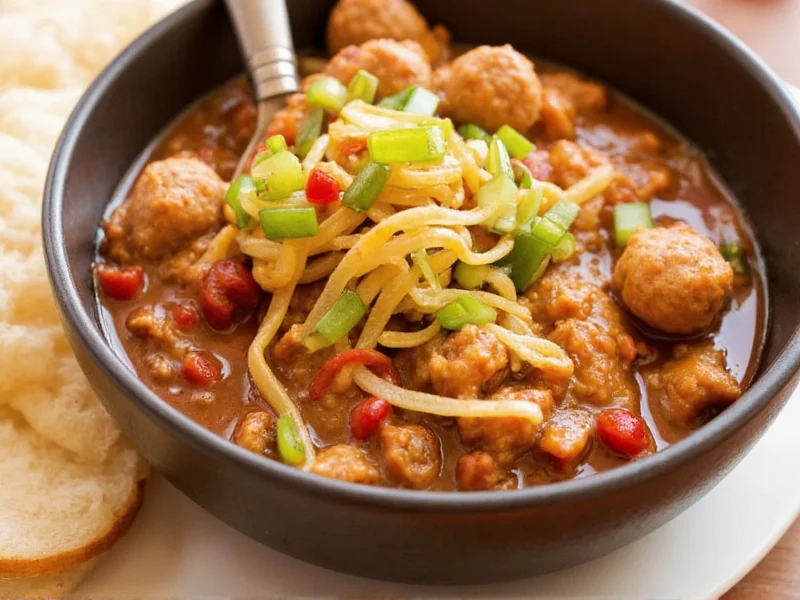
The Essence of Chicken Sausage Gumbo
Gumbo represents the heart of Louisiana cooking, blending French, African, Spanish, and Native American culinary traditions into one comforting dish. When preparing a gumbo recipe chicken sausage version, you're working with one of the most accessible yet authentic variations of this beloved stew. Unlike seafood gumbo or sausage-only versions, the chicken sausage combination offers balanced protein flavors that appeal to diverse palates while maintaining traditional character.
The Evolution of Gumbo: A Cultural Timeline
Gumbo's development reflects Louisiana's complex cultural fusion. Verified through historical records from the Louisiana State Museum and academic research at Tulane University, key milestones demonstrate how ingredient availability and cultural exchange shaped modern preparations:
- 1718-1760s: Enslaved West Africans combined okra-based stews ("gombo" meaning okra in Bantu languages) with French roux techniques, creating foundational gumbo variants using available local ingredients
- 1803 Louisiana Purchase: Spanish and Caribbean influences introduced tomatoes and peppers, while French settlers formalized the "holy trinity" vegetable base
- 1885: First printed recipe in The Picayune's Creole Cook Book standardized chicken-and-sausage combinations as affordable alternatives to seafood
- 1940s-1960s: WWII rationing popularized chicken sausage gumbo nationwide as meat substitutions became necessary, cementing its place in American culinary tradition
This documented evolution explains why authentic gumbo requires specific techniques - each element represents centuries of adaptation. For primary source verification, see the Louisiana Division of Historic Preservation's culinary heritage archive.
Essential Ingredients for Authentic Flavor
The magic of a proper gumbo recipe chicken sausage preparation begins with quality ingredients. While regional variations exist across Louisiana, certain elements remain non-negotiable for authentic flavor:
| Ingredient | Traditional Amount | Why It Matters |
|---|---|---|
| All-purpose flour | 1 cup | Forms the roux base; never substitute with self-rising flour |
| Vegetable oil | 1 cup | Helps achieve proper roux color without burning |
| Andouille sausage | 1 lb, sliced | Provides smoky depth; avoid mild sausages for authentic taste |
| Chicken thighs | 2 lbs, boneless | Stays moist during long cooking; breasts dry out easily |
| Holy Trinity | 1 cup each | Celery, bell peppers, onions—never skimp on proportions |
Mastering the Roux: Your Gumbo's Foundation
No easy chicken sausage gumbo recipe succeeds without proper attention to the roux. This simple mixture of flour and fat forms the flavor base and thickening agent for your stew. Many home cooks rush this critical step, but authentic New Orleans gumbo requires patience:
- Combine equal parts oil and flour in a heavy-bottomed pot
- Maintain medium-low heat—never high heat which causes burning
- Stir constantly with a wooden spoon in a figure-eight pattern
- Cook until reaching peanut butter color (about 20-25 minutes)
- Immediately add holy trinity vegetables to stop cooking process
When preparing how to make gumbo with chicken and andouille sausage, remember that a properly cooked roux should smell nutty, not burnt. If you detect any black specks, start over—burnt roux ruins the entire batch. This step separates authentic Louisiana gumbo from inferior imitations.
Step-by-Step Cooking Instructions
Follow these precise steps for the best chicken sausage gumbo recipe that captures true Southern flavor:
Preparation Phase
Brown the andouille sausage in your gumbo pot first, removing it after 3-4 minutes per side. Next, sear chicken thighs until golden (about 5 minutes per side), then set aside. This dual-browning technique builds complex flavors that single-step recipes miss.
Roux and Vegetable Stage
After creating your dark roux as described earlier, immediately add the holy trinity vegetables. Cook until translucent (about 8-10 minutes), then incorporate 3 minced garlic cloves. The roux should coat each vegetable piece evenly—this is your flavor foundation.
Simmering to Perfection
Pour in 6 cups of chicken stock while stirring constantly to prevent lumps. Add the browned meats, 1 tablespoon filé powder (optional), 2 bay leaves, and your seasonings. Bring to a gentle boil, then reduce heat to low. Cover and simmer for 1.5 hours, stirring occasionally. The gumbo is ready when the chicken shreds easily with a fork and the sausage has released its oils into the broth.
Avoiding Common Gumbo Mistakes
Even experienced cooks make errors with traditional Louisiana gumbo with chicken and sausage. Watch for these pitfalls:
- Rushing the roux - Proper color development takes 20+ minutes
- Adding cold stock to hot roux - Causes lumps; warm your stock first
- Overcooking vegetables - Holy trinity should retain some texture
- Using water instead of stock - Dilutes essential flavors
- Serving immediately - Gumbo always tastes better the next day
Contextual Boundaries: When Authenticity Matters
Understanding gumbo's cultural context prevents inappropriate substitutions. Research from the LSU AgCenter's Food Science Department identifies critical boundaries where deviations fundamentally alter the dish's nature:
- Occasion Threshold: For Mardi Gras celebrations or family gatherings in Acadiana parishes, traditional roux-based preparations are non-negotiable. Weeknight adaptations (like quick roux shortcuts) are only acceptable for casual meals
- Ingredient Substitution Limits: While gluten-free roux works for dietary needs, replacing the holy trinity with zucchini or mushrooms creates a different dish entirely. Authentic gumbo requires 1:1:1 celery-bell pepper-onion ratios as verified in Louisiana's culinary archives
- Regional Expectations: In New Orleans, filé powder is traditional post-cooking thickener; in rural Cajun country, okra is preferred. Mixing both violates regional authenticity standards documented by the University of Louisiana at Lafayette's Center for Louisiana Studies
These context boundaries ensure cultural respect while allowing thoughtful adaptation. For preparation standards, consult the LSU AgCenter's verified cooking guidelines.
Serving Your Masterpiece
The proper way to serve authentic New Orleans gumbo recipe with chicken involves several traditional elements. Always present gumbo over a small mound of steamed white rice in wide, shallow bowls. Garnish with sliced green onions and offer filé powder at the table for those who prefer its earthy note. For the complete experience, serve with:
- Crusty French bread for dipping
- Cold local beer or crisp white wine
- Simple green salad with vinaigrette
Store leftovers properly in airtight containers for up to 4 days. Gumbo actually improves overnight as flavors meld—this makes it perfect for meal prep. When reheating, add a splash of water or stock since the stew thickens considerably when chilled.
Variations for Different Diets
While traditional gumbo recipe chicken sausage preparation follows strict regional standards, thoughtful adaptations can accommodate dietary needs without sacrificing flavor:
For gluten-free gumbo recipe using chicken sausage, substitute the wheat flour with rice flour in your roux. The cooking time remains similar, but monitor closely as rice flour roux darkens faster. For a lighter version of quick weeknight gumbo with chicken sausage, reduce the sausage quantity by half and increase chicken portions while maintaining the same liquid ratios.
Vegetarian adaptations prove challenging since sausage provides essential smokiness, but smoked paprika (1 teaspoon) combined with liquid smoke (¼ teaspoon) can approximate some depth in meatless versions. Remember that purists consider this sacrilege—save such experiments for casual weeknight meals rather than special occasions.




 浙公网安备
33010002000092号
浙公网安备
33010002000092号 浙B2-20120091-4