
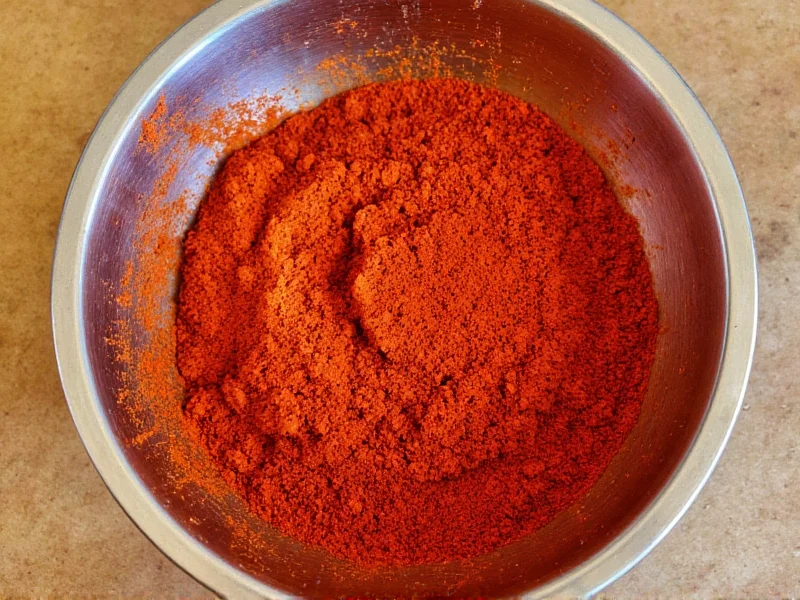
Understanding Achiote Paste and Its Essential Properties
Achiote paste, also known as recado rojo, is a traditional Latin American and Caribbean seasoning blend made primarily from ground annatto seeds combined with garlic, cumin, oregano, and other spices, then mixed with vinegar or citrus juice to form a thick paste. This vibrant orange-red ingredient serves two critical culinary functions: providing distinctive earthy, slightly peppery flavor and delivering that unmistakable reddish-orange color to dishes.
When seeking a substitute for achiote paste, you must address both elements—flavor profile and color contribution. Authentic achiote paste contains annatto seeds as its base, which are responsible for the color but contribute minimal flavor on their own. The supporting spices create the characteristic taste. Understanding this dual nature helps you select the most appropriate replacement based on your specific recipe needs.
Top Substitutes for Achiote Paste by Culinary Need
Not all substitutes work equally well for every application. The best alternative depends on whether your recipe primarily needs the color, the flavor, or both elements that achiote paste provides. Consider these options based on your specific cooking requirements:
| Substitute Type | Best For | Recipe Ratio | Limitations |
|---|---|---|---|
| Annatto oil | Color-focused dishes (cochinita pibil, rice) | 1 tbsp oil per 2 tbsp achiote paste | Lacks flavor complexity of full paste |
| Paprika-cumin blend | Flavor-focused dishes (stews, marinades) | 1 tsp paprika + 1/4 tsp cumin per tbsp paste | Less vibrant color than authentic |
| Turmeric-cumin combo | Color and earthiness (when paprika unavailable) | 1/2 tsp turmeric + 1/2 tsp cumin per tbsp paste | Distinct turmeric flavor alters profile |
| Achiote powder | Closest single-ingredient replacement | 1 tbsp powder + 1 tbsp oil per 2 tbsp paste | Still lacks complete spice profile |
Creating Effective Homemade Achiote Paste Alternatives
When you need a reliable substitute for achiote paste in recipes, these tested alternatives deliver the most authentic results. Each addresses different aspects of the original ingredient while remaining accessible with common pantry items.
For Color-Dominant Applications
When color matters most (like in traditional Yucatecan cochinita pibil or Venezuelan hallacas), annatto oil provides the signature hue without dramatically altering flavor. To make it: heat 1/4 cup neutral oil with 1 tablespoon annatto seeds over low heat for 5 minutes until vibrant orange, then strain. Use 1 tablespoon of this oil per 2 tablespoons of achiote paste called for in your recipe. This works particularly well as a substitute for achiote paste in rice dishes where color takes precedence over complex flavor.
For Flavor-Focused Substitutions
When your recipe relies on achiote paste's distinctive earthy, slightly peppery taste (common in Mexican moles or Puerto Rican adobo), combine 1 teaspoon sweet paprika, 1/4 teaspoon ground cumin, 1/8 teaspoon garlic powder, and a pinch of oregano. Mix with 1 tablespoon oil or water to create a paste-like consistency. This mixture serves as an excellent substitute for achiote paste in marinades where flavor complexity matters more than exact color replication.
Comprehensive Replacement Blend
For recipes requiring both color and flavor (like recado rojo for grilled meats), use this balanced approach: mix 1 tablespoon paprika, 1 teaspoon cumin, 1/2 teaspoon garlic powder, 1/4 teaspoon oregano, and a pinch of black pepper with 2 tablespoons oil or citrus juice. This homemade achiote paste replacement works well across most Latin American dishes when authentic paste isn't available.
Adjusting Recipes When Substituting Achiote Paste
Understanding how to modify your cooking technique ensures successful results when using achiote paste alternatives. Unlike the traditional paste which contains citrus components that help tenderize meat, most substitutes lack this element. When replacing achiote paste in meat marinades, consider adding 1 tablespoon lime or orange juice to your substitute mixture to maintain proper texture development.
For dishes where color is critical, remember that substitutes like paprika won't deliver quite the same vibrant orange-red hue as authentic achiote. The color will be more reddish-brown. If appearance matters significantly, increase the paprika quantity by 25% or add a tiny pinch of turmeric (be careful—too much creates an unnatural yellow tint).
When substituting achiote paste in traditional recipes like cochinita pibil or tamales, start with 75% of the recommended substitute amount, then adjust to taste. Many substitutes concentrate certain flavor elements, so it's better to build up gradually than to over-season initially.
Avoiding Common Substitution Mistakes
Cooks often make these errors when seeking alternatives to achiote paste. Understanding these pitfalls helps you create more authentic results:
- Using plain paprika alone - While paprika provides color, it lacks the earthy complexity from cumin and garlic present in authentic achiote paste. Always combine with complementary spices.
- Overusing turmeric - Though turmeric provides vibrant color, its distinct flavor dominates dishes. Use sparingly (no more than 1/4 tsp per recipe) when seeking a substitute for achiote paste without annatto.
- Ignoring the liquid component - Authentic achiote paste contains citrus or vinegar, which affects both flavor and texture. When making your own achiote paste replacement, include an acidic element.
- Substituting equal volumes - Most substitutes have more concentrated flavors than traditional achiote paste. Start with 3/4 the amount and adjust to taste.
When Authenticity Matters: Specialty Alternatives
For traditional dishes where achiote paste plays a starring role, consider these more specialized approaches. Achiote powder mixed with oil creates a closer approximation than standard substitutes, though it still lacks the complete spice profile. Look for "achiote powder" or "annatto powder" in Latin markets or online spice retailers.
For authentic recado rojo applications, some Latin American grocery stores sell pre-made recado mixes that contain the full spice blend without the paste consistency. Reconstitute these with oil or citrus juice according to package directions. This serves as the most accurate substitute for achiote paste in Yucatecan cuisine when the authentic product isn't available.




 浙公网安备
33010002000092号
浙公网安备
33010002000092号 浙B2-20120091-4