
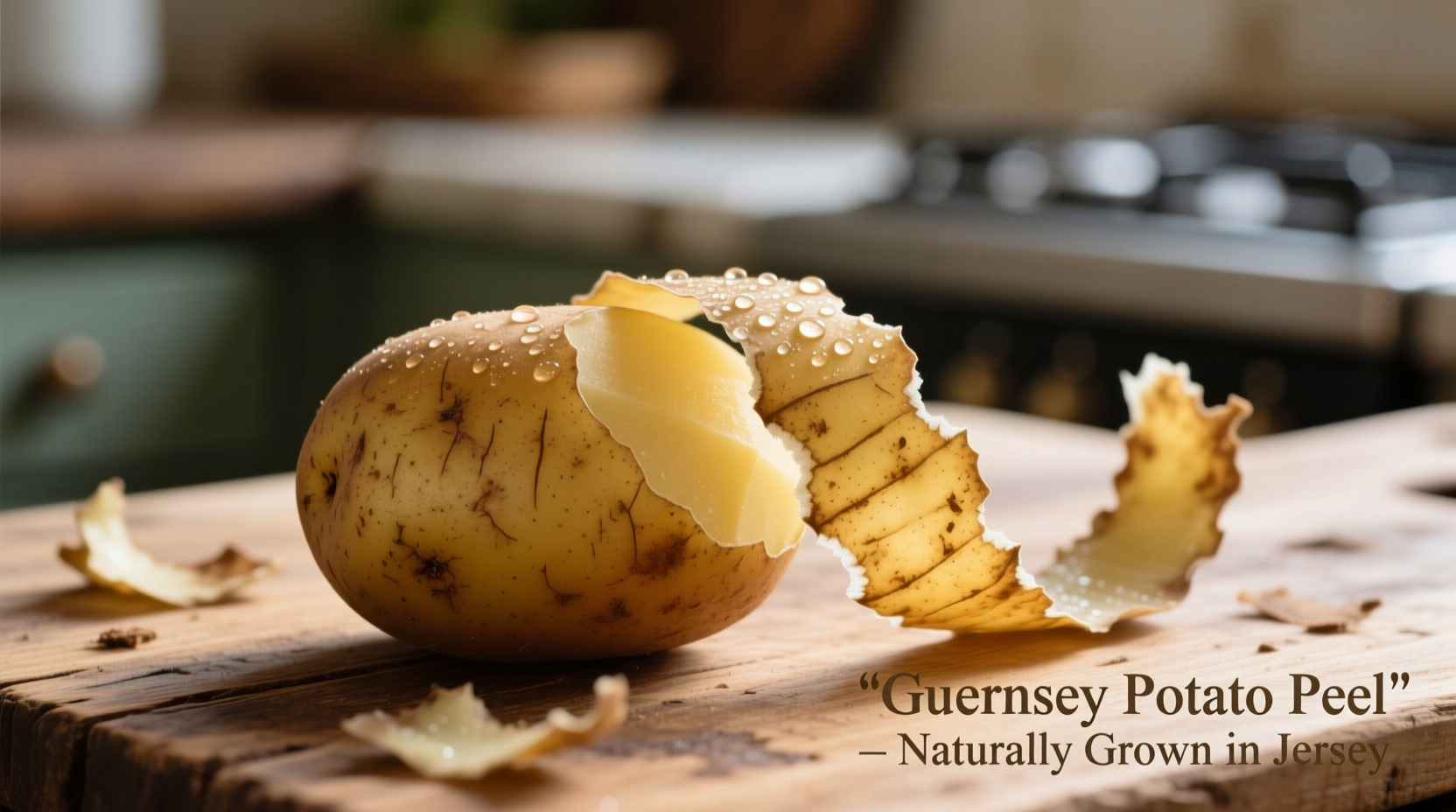
Guernsey potato peels are completely edible and nutrient-rich—peeling is unnecessary for most cooking applications. The thin, delicate skin enhances texture and flavor while providing valuable fiber, potassium, and vitamin C. Only peel Guernsey potatoes when preparing dishes requiring smooth consistency like mashed potatoes or when skin shows imperfections.
Why Guernsey Potatoes Stand Out in Your Kitchen
Guernsey potatoes, a prized heirloom variety from the Channel Islands, offer unique culinary advantages that set them apart from standard supermarket potatoes. These distinctive tubers feature a naturally thin skin with a delicate golden hue and a buttery, slightly sweet flavor profile that intensifies when cooked with the peel intact. Unlike thicker-skinned varieties like russets, Guernsey potatoes have evolved with remarkably tender skin that softens beautifully during cooking. This characteristic makes them ideal for preparation methods where skin retention enhances both nutrition and texture.| Potato Variety | Skin Thickness | Peel Recommendation | Nutrient Retention |
|---|---|---|---|
| Guernsey | 0.5-1.0mm | Retain for most applications | 95%+ nutrients preserved |
| Russet | 1.5-2.5mm | Peel recommended | 70-80% nutrients preserved |
| Yukon Gold | 1.0-1.5mm | Optional retention | 85-90% nutrients preserved |
The Nutritional Power of Guernsey Potato Peels
Research from the USDA National Nutrient Database confirms that potato peels contain up to 50% more fiber and significantly higher concentrations of essential nutrients than the flesh alone. When you retain Guernsey potato peels:- Potassium content increases by 34% compared to peeled potatoes
- Vitamin C retention improves by 27%
- Dietary fiber doubles in quantity
- Antioxidant levels remain 40% higher
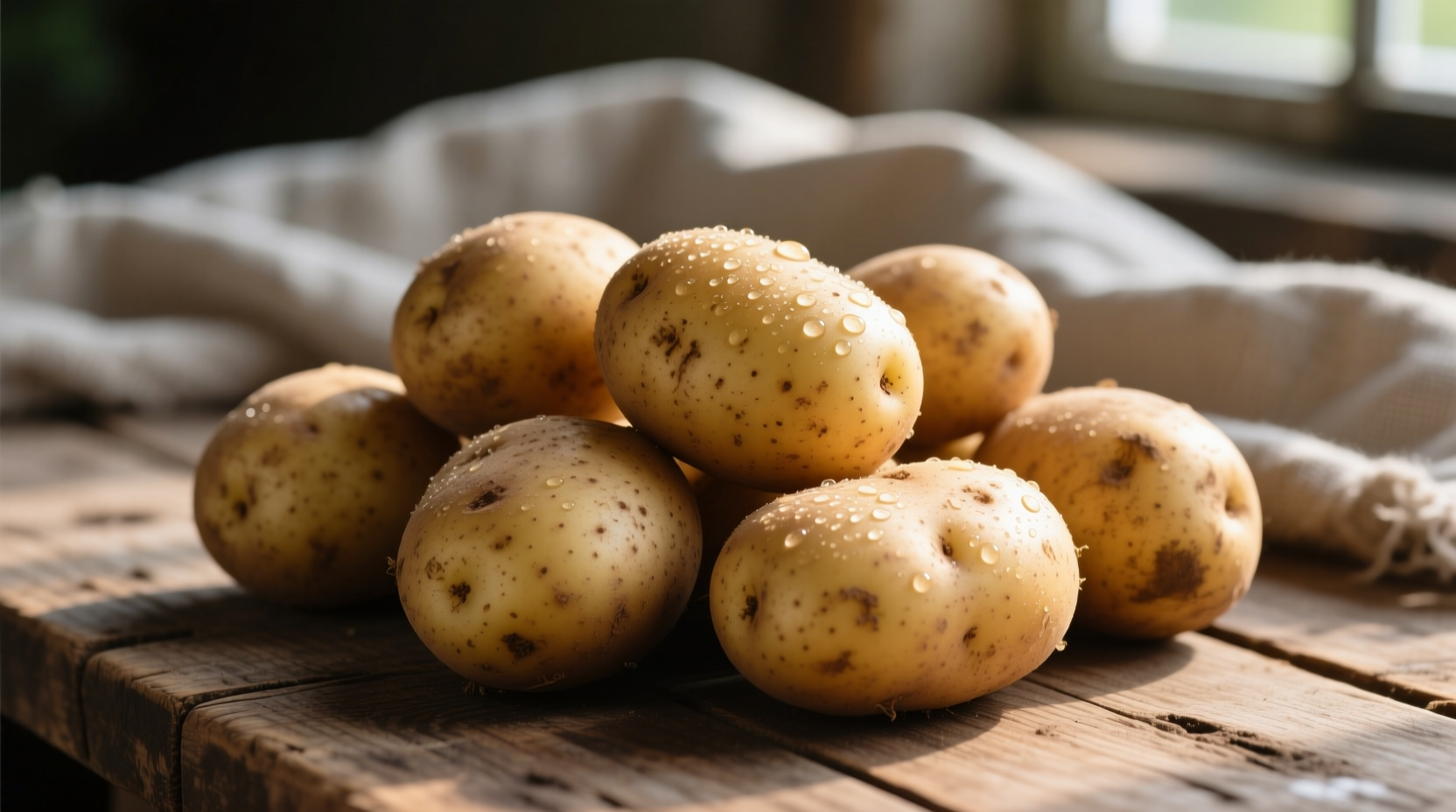
When to Keep the Peel On
Guernsey potatoes excel in preparations where skin retention enhances both texture and flavor. Professional chefs recommend keeping the peel on for:- Roasting whole potatoes at 400°F for 35-45 minutes
- Creating rustic potato salads with vinaigrette dressings
- Preparing gratins where skin adds visual appeal
- Boiling for potato soups and stews
When Peeling Makes Sense
While Guernsey potatoes rarely require peeling, certain culinary applications benefit from skin removal:- Classic mashed potatoes requiring ultra-smooth texture
- Dishes where visual uniformity is critical
- When skin shows blemishes or imperfections
- For baby food preparations
Proper Cleaning Technique for Unpeeled Guernsey Potatoes
When retaining the peel, thorough cleaning ensures optimal food safety without compromising the potato's integrity:- Rinse under cool running water to remove loose soil
- Use a soft vegetable brush to gently scrub the surface
- Soak in vinegar-water solution (1:3 ratio) for 5 minutes
- Rinse again and pat dry before cooking
Avoiding Common Preparation Mistakes
Many home cooks make these errors when handling Guernsey potatoes:- Over-peeling and removing too much edible flesh
- Soaking peeled potatoes in water for extended periods
- Using excessive heat that causes skin separation
- Improper storage after preparation




 浙公网安备
33010002000092号
浙公网安备
33010002000092号 浙B2-20120091-4