
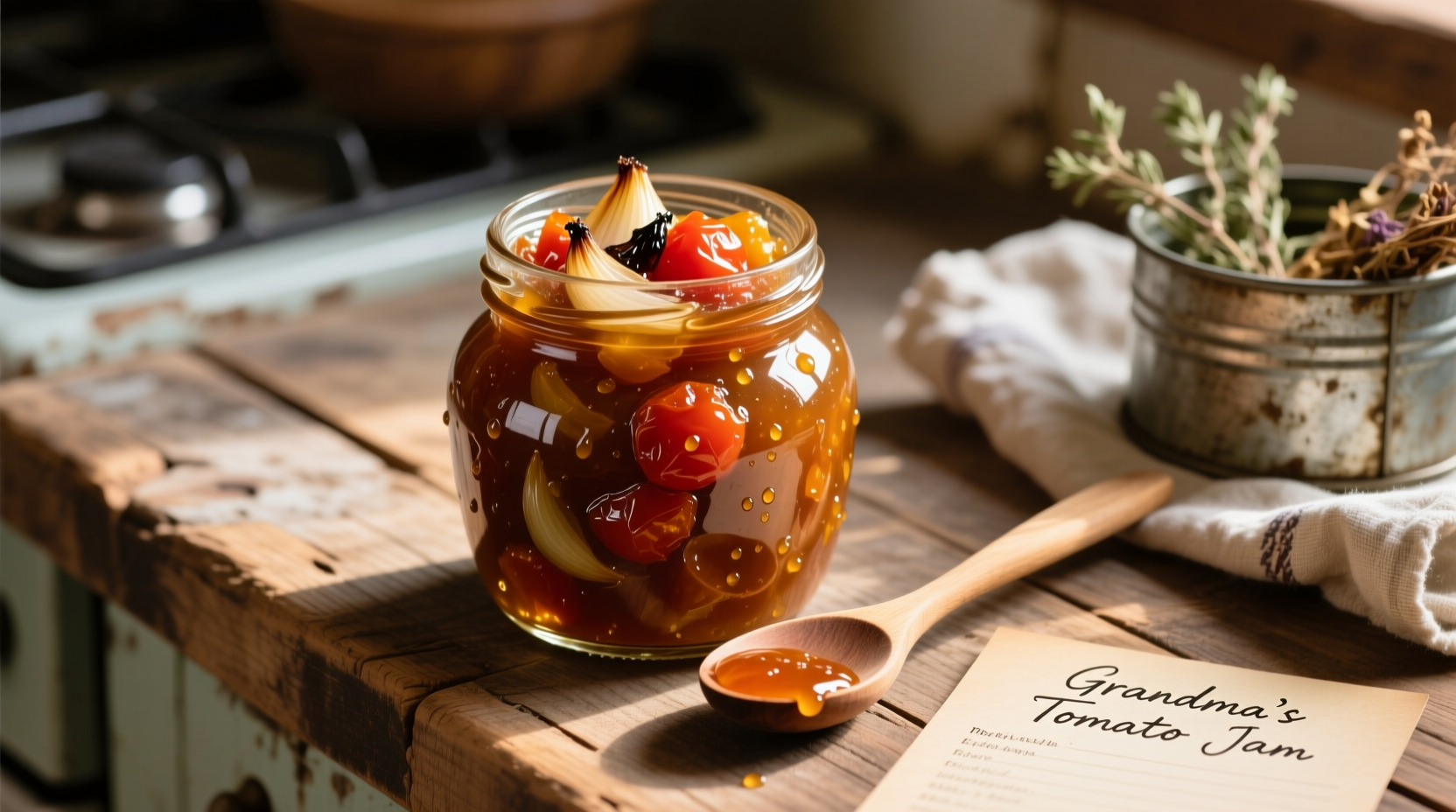
Homemade tomato jam transforms ripe tomatoes into a sweet-tangy spread perfect for cheese boards, sandwiches, and grilled meats. This recipe yields 4 cups of jam with a balanced flavor profile achieved through slow cooking with sugar, vinegar, and aromatic spices.
Have you ever wondered what to do with an abundance of garden tomatoes beyond sauces and salads? Tomato jam offers a sophisticated solution that elevates ordinary tomatoes into a versatile condiment worthy of gourmet kitchens. Unlike traditional preserves made from fruit, tomato jam balances the vegetable's natural acidity with sugar and spices, creating a complex flavor that works equally well with savory and sweet applications.
The Evolution of Tomato Jam Through Culinary History
Tomato jam represents an interesting evolution in preserve-making. While fruit preserves date back centuries, tomato preserves emerged later as tomatoes gained acceptance in European cuisine. Originally viewed with suspicion in the 18th century, tomatoes gradually became kitchen staples, with preserves appearing in American cookbooks by the late 19th century. The 2010s saw a resurgence of tomato jam in professional kitchens as chefs sought unique accompaniments for cheese plates and charcuterie. Modern food science has refined the process, optimizing sugar-to-acid ratios for both flavor and safe preservation.
Why This Recipe Works: The Science Behind Perfect Tomato Jam
Creating exceptional tomato jam requires understanding the interplay between ingredients. The natural pectin in tomatoes works with sugar and acid to create the ideal texture without additional thickeners. According to research from the National Center for Home Food Preservation, the optimal sugar-to-tomato ratio for preserves is ¾ cup sugar per pound of tomatoes, which prevents crystallization while ensuring proper setting.
| Preserve Type | Acid Level | Sugar Ratio | Best Applications |
|---|---|---|---|
| Tomato Jam | Medium-High | 3:4 (tomato:sugar) | Cheese boards, grilled meats, sandwiches |
| Strawberry Jam | Low | 1:1 | Toast, pastries, desserts |
| Orange Marmalade | High | 3:5 | Breakfast, baking, glazes |
Essential Ingredients for Authentic Tomato Jam
The magic of tomato jam comes from quality ingredients working in harmony. You'll need:
- Ripe tomatoes (4 pounds) - Roma varieties work best due to lower water content
- Granulated sugar (3 cups) - creates the proper preserving environment
- Apple cider vinegar (½ cup) - enhances flavor and ensures safe acidity
- Finely grated lemon zest (2 lemons) - adds brightness without excess liquid
- Fresh ginger (2 tablespoons, minced) - provides warm complexity
- Red pepper flakes (½ teaspoon) - subtle heat that complements tomatoes
- Salt (1 teaspoon) - balances sweetness and enhances flavors
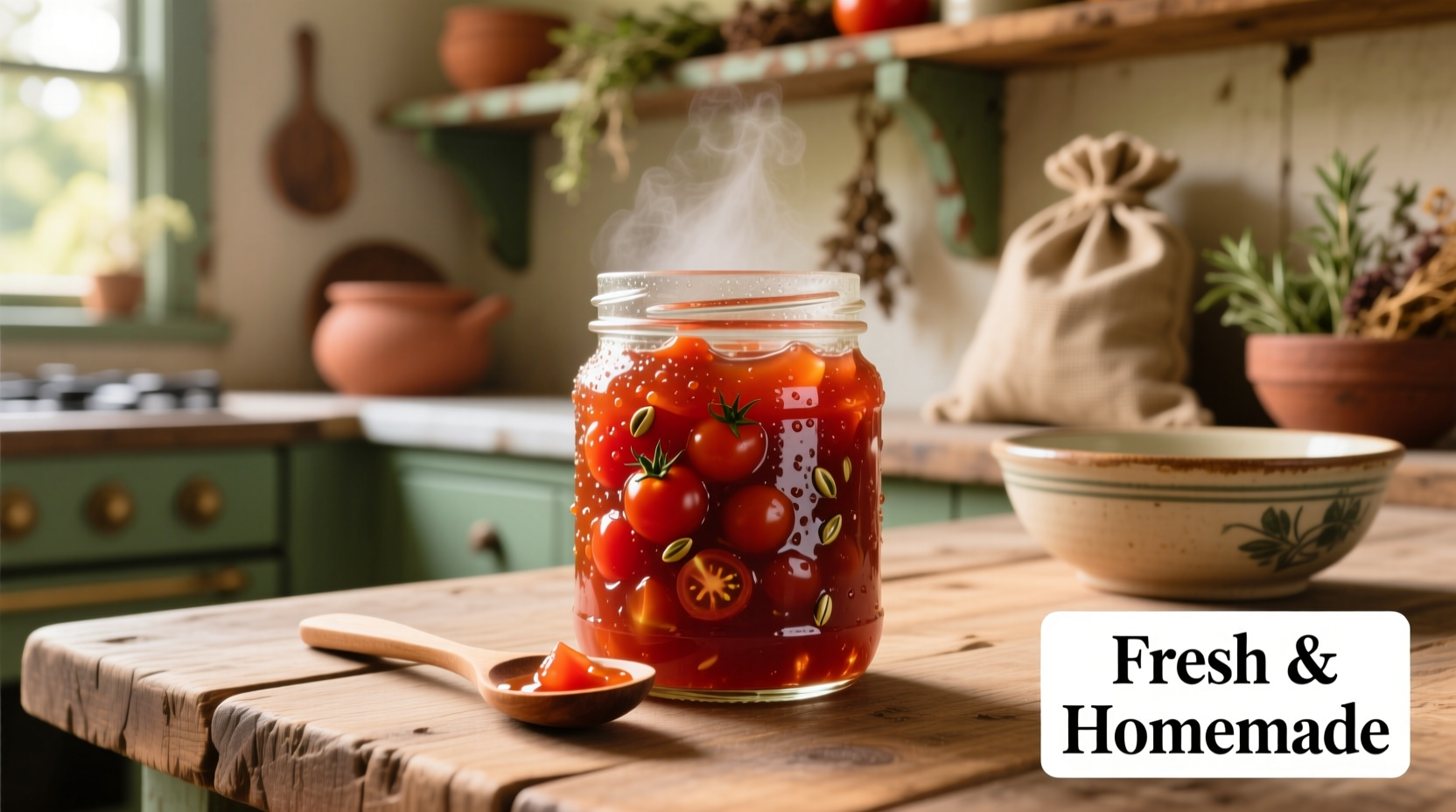
Step-by-Step Preparation Guide
Follow these professional techniques for perfect tomato jam every time:
Preparation Phase
- Score an "X" on the bottom of each tomato and blanch in boiling water for 30 seconds
- Transfer to ice water, then peel off skins (this creates a smoother texture)
- Remove cores and chop tomatoes into ½-inch pieces (measure after chopping)
- Combine all ingredients in a heavy-bottomed pot, stirring to dissolve sugar completely
Cooking Process
- Bring mixture to a gentle boil over medium heat, stirring frequently
- Reduce heat to maintain a steady simmer (small bubbles breaking surface)
- Skim foam regularly during the first 20 minutes of cooking
- Cook for 45-60 minutes until thickened to jam consistency (it should mound on a chilled spoon)
- Test for proper set by placing a small amount on a cold plate—if it wrinkles when pushed, it's ready
Avoid These Common Tomato Jam Mistakes
Even experienced cooks encounter pitfalls when making tomato jam. Understanding these context boundaries prevents disappointment:
- Using underripe tomatoes - They lack sufficient natural sugars and create an unpleasantly tart jam
- Skipping the skimming step - Foam contains impurities that affect texture and clarity
- Over-stirring during final thickening - Breaks down the jam structure, creating a runny consistency
- Incorrect storage methods - Properly processed jars last 18 months unopened, but refrigerate after opening
Creative Ways to Enjoy Your Homemade Tomato Jam
Move beyond toast with these professional chef-recommended applications:
- Spread thinly on crostini topped with goat cheese and fresh basil
- Use as a glaze for roasted chicken or pork during the last 15 minutes of cooking
- Mix with mayonnaise for a sophisticated sandwich spread
- Serve alongside grilled halloumi or feta cheese
- Stir a spoonful into vinaigrettes for salad dressing with depth
Storage Guidelines for Maximum Freshness
Proper storage ensures your tomato jam maintains quality and safety. According to USDA guidelines, properly canned tomato jam stored in a cool, dark place remains safe for 12-18 months. Once opened, refrigerate and consume within 3 weeks. For refrigerator-only storage (without canning), your jam will keep for 2-3 weeks. Freezing extends shelf life to 12 months—leave ½ inch headspace in containers to accommodate expansion.
Flavor Variations to Explore
Once you've mastered the basic recipe, experiment with these professional variations:
- Smoky Chipotle Version: Add 1-2 minced chipotle peppers in adobo sauce
- Herb-Infused: Stir in 2 tablespoons fresh thyme or rosemary during the last 10 minutes
- Fruit-Enhanced: Add 1 cup diced peaches or strawberries for complementary sweetness
- Spiced Chutney Style: Include 1 teaspoon mustard seeds and ½ teaspoon turmeric




 浙公网安备
33010002000092号
浙公网安备
33010002000092号 浙B2-20120091-4