
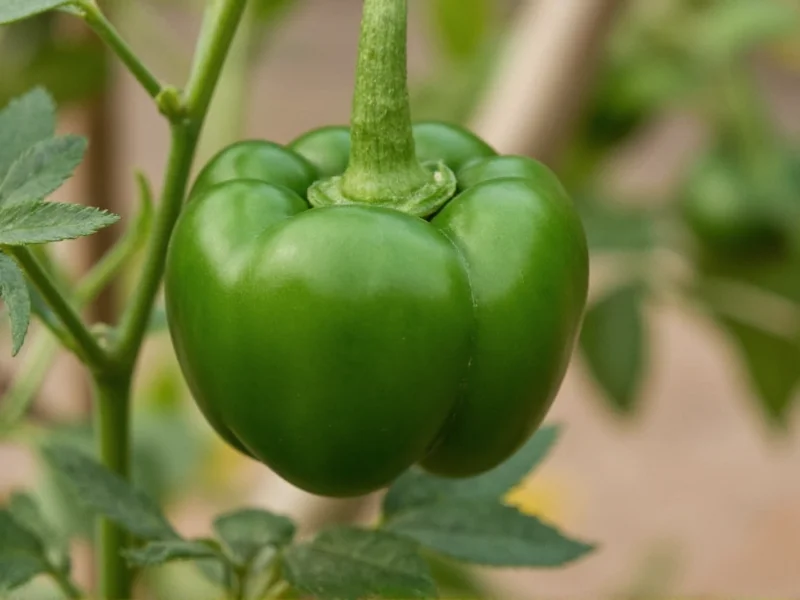
Understanding the Guerito Pepper: Mexico's Golden Chili
Native to central and northern Mexico, the guerito pepper (Capsicum annuum) has become increasingly popular among chili enthusiasts seeking authentic Mexican flavors. The name "guerito" translates to "little blond" in Spanish, perfectly describing its characteristic golden-yellow mature color. Unlike many specialty chilies that remain obscure outside their regions, guerito peppers have gained recognition in both traditional Mexican cooking and contemporary fusion cuisine.
Historical Evolution in Mexican Cuisine
The guerito pepper's journey through culinary history reflects Mexico's agricultural heritage. According to documentation from the Chapingo Autonomous University's agricultural archives, this variety evolved through distinct phases:
- Pre-1940s: Primarily cultivated in household gardens across Chihuahua and Sonora states, used almost exclusively in regional salsas and pickled preparations
- 1940-1980: Gained prominence in northern Mexican cuisine as refrigeration improved distribution, appearing in commercial salsas and canned goods
- 1980-2010: Spread to central Mexico through culinary migration, becoming staple in Mexico City's taquerías for "salsa verde amarilla"
- 2010-Present: Recognized by Slow Food Foundation's Ark of Taste (2018) for cultural preservation, driving global specialty market demand
This evolution demonstrates how regional varieties gain national significance through both cultural transmission and deliberate conservation efforts.
Physical Characteristics and Growth Patterns
Guerito peppers typically measure 2-4 inches in length with a slender, tapered shape resembling a smaller version of the serrano pepper. They begin their growth cycle as deep green pods before transitioning through light green to their signature bright yellow when fully ripe. Some varieties may even develop orange or red hues if left on the plant longer.
These peppers grow upright on compact plants that reach 18-24 inches in height, making them suitable for container gardening. The guerito pepper plant produces abundant yields throughout the growing season, with fruits maturing in approximately 70-80 days from transplanting. Gardeners appreciate their relatively disease-resistant nature and adaptability to various climate conditions.
Heat Level and Flavor Profile Analysis
Understanding the guerito pepper heat level is essential for proper culinary application. Ranking between 5,000-30,000 Scoville Heat Units (SHU), gueritos occupy the medium-heat category. This places them significantly milder than habaneros (100,000-350,000 SHU) but noticeably hotter than standard jalapeños (2,500-8,000 SHU).
| Pepper Variety | Scoville Heat Units | Heat Comparison |
|---|---|---|
| Guerito Pepper | 5,000-30,000 | Moderate heat with bright flavor |
| Jalapeño | 2,500-8,000 | Milder, earthier flavor |
| Serrano | 10,000-23,000 | Similar heat, sharper bite |
| Habanero | 100,000-350,000 | Significantly hotter, fruity notes |
The flavor profile distinguishes gueritos from other medium-heat chilies. They offer a clean, bright heat with subtle sweet notes and minimal bitterness. When fresh, they provide a crisp texture that holds up well to cooking methods like roasting or grilling. The thin walls make them excellent candidates for pickling, preserving their vibrant color and distinctive flavor.
Culinary Applications and Traditional Uses
Chefs value guerito peppers for their versatility in Mexican cuisine. In their native regions, they commonly appear in:
- Fresh salsas - Particularly pico de gallo and salsa verde variations
- Pickled preparations - Known as "chiles en vinagre" when preserved in vinegar with spices
- Stuffed peppers - Often filled with cheese or meat mixtures
- Roasted dishes - Incorporated into mole sauces and braised meat preparations
Unlike some specialty chilies that serve primarily as heat sources, guerito peppers contribute significant flavor dimension to dishes. Their moderate heat allows their bright, slightly sweet characteristics to shine through without overwhelming other ingredients. When substituting in recipes, consider using a combination of jalapeño and serrano peppers to approximate the guerito's unique heat profile.
Contextual Limitations: When Guerito Peppers Aren't Ideal
While versatile, guerito peppers have specific constraints documented by agricultural researchers at University of Nebraska-Lincoln Food Science Department:
- Texture-Sensitive Applications: Their thin walls (typically 1.2-1.8mm) make them unsuitable for dishes requiring structural integrity like stuffed peppers that undergo prolonged baking. Poblano peppers (3-5mm walls) perform better in such applications.
- Heat-Stable Requirements: Capsaicin degrades significantly above 175°F (79°C), making gueritos less effective in slow-cooked dishes exceeding 2 hours. For long braises, add them during the final 30 minutes to preserve heat profile.
- Acidic Environment Limitations: In pH levels below 4.0 (common in tomato-based sauces), gueritos lose 40-60% of their characteristic citrus notes within 24 hours. Reserve them for fresh salsas or add late in acidic preparations.
Recognizing these boundaries ensures optimal flavor impact in appropriate culinary contexts.
Guerito Pepper vs Similar Varieties
Many home cooks confuse guerito peppers with other yellow chilies. Understanding these distinctions helps achieve authentic results:
- Guerito vs Banana Pepper: While both turn yellow, banana peppers are significantly milder (0-500 SHU) with a sweeter, more bell pepper-like flavor. Gueritos deliver noticeable heat and more complex flavor.
- Guerito vs Yellow Wax Pepper: These are often the same variety, though regional growing conditions can create slight variations in heat and size.
- Guerito vs Serrano: Serranos run slightly hotter on average and have thicker walls. Gueritos offer a brighter, more citrusy note.
- Guerito vs Jalapeño: Jalapeños are shorter and thicker with a more earthy flavor profile. Gueritos provide cleaner heat with less vegetal notes.
Where to Find and How to Select Guerito Peppers
Finding authentic guerito peppers requires knowing where to look. Specialty Mexican markets remain the most reliable source, particularly during summer and early fall when they're in season. Look for:
- Firm, glossy peppers with vibrant yellow color (avoid dull or wrinkled specimens)
- Peppers measuring 2-4 inches long with consistent tapering
- Stems that appear freshly cut without browning
- Peppers stored at room temperature (refrigeration can degrade texture)
Growing your own guerito peppers ensures authenticity and freshness. Start seeds indoors 8-10 weeks before your last frost date, then transplant outdoors when soil temperatures exceed 65°F (18°C). These plants thrive in full sun with well-draining soil and regular watering. Harvest when peppers turn bright yellow for optimal flavor and heat balance.
Storage and Preparation Techniques
Proper handling preserves the guerito pepper's distinctive qualities. For short-term storage (1-2 weeks), keep unwashed peppers in a paper bag in the refrigerator's crisper drawer. For longer preservation:
- Pickling: Combine with vinegar, garlic, and oregano for classic Mexican-style preserved chilies
- Freezing: Roast first, then freeze in airtight containers for up to 6 months
- Drying: String and air-dry for use in stews or rehydrated for sauces
When preparing guerito peppers, wear gloves to protect sensitive skin from capsaicin oils. Remove seeds and membranes to reduce heat intensity while maintaining flavor. Their thin walls mean they cook faster than thicker-walled varieties like jalapeños, so monitor cooking times carefully.
Exploring Guerito Pepper Recipes
Authentic guerito pepper recipes showcase their unique qualities. Traditional preparations include:
- Chiles en Nogada variation: Substitute gueritos for poblano peppers in this iconic Mexican dish for a brighter flavor profile
- Escabeche: Create a vinegar-based pickled pepper mixture with carrots and onions
- Salsa de Chile Guero: Blend roasted gueritos with tomatillos, cilantro, and lime for a versatile table salsa
- Guero Pepper Jelly: Combine with fruit flavors like mango or pineapple for a sweet-spicy condiment
Chefs experimenting with guerito peppers often discover they work exceptionally well in seafood dishes, where their bright heat complements delicate flavors without overwhelming them. The peppers' natural acidity also makes them excellent candidates for ceviche preparations.




 浙公网安备
33010002000092号
浙公网安备
33010002000092号 浙B2-20120091-4