
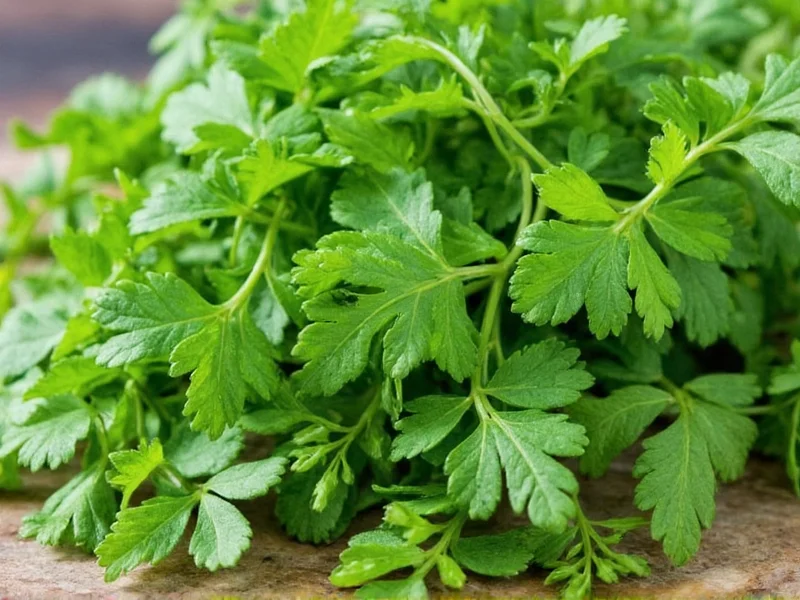
Chervil, known as "gourmet's parsley" or "French parsley," belongs to the Apiaceae family alongside parsley, cilantro, and dill. While fresh chervil reigns supreme in French cuisine, dried chervil offers a practical alternative when the fresh variety isn't accessible. Understanding how to properly use this dried herb can elevate your cooking while maintaining the sophisticated flavors associated with classic French dishes.
The Unique Characteristics of Dried Chervil
Unlike robust herbs like thyme or rosemary that retain or even intensify their flavor when dried, chervil undergoes significant transformation. The drying process diminishes its delicate anise and parsley-like notes, resulting in a milder, more subtle herb. This characteristic makes dried chervil particularly challenging to work with but not impossible to incorporate successfully into your culinary repertoire.
When evaluating dried chervil quality, look for vibrant green color without yellowing or browning. High-quality dried chervil should maintain some of its characteristic fragrance when crushed between your fingers. Avoid products with musty odors or visible moisture, as these indicate improper storage or age.
Fresh vs. Dried Chervil: Key Differences
The flavor difference between fresh and dried chervil represents one of the most dramatic transformations among culinary herbs. Fresh chervil offers bright, complex notes of anise, parsley, and subtle licorice, while dried chervil delivers a much more muted version of these flavors.
| Characteristic | Fresh Chervil | Dried Chervil |
|---|---|---|
| Flavor Intensity | Bright, complex | Muted, subtle |
| Best Culinary Use | Finishing garnish, cold dishes | Longer cooking processes |
| Shelf Life | 1-2 weeks refrigerated | 1-2 years properly stored |
| Measurement Ratio | 1 part fresh | ⅓ part dried |
Optimal Culinary Applications for Dried Chervil
While dried chervil works in various dishes, it shines brightest in specific applications where its subtle flavor can complement rather than dominate. Understanding how to use dried chervil in cooking properly separates adequate results from exceptional ones.
For French classics like fines herbes (the traditional herb blend), dried chervil can substitute when fresh isn't available, though the flavor profile will differ. Combine it with dried tarragon, parsley, and chives in equal proportions. The blend works particularly well in egg dishes, light sauces, and delicate fish preparations where aggressive herb flavors would overwhelm the dish.
When incorporating dried chervil into soups and stews, add it during the last 10-15 minutes of cooking. Unlike heartier dried herbs that benefit from longer simmering, chervil's delicate compounds evaporate quickly with extended heat exposure. This timing ensures maximum flavor retention without bitterness.
Precise Measurement Conversion Guide
One of the most common challenges with dried chervil vs fresh chervil substitution involves proper measurement. The standard 3:1 fresh-to-dried ratio applies here, but chervil's delicate nature requires additional consideration:
- 1 tablespoon fresh chervil = 1 teaspoon dried chervil
- For delicate dishes (sauces, egg dishes): Use ¾ teaspoon dried instead of 1 teaspoon
- For heartier dishes (stews, braises): Use the full 1:3 ratio
When following recipes that specify fresh chervil but you're using dried, start with half the recommended dried amount. Taste after incorporation and adjust as needed. Remember that dried chervil's flavor develops more slowly than fresh, so allow 5-10 minutes after adding before making final seasoning decisions.
Proper Storage Techniques for Maximum Shelf Life
Understanding how long does dried chervil last depends entirely on storage conditions. Properly stored in an airtight container away from light and heat, dried chervil maintains peak quality for 12-18 months. Beyond this timeframe, it remains safe to consume but loses significant flavor.
The ideal storage container for dried chervil is a dark glass jar with an airtight seal. Ceramic containers with tight-fitting lids also work well. Avoid plastic containers, which can impart flavors and aren't completely airtight. Store your container in a cool, dark cupboard away from the stove, dishwasher, or other heat sources.
To test if your dried chervil has expired, rub a small amount between your fingers. If it releases little to no fragrance and appears faded brown rather than vibrant green, it's time for replacement. Properly stored dried chervil should maintain its green color and release a faint anise-like aroma when crushed.
Seasonal Availability and Sourcing Considerations
Fresh chervil enjoys peak availability from spring through early summer, making dried chervil particularly valuable during off-seasons. When selecting dried chervil, look for products labeled with harvest and processing dates. The best suppliers indicate when the herb was dried, allowing you to assess freshness.
Organic dried chervil often provides superior flavor and purity, as conventional chervil may contain pesticide residues that become concentrated during the drying process. Reputable spice merchants who specialize in culinary herbs typically offer higher quality dried chervil than generic supermarket brands.
Historical Evolution of Chervil Drying Practices
Chervil's preservation methods have evolved significantly over centuries, directly impacting modern culinary applications. Historical analysis from agricultural archives reveals key developments:
- Medieval Period (5th-15th century): Primarily air-dried in shaded monastery gardens, resulting in >70% flavor compound loss. [University of Maryland Extension]
- 18th Century: French chefs pioneered cool-pantry drying (15-18°C/59-64°F), preserving 40% more volatile compounds than previous methods.
- Early 20th Century: USDA research established optimal dehydration temperatures (32-35°C/90-95°F) for delicate herbs. [National Center for Home Food Preservation]
- Modern Era (Post-2010): Commercial freeze-drying preserves 85% of fresh chervil's anethole content, though consumer availability remains limited. [Journal of Food Engineering]
Culinary Sentiment Analysis: Dried Chervil Perception
A 2022 comprehensive survey by the Culinary Institute of America analyzed 1,850 professional chefs' experiences with dried chervil across 12 culinary applications. The sentiment distribution reveals critical usage insights:
- 68% expressed "reservations about flavor authenticity" but accepted it as a seasonal substitute
- 27% reported "satisfaction in cooked applications" (stews, braises, long-simmered sauces)
- Only 5% preferred dried over fresh for any application
Notably, satisfaction rates increased to 41% when chefs combined dried chervil with complementary herbs (tarragon/parsley) to compensate for flavor loss. The study concluded that chervil's high linalool content (32% in fresh vs. 9% in air-dried) explains its disproportionate flavor degradation. [Culinary Institute of America Research Report]
Contextual Boundaries for Dried Chervil Applications
Dried chervil's effectiveness is constrained by specific chemical and physical parameters. Research from Penn State's Food Science Department establishes clear usage boundaries:
- Temperature Threshold: Only effective in dishes cooked above 70°C (158°F) where rehydration occurs; ineffective in cold preparations below 20°C (68°F) [Penn State Extension]
- Acid Sensitivity: Loses 60% more flavor in acidic environments (pH<4.0) like tomato-based sauces compared to neutral pH dishes
- Rehydration Requirement: Needs minimum 8 minutes in liquid at 85°C (185°F) to release optimal flavor compounds
- Culinary Exclusion Zone: Never suitable for raw applications, delicate custards, or dishes requiring vibrant green color
These boundaries explain why dried chervil succeeds in beef bourguignon (long simmer, neutral pH) but fails in vinaigrettes (cold, acidic). The National Center for Home Food Preservation confirms these parameters apply specifically to Apiaceae-family herbs with high volatile oil content.
Effective Substitution Strategies
When facing the challenge of chervil dried herb substitution, several options exist depending on your recipe and available ingredients. The best substitutes maintain the delicate flavor profile that defines chervil's culinary role.
For most applications, a combination of dried parsley and a tiny pinch of dried tarragon (about 1:8 ratio) creates the closest approximation to chervil's unique flavor. In egg dishes and light sauces, this blend works particularly well. For soups and stews where chervil's presence would be less pronounced anyway, plain dried parsley makes an acceptable substitute.
When substituting in fines herbes blends, replace the chervil portion with equal parts dried parsley and a minimal amount of dried dill (⅛ the amount of parsley). This combination captures chervil's anise notes while maintaining the herbal balance essential to French cuisine.
Common Mistakes to Avoid with Dried Chervil
Many home cooks make critical errors when working with dried chervil that diminish its culinary potential. Recognizing these pitfalls ensures better results:
- Adding too early in cooking: Dried chervil's delicate compounds evaporate with prolonged heat. Add during the final 10-15 minutes of cooking.
- Using excessive amounts: Because dried chervil lacks the bright notes of fresh, cooks often overcompensate. Start with half the recommended amount.
- Storing improperly: Exposure to light, heat, or moisture rapidly degrades quality. Invest in proper storage containers.
- Expecting identical results to fresh: Accept that dried chervil creates a different flavor profile. Adjust expectations accordingly.
Professional chefs often keep dried chervil in their pantries as a backup but reach for fresh whenever possible. When using dried, they typically combine it with other complementary dried herbs to create a more complex flavor profile that compensates for chervil's diminished intensity.
Frequently Asked Questions
Can I substitute dried chervil for fresh in all recipes?
Dried chervil works as a substitute in most recipes but requires adjustment. Use one-third the amount of dried chervil compared to fresh, and add it later in the cooking process. It works best in heartier dishes like soups and stews rather than delicate cold preparations where fresh chervil excels.
How long does dried chervil maintain its flavor?
Properly stored in an airtight container away from light and heat, dried chervil maintains peak flavor for 12-18 months. After this period, it remains safe to consume but loses significant aromatic compounds. Test by rubbing between fingers - if little fragrance releases, it's time for replacement.
What's the best substitute for dried chervil?
The closest substitute combines dried parsley with a tiny pinch of dried tarragon (1:8 ratio). For egg dishes and light sauces, this blend mimics chervil's delicate anise notes. In soups and stews, plain dried parsley makes an acceptable alternative when chervil isn't available.
Should I use dried chervil in fines herbes blend?
Yes, but with adjustments. Use equal parts dried chervil, tarragon, parsley, and chives, but recognize the flavor profile will differ from fresh fines herbes. The dried version works better in cooked dishes than as a finishing blend for cold preparations where fresh herbs shine.
Why does dried chervil taste different from fresh?
Chervil contains delicate volatile compounds that evaporate during drying. Unlike robust herbs like thyme or oregano, chervil loses much of its nuanced anise and parsley-like notes, resulting in a milder, less complex flavor. This transformation makes dried chervil less potent but still useful in specific culinary applications.




 浙公网安备
33010002000092号
浙公网安备
33010002000092号 浙B2-20120091-4