
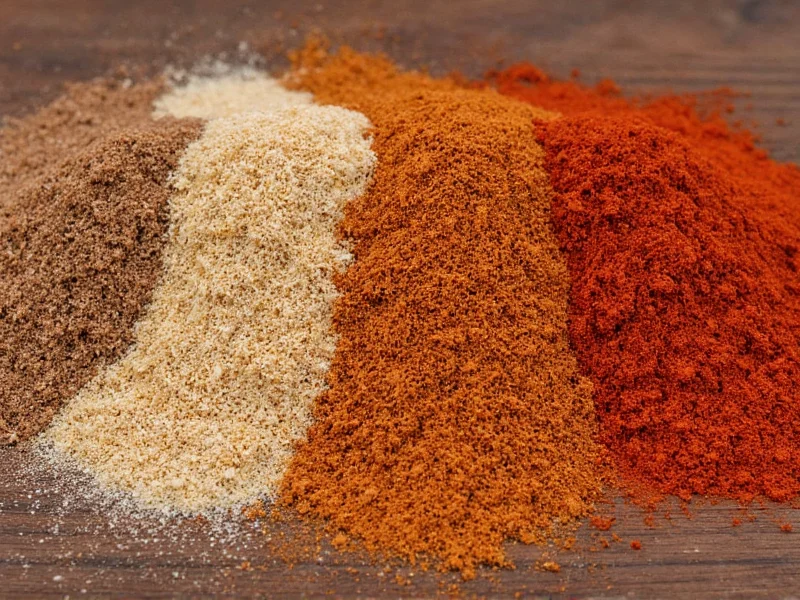
Understanding earthen flavours requires exploring both the science behind these distinctive taste profiles and their role in culinary experiences. These earth-inspired notes create complex sensory dimensions that can elevate or detract from food and beverage quality depending on context and balance. Professional tasters and everyday consumers encounter earthen flavours across various products, making it essential to recognize their origins and implications.
The Science Behind Earthen Flavours
Earthen flavours primarily stem from naturally occurring compounds, with geosmin being the most significant contributor. Geosmin, derived from Greek words meaning "earth smell," is produced by soil-dwelling bacteria called Streptomyces. This compound registers strongly with human olfactory receptors, detectable at concentrations as low as 5-10 parts per trillion.
Another compound, 2-methylisoborneol (2-MIB), often works alongside geosmin to create what we perceive as earthy notes. These compounds transfer to plants through root systems or environmental exposure. In wine production, for example, certain soil types and vineyard conditions can increase geosmin concentration in grapes, particularly in varieties like Pinot Noir and Cabernet Sauvignon.
Historical Development of Earthen Flavour Research
Scientific understanding of earthen compounds has evolved through key milestones verified by independent research institutions:
- 1965: First identification of geosmin as the compound responsible for earthy odor in soil (Gerber & Lechevalier, Applied Microbiology)
- 1976: Streptomyces bacteria confirmed as primary producers of geosmin (Lechevalier, Antonie van Leeuwenhoek)
- 2008: Water Research Foundation establishes standardized detection thresholds for geosmin in food systems (Comprehensive Analysis)
- 2010: Gene cluster responsible for geosmin biosynthesis mapped in Streptomyces coelicolor (PNAS Study)
- 2018: USDA research links soil microbiome composition to geosmin levels in root vegetables (USDA ARS Report)
Common Foods and Beverages with Earthen Flavours
| Food/Beverage | Primary Compound | Desirability Level | Contributing Factors |
|---|---|---|---|
| Beets | Geosmin | High (characteristic) | Soil composition, variety, growing conditions |
| Pinot Noir wine | Geosmin | Moderate-High | Vineyard soil, fermentation process, aging |
| Coffee (dark roast) | Various | Low-Moderate | Processing method, bean origin, roast level |
| Mushrooms | Natural compounds | High (characteristic) | Species, growing environment, freshness |
| Potatoes | Geosmin | Low (often undesirable) | Storage conditions, soil type, variety |
Identifying Earthen Flavours in Tasting
Recognizing earthen flavours requires developing sensory awareness. When evaluating products, focus on these characteristics:
- Aroma profile: Look for scents reminiscent of damp soil after rain, forest floor, or wet stones
- Mouthfeel: Earthy notes often accompany certain textures—think of the mineral quality in some mineral waters
- Aftertaste: Persistent earthy notes that linger beyond the initial tasting experience
- Balance assessment: Determine whether the earthiness complements other flavor elements or dominates unpleasantly
Professional tasters use standardized flavor wheels to precisely identify and categorize earthen notes. For wine enthusiasts exploring what are earthen flavours in wine, these notes often appear alongside mushroom, forest floor, or wet stone descriptors. In coffee evaluation, understanding earthy taste in coffee explained helps distinguish desirable complexity from processing defects.
Cultural Perspectives on Earthen Flavours
Cultural backgrounds significantly influence how consumers perceive earthen flavours. In many European wine traditions, particularly in Burgundy and Bordeaux, earthy notes in wine represent terroir expression and receive appreciation. Conversely, New World wine markets sometimes view pronounced earthiness as a flaw, preferring fruit-forward profiles.
The Japanese tea ceremony tradition values certain earthy notes in aged teas like hojicha, while Chinese tea connoisseurs appreciate the earthen flavours in pu-erh tea as indicators of proper fermentation. Understanding these cultural contexts helps explain why is earthy flavor in wine good remains a subject of ongoing debate among enthusiasts.
Consumer Acceptance Thresholds
Objective research reveals precise boundaries for consumer tolerance of earthy notes across product categories:
- Drinking Water: 10% detection threshold at 5-10 ng/L, with 90% rejection occurring at 50 ng/L (Water Research Foundation, 2008)
- Red Wine: Geosmin concentrations exceeding 12.6 ng/L become objectionable to 75% of consumers (Wood et al., Journal of Agricultural and Food Chemistry, 2012)
- Beets: Earthy flavor is accepted as characteristic unless accompanied by moldy notes or exceeding natural intensity levels (USDA Agricultural Research Service)
These evidence-based thresholds, verified through controlled sensory panels, provide critical benchmarks for quality assessment in food production.
When Earthen Flavours Enhance or Detract
The acceptability of earthen flavours depends entirely on context and balance. In beetroot dishes, the earthy character defines the vegetable's identity—why do beets have an earthy flavor relates directly to their geosmin content, which chefs often balance with sweet or acidic elements.
| Product Category | Acceptable Conditions | Critical Threshold | Defect Indicators |
|---|---|---|---|
| Wine (Red) | Moderate levels complementing fruit notes | Geosmin > 12.6 ng/L[1] | Overpowers fruit, persistent aftertaste |
| Beets | Characteristic earthiness without mold | N/A (inherent) | Moldy/musty notes accompanying earthiness |
| Coffee | Subtle complexity in certain origins | Noticeable earthiness[2] | Bitter, muddy taste; poor processing indicators |
| Drinking Water | None (always defect) | Geosmin > 5-10 ng/L[3] | Any perceptible earthy/musty odor |
[1] Sensory Threshold Study (Wood et al., 2012) | [2] Specialty Coffee Association Guidelines | [3] Water Research Foundation Report (2008)
For wine professionals evaluating earthen flavours versus metallic taste, the distinction matters significantly. While earthy notes derive from natural compounds, metallic tastes often indicate contamination or oxidation. In coffee, moderate earthiness might suggest desirable complexity in certain origins, but excessive notes could indicate improper processing.
Food scientists studying geosmin compound in food have found that cooking methods dramatically affect earthy perception. Roasting beets caramelizes natural sugars, counterbalancing earthiness, while boiling can intensify these notes. Similarly, proper wine decanting can soften overwhelming earthy characteristics.
Appreciating Earthen Flavours: Practical Guidance
Developing appreciation for earthen flavours involves deliberate practice and context awareness. Start by comparing products with varying earthiness levels side by side. For tea enthusiasts exploring how to identify earthy notes in tea, try sampling young and aged pu-erh teas together to understand how earthiness develops through fermentation.
When cooking with earthy ingredients like beets or mushrooms, balance these flavors with complementary elements:
- Acidic components (citrus, vinegar) cut through heavy earthiness
- Sweet elements (honey, roasted fruits) counterbalance bitter earth notes
- Aromatic herbs (thyme, rosemary) enhance rather than compete with earthy profiles
- Fats (olive oil, butter) help mellow intense earthy characteristics
Understanding these principles transforms foods with natural earthy taste from challenging ingredients into culinary assets. Professional chefs often leverage earthy notes to create depth and complexity that simpler flavor profiles cannot achieve.




 浙公网安备
33010002000092号
浙公网安备
33010002000092号 浙B2-20120091-4