
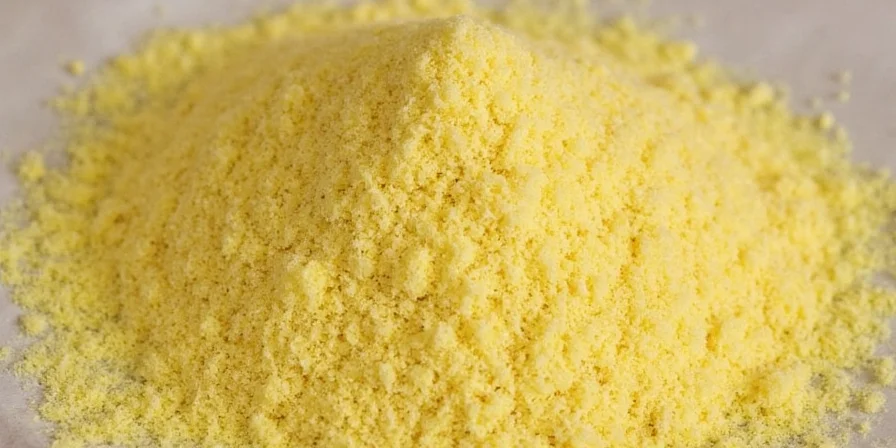
Ground Fresh Ginger: Spice Up Your Life, One Scoop at a Time 🌶️
Spice lovers, unite! Whether you're a seasoned chef or someone who just discovered the joys of adding a little heat to your meals, there’s one spice that deserves a permanent spot on your shelf — ground fresh ginger. Not only does it bring a unique warmth and brightness to dishes, but it also packs a punch when it comes to health benefits.
In this article, we’ll explore what makes ground fresh ginger so special, how it differs from other ginger forms, and share some pro tips to help you use it like a culinary wizard. Grab your apron, your favorite mug for ginger tea, and let’s dive in!
Table of Contents
- What is Ground Fresh Ginger?
- Fresh vs. Dried vs. Ground: What's the Difference?
- Why Ground Fresh Ginger Matters
- Top 10 Pro Tips for Using Ground Fresh Ginger
- Health Benefits You’ll Love
- Storage & Shelf Life: Keep That Zing Alive
- Ginger Goes Great With… A Flavor Pairing Guide
- Fun Facts About Ground Fresh Ginger
What Exactly Is Ground Fresh Ginger? 🧄
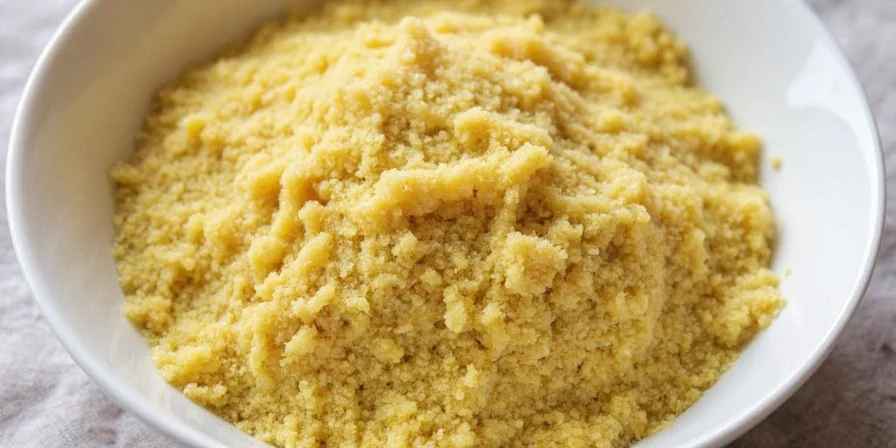
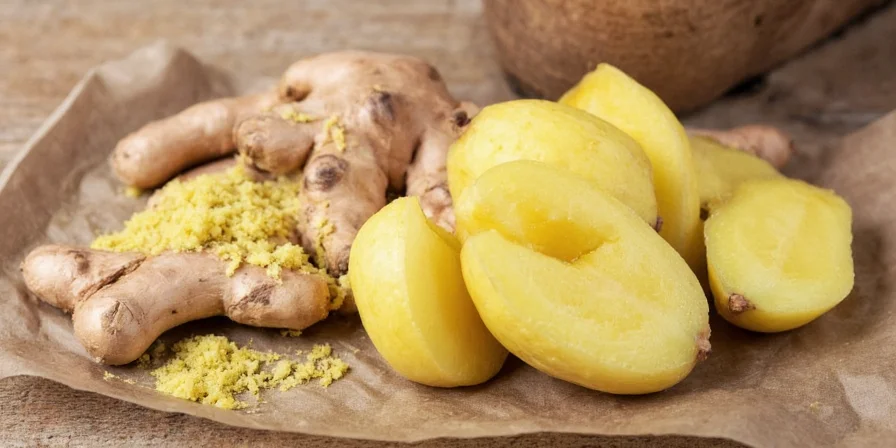
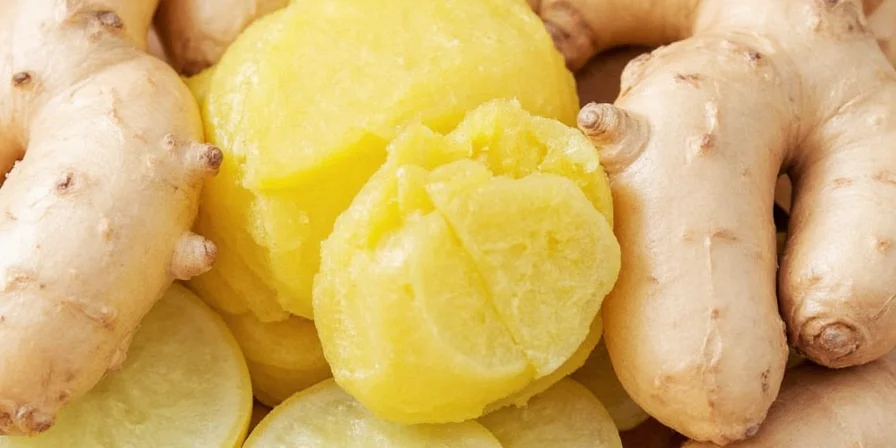
You’ve probably seen jars of powdered ginger in your local grocery store, but not all gingers are created equal. Ground fresh ginger starts its life as plump, juicy rhizomes harvested at peak ripeness. These roots are washed, peeled, sun-dried or dehydrated using low heat to preserve flavor compounds, then finely ground into a vibrant powder with a powerful aroma.
This isn't your average kitchen spice — it's a concentrated burst of everything fresh ginger brings, minus the fibrous texture and prep work. Think of it as ginger in its most portable, easy-to-use form.
Fresh vs. Dried vs. Ground: What’s the Real Difference?
| Type | Texture | Flavor Profile | Best For |
|---|---|---|---|
| Fresh Ginger Root | Crunchy, fibrous | Sharp, zesty, slightly peppery | Stir-fries, marinades, juicing |
| Dried Ginger Slices | Chewy, leathery | Mellow, earthy, sweet-spicy | Teas, baking, snacks |
| Ground Fresh Ginger | Smooth powder | Intense, aromatic, versatile | Cooking, seasoning blends, DIY remedies |
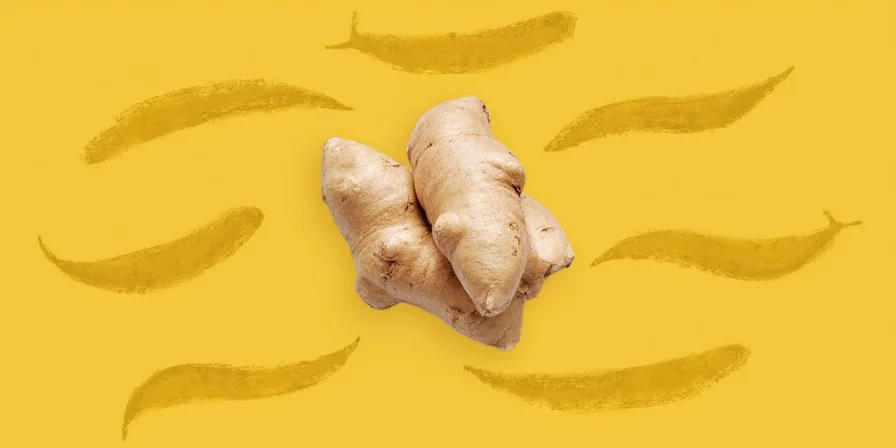
If fresh ginger is the bold speaker and dried ginger is the wise old sage, ground fresh ginger is the eloquent translator — making ginger’s magic accessible in any dish.
Why Ground Fresh Ginger Matters in the Spice World
Ginger has been a staple in kitchens and medicine cabinets for thousands of years across Asia, the Middle East, and Africa. Today, it remains a global favorite for both its taste and therapeutic properties. Ground fresh ginger stands out because it combines:
- Convenience: No peeling, no grating, no mess.
- Potency: Higher concentration of active compounds than many other ginger forms.
- Versatility: Works beautifully in both savory and sweet recipes.
Top 10 Pro Tips for Using Ground Fresh Ginger Like a Boss 👨🍳
- Kickstart Your Curry: Add a teaspoon to your curry base for an instant flavor boost.
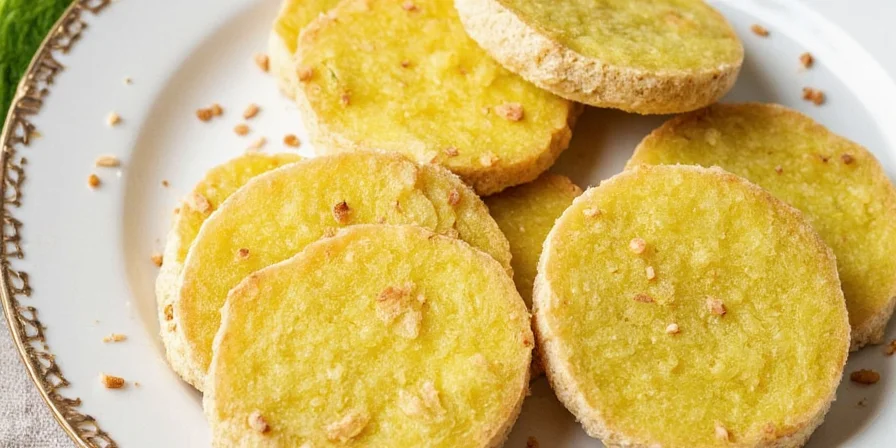
- Sweet Treats Surprise: Mix into cookie dough, brownies, or oatmeal bars for a warm kick.
- Infuse Your Oils: Simmer with olive oil and garlic for a zesty infusion.
- Spice Up Smoothies: A pinch in green smoothies adds complexity without overpowering.
- Elevate Marinades: Combine with soy sauce, honey, and chili for a quick glaze.
- Make Homemade Chai: Use with cinnamon, cardamom, and black pepper for chai magic.
- Boost Soups: Sprinkle into tomato soup or lentil stew for extra depth.
- Bake It Right: Perfect for gingerbread, cakes, or banana bread variations.
- Add Heat Strategically: Use sparingly in hot dishes — a little goes a long way!
- Try It Cold: Blend into homemade ice cream or yogurt sauces.
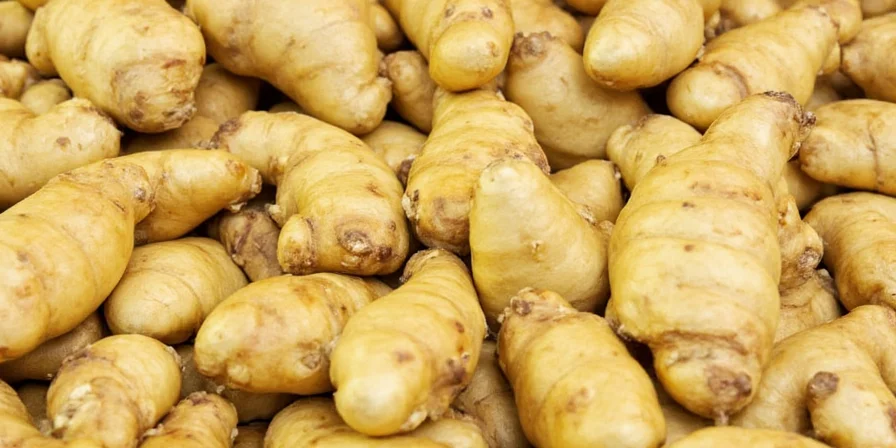
Why Your Body Will Thank You for Eating More Ground Fresh Ginger 🧡
Beyond the flavor explosion, ginger is packed with compounds like gingerol, shogaol, and paradol that offer real health perks:
- Reduces Inflammation: Helps ease joint pain and muscle soreness.
- Calms Digestion: Known to soothe nausea, bloating, and motion sickness.
- Boosts Immunity: Natural antiviral and antioxidant power.
- Improves Circulation: Encourages better blood flow and warming effects.
- May Help with Blood Sugar: Some studies suggest anti-diabetic properties.
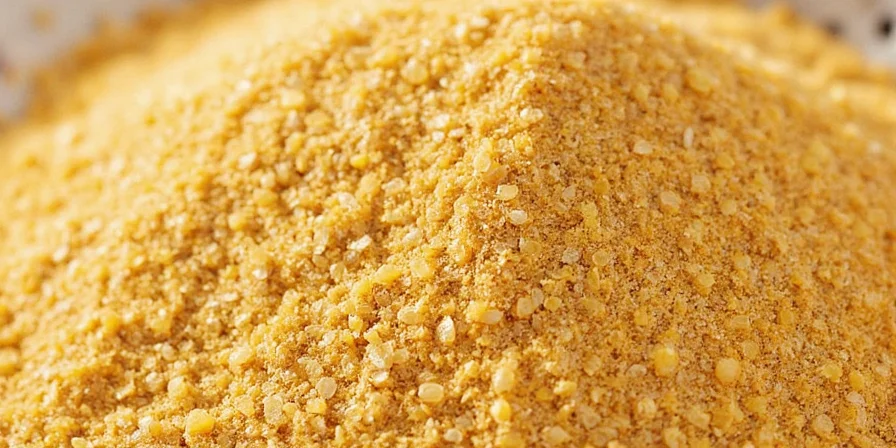
How to Store Ground Fresh Ginger (And Why It’s a Must-Know Skill)
To keep your ginger powder tasting fresh and potent, follow these golden rules:
- Keep It Cool & Dry: Store in a sealed container away from moisture and sunlight.
- Avoid Heat Sources: Don’t place near the stove or oven.
- Label It Clearly: Especially if you have multiple ginger varieties.
- Use Within 1–2 Years: Freshness fades over time, though it won’t spoil.
Ginger’s Best Friends: A Flavor Pairing Chart
| Dish Type | Perfect Pairings with Ginger |
|---|---|
| Asian Stir-Fries | Garlic, sesame oil, chili flakes, scallions |
| Middle Eastern Rice | Cinnamon, turmeric, saffron, dates |
| Indian Curries | Cardamom, cumin, coriander, mustard seeds |
| Baking & Desserts | Nutmeg, cloves, molasses, dark chocolate |
| Drinks & Teas | Lemon, honey, mint, turmeric |
Fun Facts About Ground Fresh Ginger (That Might Blow Your Mind) 😲
- Ginger was once more valuable than gold in ancient Rome!
- It's technically not a root — it’s a rhizome (an underground stem).
- The word “ginger” comes from the Sanskrit word *singabera*, meaning “horn-shaped”.
- In medieval Europe, four pounds of ginger were worth a sheep!
- Ginger can grow in your own backyard — even indoors with the right conditions.
Final Thoughts: Spice Up Your Culinary Game with Ground Fresh Ginger
From boosting flavor profiles to improving gut health, ground fresh ginger is a must-have spice that punches well above its weight. Whether you’re simmering up a storm or baking a batch of spicy cookies, a scoop of this golden wonder can transform your dish from “meh” to “mind-blowing”.
So next time you're restocking your spice rack, don’t settle for old, stale powders. Invest in high-quality ground fresh ginger and unlock the true potential of your pantry. Your taste buds — and your body — will thank you!




 浙公网安备
33010002000092号
浙公网安备
33010002000092号 浙B2-20120091-4