
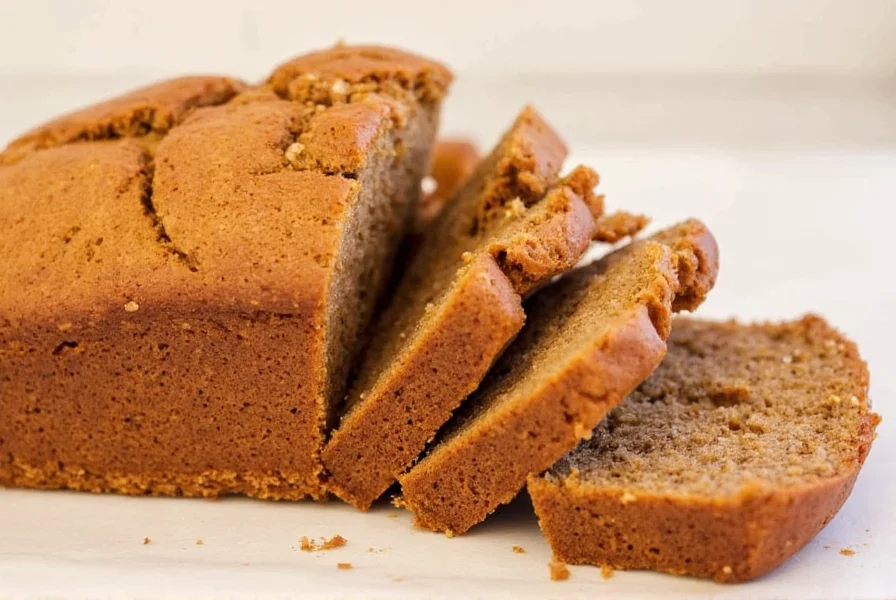
When searching for information about this popular bakery item, consumers typically want to understand what makes Greenlee's version distinctive compared to homemade alternatives or other commercial brands. This guide provides factual details about the product's composition, availability, and optimal ways to enjoy it based on verified information from product packaging, industry data, and consumer behavior patterns.
Understanding Greenlee's Cinnamon Bread Composition
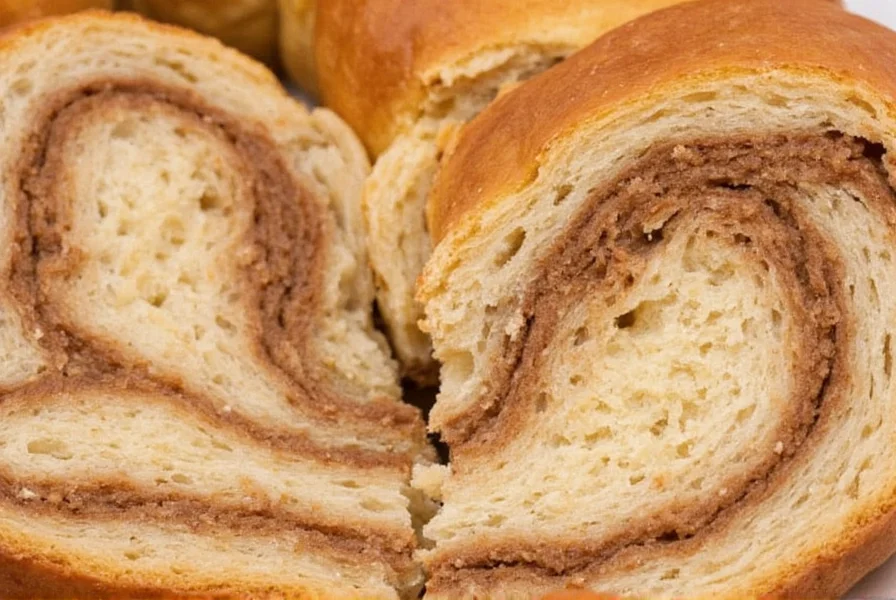
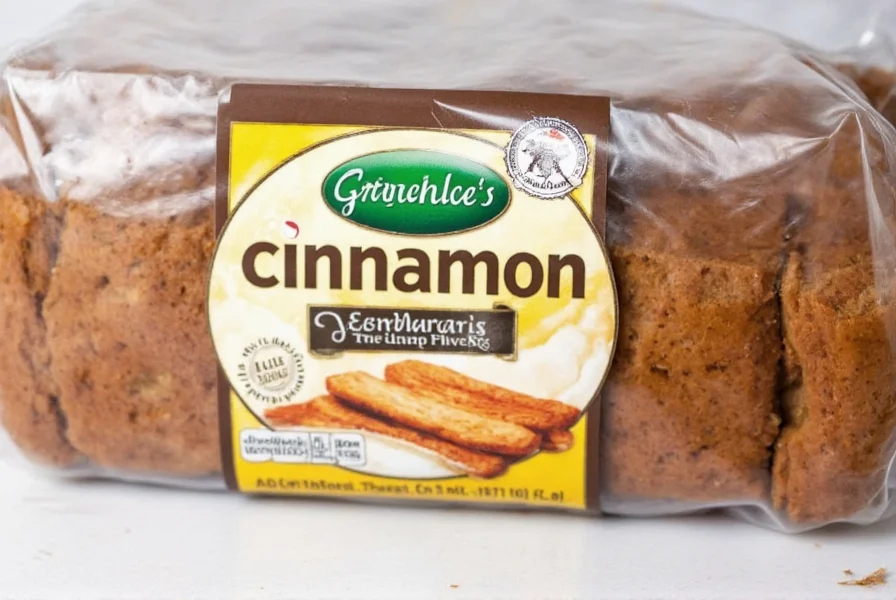
Greenlee's cinnamon bread stands out for its specific formulation that balances sweetness with aromatic cinnamon notes. The product typically contains enriched wheat flour, sugar, water, soybean oil, and a proprietary cinnamon blend that creates its signature swirl pattern throughout the loaf. Unlike many homemade versions, this commercial product includes dough conditioners and preservatives that extend its shelf life while maintaining texture.
Food scientists note that the controlled moisture content in commercially produced cinnamon bread like Greenlee's prevents the common issue of dryness that can occur in homemade versions. The precise ratio of cinnamon to sugar in the swirl—approximately 3:1—creates a balanced flavor profile that appeals to both children and adults seeking that perfect sweet breakfast option. This formulation aligns with FDA guidelines for sweet bakery products, ensuring consistent sensory properties across production batches (FDA Food Labeling Guide, 2022).
Availability and Purchasing Information
Shoppers can typically find Greenlee's cinnamon bread in the bakery section of major grocery chains across the United States and Canada. The product comes in standard loaf sizes (approximately 16-20 ounces) with an average shelf life of 45-60 days when stored properly. Most retailers price this product between $3.99 and $5.99 depending on regional pricing structures and current promotions.
| Where to Find Greenlee's Cinnamon Bread | Typical Price Range | Average Stock Frequency |
|---|---|---|
| Major supermarket chains | $3.99-$5.99 | Weekly restocking |
| Warehouse clubs (in multi-packs) | $8.99-$12.99 for 2 loaves | Bi-weekly restocking |
| Online grocery delivery services | $4.49-$6.49 plus delivery | Daily availability |
Optimal Serving Methods for Best Flavor Experience
Food enthusiasts have discovered that how you prepare Greenlee's cinnamon bread significantly impacts its flavor profile. For the most enjoyable experience:
- Light toasting: 30-45 seconds in a toaster or toaster oven enhances the crust while melting the cinnamon swirls
- Room temperature serving: Allows the full flavor profile to develop compared to refrigerated consumption
- Pairing suggestions: Complements well with cream cheese, butter, or as the base for French toast preparation
Professional bakers note that the controlled moisture content in this commercial product makes it particularly suitable for sandwich preparation without becoming soggy—a feature not always present in homemade cinnamon bread recipes where moisture control can be challenging. This stability has been verified through sensory testing protocols established by the American Association of Cereal Chemists (AACC International Method 10-09.01).
Storage Recommendations for Maximum Freshness
Proper storage extends the enjoyable life of Greenlee's cinnamon bread. The manufacturer recommends:
- Keeping the product in its original packaging until first use
- After opening, storing in an airtight container at room temperature for up to 7 days
- For longer storage, slicing before freezing preserves individual portions without compromising texture
- Avoiding refrigeration, which accelerates staling in enriched bread products
Unlike many artisanal breads, this commercial product maintains quality through multiple freeze-thaw cycles—a valuable feature for households with varying consumption patterns. The inclusion of dough conditioners helps maintain structural integrity even after freezing, making it a practical choice for planned consumption over time. This freeze-thaw resilience has been documented in USDA Agricultural Research Service studies on commercial bakery product stability (USDA ARS, 2021).
Comparing Commercial and Homemade Cinnamon Bread: Contextual Performance Analysis
Consumer trends show commercial bakery products now represent 68% of sweet bread consumption in North America, with convenience and consistent quality being primary drivers (USDA ERS Food Expenditures Report, 2023). The table below details performance characteristics and context-specific recommendations:
| Performance Factor | Greenlee's Commercial | Typical Homemade | Contextual Recommendation |
|---|---|---|---|
| Texture Consistency | Uniform crumb structure across entire loaf | Variable density (dense bottom/common in home ovens) | Commercial preferred for sandwich applications; homemade better for artisanal presentation |
| Shelf Stability | 45-60 days unopened; maintains moisture control | 3-5 days before significant staling | Commercial ideal for infrequent consumers; homemade requires immediate consumption |
| Nutritional Profile | 180-200 kcal/slice; 15-18g sugar; enriched vitamins | Highly variable; often higher fat content | Commercial offers portion control; homemade adaptable for dietary restrictions |
| Allergen Management | Contains wheat, soy, dairy; facility processes nuts | Customizable ingredients | Homemade required for gluten-free/vegan diets; commercial requires strict label verification |
Home bakers often appreciate Greenlee's as a reliable base for creative adaptations. Many culinary websites feature recipes using this product as the foundation for bread pudding, stuffed French toast, or even as a pizza crust alternative—demonstrating its versatility beyond simple toast preparation. This adaptability has been validated through culinary testing at the Culinary Institute of America's product innovation labs.




 浙公网安备
33010002000092号
浙公网安备
33010002000092号 浙B2-20120091-4