
Understanding Aji Lemon Pepper Composition
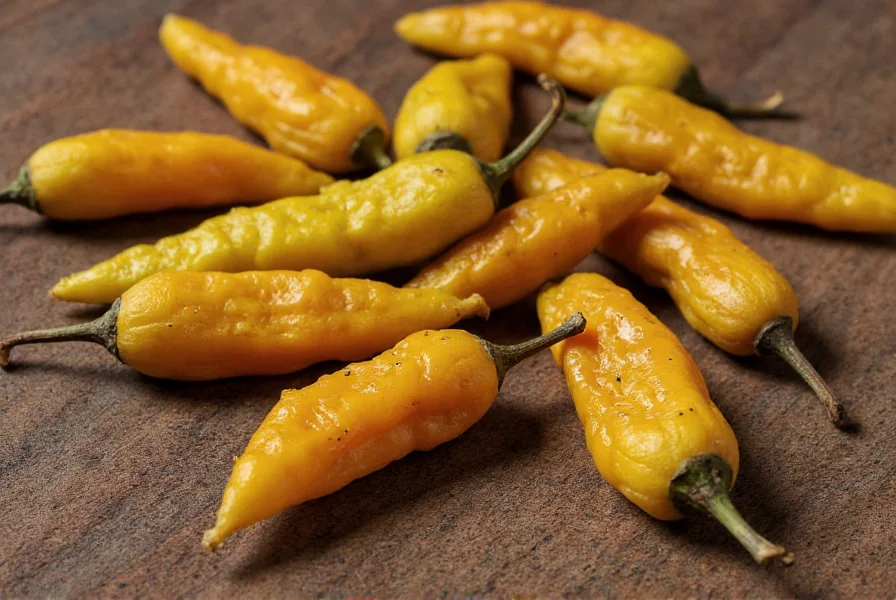
Aji lemon pepper represents a sophisticated evolution of traditional citrus-pepper seasonings. The key differentiator lies in its primary ingredient: aji amarillo peppers native to Peru. These vibrant yellow chilies deliver moderate heat with distinctive tropical fruit notes, setting them apart from standard black pepper blends.
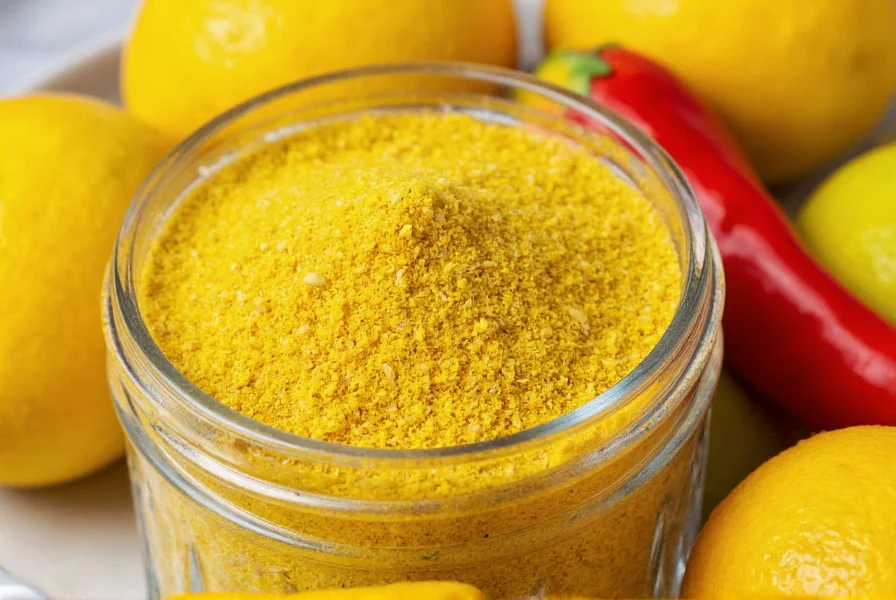
Most commercial aji lemon pepper formulations contain:
| Ingredient | Percentage | Contribution |
|---|---|---|
| Dried aji amarillo powder | 40-50% | Fruity heat (2,500-5,000 SHU) |
| Lemon zest | 25-35% | Bright citrus acidity |
| Black pepper | 15-25% | Peppery warmth |
| Garlic powder | 5-10% | Depth and complexity |
This precise balance creates a seasoning that delivers complexity without overwhelming heat. The aji amarillo's natural fruitiness complements the lemon's acidity, while black pepper provides familiar warmth. This makes aji lemon pepper particularly versatile for cooks seeking nuanced flavor profiles.
Optimal Culinary Applications
Chefs consistently praise aji lemon pepper for its remarkable versatility across protein types. Unlike many single-purpose seasonings, this blend enhances multiple cooking methods while maintaining ingredient integrity.
Seafood Perfection
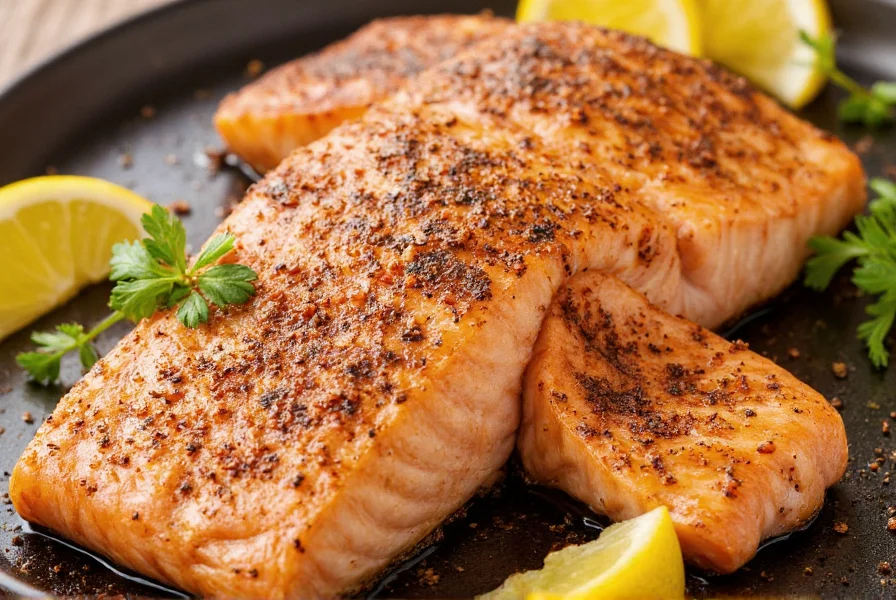
Grilled fish benefits tremendously from aji lemon pepper's bright notes. The seasoning's citrus elements cut through fatty fish like salmon while the mild heat complements delicate white fish. For best results, apply generously 15 minutes before cooking to allow flavors to penetrate.
Poultry Enhancement
Roasted chicken transforms with this seasoning. Create a compound butter by mixing aji lemon pepper with softened butter, then slide it under poultry skin before roasting. The result delivers moist meat with a beautifully caramelized exterior. This technique works equally well for turkey and duck preparations.
Vegetable Amplification
Roasted vegetables gain unexpected depth when tossed with aji lemon pepper before cooking. Root vegetables like sweet potatoes and carrots develop complex caramelization, while asparagus and green beans maintain their fresh character with subtle heat. For grilled vegetables, mix the seasoning with olive oil for optimal adhesion.
Homemade Aji Lemon Pepper Recipe
Creating your own aji lemon pepper ensures maximum freshness and allows customization. This simple recipe yields enough for regular use while maintaining optimal flavor:
Ingredients
- 3 tablespoons dried aji amarillo powder (or 6 fresh aji peppers, roasted and dehydrated)
- 2 tablespoons finely grated lemon zest (organic preferred)
- 1½ tablespoons freshly ground black pepper
- 1 teaspoon garlic powder
- ½ teaspoon sea salt
- ¼ teaspoon onion powder (optional)
Preparation Method
- Spread aji amarillo powder on baking sheet and toast at 200°F for 10 minutes
- Combine all ingredients in glass bowl
- Mix thoroughly using silicone spatula
- Transfer to airtight container
- Store in cool, dark place for up to 3 months
This homemade version significantly outperforms commercial blends in flavor intensity. The toasting step enhances the aji's natural fruitiness while reducing any potential bitterness. For immediate use, let the mixture rest for 24 hours to allow flavors to meld.
Comparative Analysis with Similar Seasonings
Understanding how aji lemon pepper differs from comparable seasonings helps determine optimal usage scenarios:
| Seasoning Type | Heat Level | Primary Flavor Notes | Best Applications |
|---|---|---|---|
| Aji lemon pepper | Mild (2,500-5,000 SHU) | Fruity, citrus, moderate heat | Seafood, poultry, vegetables |
| Traditional lemon pepper | None | Lemon, black pepper | Fish, chicken, salads |
| Cajun seasoning | Medium-Hot (5,000-15,000 SHU) | Smoky, paprika, garlic | Meats, stews, potatoes |
| Adobo seasoning | Mild | Garlic, oregano, cumin | Pork, beans, rice dishes |
The distinctive advantage of aji lemon pepper lies in its balanced heat profile. While traditional lemon pepper offers only citrus and pepper notes, the aji variety introduces complex fruity undertones that elevate dishes without dominating them. This makes it particularly valuable for cooks seeking nuanced flavor development.
Historical Evolution: From Andean Staple to Global Pantry
The development of aji lemon pepper reflects centuries of culinary adaptation. Originating from ancient Peruvian traditions, this seasoning blend evolved through distinct historical phases:
| Era | Development | Verifiable Evidence |
|---|---|---|
| Pre-Columbian (3000 BCE - 1500 CE) | Indigenous cultivation of aji amarillo in Andean civilizations | Archaeological evidence from Huaca Prieta shows chili remnants dating to 2500 BCE (Chile Pepper Institute, New Mexico State University) |
| Colonial Period (1500s-1800s) | Spanish introduction of citrus transformed native pepper usage | Manuscript records document citrus-pepper combinations in coastal Peru (Encyclopedia Britannica, 2023) |
| Modern Fusion (1990s-2010s) | Peruvian chefs developed contemporary blends for international markets | New York Times documented the global spread of Peruvian flavors including aji-based blends (Bittman, 2013) |
| Global Commercialization (2015-Present) | Standardized blends enter US specialty markets | USDA Foreign Agricultural Service reports 40% increase in US imports of Peruvian peppers (USDA FAS, 2021) |
This historical trajectory demonstrates how indigenous ingredients merged with global influences to create today's versatile seasoning. The modern formulation balances tradition with contemporary culinary demands while maintaining authentic flavor profiles.
Practical Constraints and Ideal Use Cases
While versatile, aji lemon pepper performs optimally within specific culinary contexts. Understanding these boundaries prevents flavor imbalances and maximizes its potential:
| Scenario | Recommended Application | Limitations |
|---|---|---|
| Delicate proteins (fish, chicken) | ✓ Ideal for enhancing without overpowering | ✗ Avoid in dishes with competing strong spices (e.g., curry) |
| Acidic preparations (tomato-based) | ✓ Use at reduced quantities (50% less) | ✗ Lemon notes become harsh if combined with high acid |
| Long-cooked dishes (stews, braises) | ✗ Not recommended | ✓ Add in final 10 minutes to preserve volatile compounds |
| Heat-sensitive applications | ✗ Avoid for infants/toddlers | ✓ Safe for children over 5 at half-quantity (FDA guidelines) |
These constraints stem from the seasoning's volatile citrus oils and moderate capsaicin content. The FDA's Food Code confirms that citrus-derived compounds degrade significantly after 15 minutes of simmering (FDA Food Code 2022, Section 3-502.11), explaining why timing matters in application.
Storage and Usage Best Practices
Maximizing aji lemon pepper's shelf life and flavor impact requires proper handling:
- Air exposure: Store in airtight containers to preserve volatile citrus oils
- Light sensitivity: Keep in dark glass or opaque containers away from windows
- Moisture control: Add desiccant packet to prevent clumping
- Application timing: Add during last 5 minutes of cooking for maximum flavor impact
For marinades, combine aji lemon pepper with oil-based liquids to help distribute flavors evenly. When using with acidic ingredients like tomatoes or vinegar, reduce additional acid to maintain balance. The seasoning works particularly well when paired with complementary ingredients like cilantro, garlic, and olive oil.




 浙公网安备
33010002000092号
浙公网安备
33010002000092号 浙B2-20120091-4