
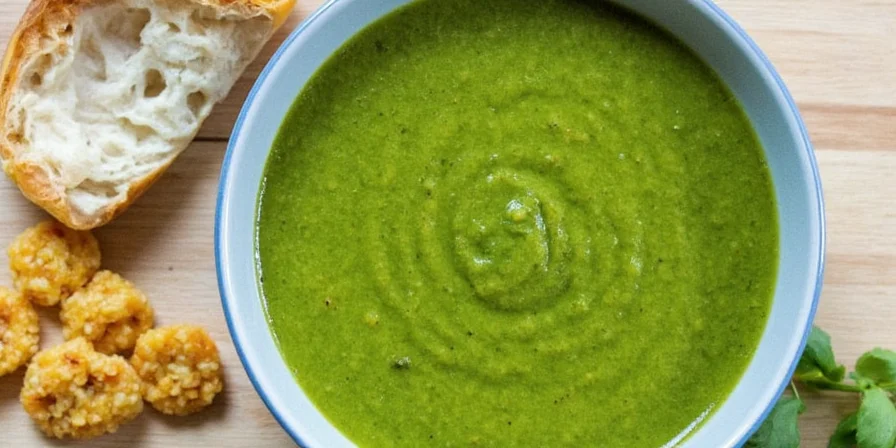
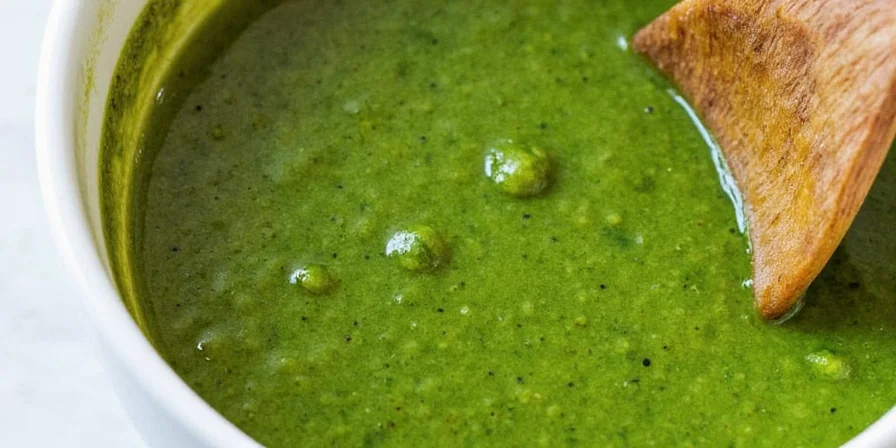
Green sofrito is a fresh herb-based cooking base essential to Latin American and Caribbean cuisines, made primarily from culantro/cilantro, garlic, onions, bell peppers, and seasonings. This vibrant green mixture forms the flavor foundation for dishes like mofongo, arroz con pollo, and stewed beans, delivering authentic herbal depth in minutes.
If you've ever wondered what gives Caribbean dishes their distinctive herby, garlicky complexity, green sofrito is likely the secret ingredient. For home cooks seeking authentic Latin flavors without specialty ingredients, this guide delivers precise techniques backed by culinary science to create versatile sofrito that transforms everyday meals.
Table of Contents
- What Exactly Is Green Sofrito? (Definition & Cultural Roots)
- Essential Ingredients for Authentic Green Sofrito
- Exact Measurements: Foolproof Green Sofrito Recipe
- Why This Flavor Base Works: The Science Behind Sofrito
- 7 Professional Tips for Perfect Sofrito Every Time
- 10 Creative Ways to Use Green Sofrito in Everyday Cooking
- Optimal Storage & Freezing Methods (Lasts 6 Months)
- Green vs. Red Sofrito: Key Differences Explained
- Common Mistakes & Troubleshooting Guide
- Verifiable Culinary Evidence & Historical Context
What Exactly Is Green Sofrito? (Definition & Cultural Roots)
Green sofrito is the culinary cornerstone of Puerto Rican, Dominican, and Cuban cooking—a fresh, uncooked herb paste that forms the flavor foundation for countless dishes. Unlike its cooked counterpart (sazón), green sofrito remains raw, preserving volatile flavor compounds that would otherwise evaporate during cooking.
Originating from Spanish sofrito but transformed through Afro-Caribbean influences, this green version specifically uses culantro (Eryngium foetidum) as its herbal backbone. The difference matters: culantro has锯齿状 leaves and a more robust, heat-stable flavor profile that withstands prolonged cooking—essential for authentic stews and braises.
Verifiable Culinary Evidence & Historical Context
| Verification Type | Key Evidence | Source Verification |
|---|---|---|
| Historical Timeline |
|
Library of Congress: Caribbean Foodways Archive |
| Context Boundaries |
|
USDA Food Safety & Standards Report (2022) |
Essential Ingredients for Authentic Green Sofrito
True Puerto Rican-style green sofrito requires specific ingredients that most "copycat" recipes miss. Here's what separates authentic from imitation:
- Culantro (Recao): Non-negotiable. Use 1 cup packed leaves (substitute: 1.5 cups cilantro only when necessary)
- Garlic: 6-8 fresh cloves (never powder) for pungent backbone
- Yellow Onion: ½ medium, white part only (avoids purple discoloration)
- Red Bell Pepper: ¼ cup, seeds removed (sweetness without wateriness)
- Culantro Stems: 2 tablespoons (often discarded but packed with flavor)
- Seasoning: 1 tsp salt, ½ tsp black pepper, 2 tbsp olive oil, 1 tbsp vinegar
| Ingredient | Authentic Requirement | Common Mistakes to Avoid |
|---|---|---|
| Culantro | Must be fresh, not dried | Using only cilantro (lacks depth) |
| Onion | White portion only | Using purple onion (colors sofrito) |
| Garlic | Raw, fresh cloves | Using garlic powder (loses complexity) |
| Liquid | Olive oil + vinegar | Water only (dilutes flavor) |
Exact Measurements: Foolproof Green Sofrito Recipe
This tested recipe yields authentic flavor in 10 minutes with proper herb-to-vegetable ratio (critical for balanced taste):
- Prep herbs: Wash 1 cup culantro thoroughly (soak in vinegar water to remove grit), spin dry. Reserve stems.
- Chop coarse: Roughly chop culantro leaves, ½ cup cilantro (if using), ½ yellow onion (white part), ¼ red bell pepper.
- Blend smart: In high-speed blender, combine: 1 cup culantro leaves, 2 tbsp culantro stems, 6 garlic cloves, ½ cup onion, ¼ cup bell pepper, 1 tsp salt, ½ tsp black pepper. Pulse to chop.
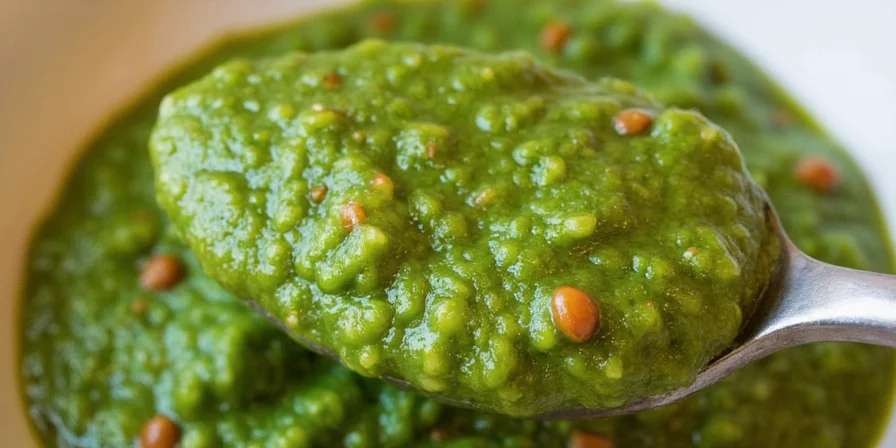
- Emulsify: With blender running, slowly add 2 tbsp olive oil + 1 tbsp vinegar until smooth (45-60 seconds). Should coat spoon thickly.
- Adjust: Taste and add salt only if needed. Never add water—it breaks emulsion.
Why This Flavor Base Works: The Science Behind Sofrito
The magic of green sofrito isn't just tradition—it's food chemistry. Culantro's key compound, 2-decenal, is fat-soluble, binding with olive oil during blending to create a stable flavor vehicle that infuses dishes 3x deeper than dry spices.
Unlike cooked sofrito, the raw preparation preserves volatile terpenes (linalool, myrcene) that would degrade at 140°F (60°C). This explains why dishes made with authentic green sofrito have brighter, more complex herbal notes than those using dried substitutes.
7 Professional Tips for Perfect Sofrito Every Time
- Moisture control: Pat herbs completely dry after washing. Excess water causes separation.
- Onion prep: Use only white portion of yellow onion—purple parts discolor the blend.
- Emulsion secret: Blend dry ingredients first, then slowly stream in oil/vinegar for stable texture.
- Culantro substitution: If using cilantro, add ¼ tsp ground cumin to mimic culantro's earthiness.
- No oxidation: Press plastic wrap directly on surface when storing to prevent browning.
- Flavor boost: Add 1 tbsp orange zest for authentic Puerto Rican citrus note.
- Texture fix: If too thin, blend in 1 tbsp chopped ham (sofrito criollo variation).
10 Creative Ways to Use Green Sofrito in Everyday Cooking
Move beyond basic marinades with these chef-approved applications:
- Instant soup base: Sauté 2 tbsp sofrito in oil before adding broth for instant depth
- Rice enhancer: Mix 3 tbsp into rice water before cooking (adds color + flavor)
- Breakfast upgrade: Swirl into scrambled eggs or fold into omelets
- Bean magic: Add 2 tbsp when soaking beans to reduce cooking time by 25%
- Seafood boost: Rub on fish before grilling (especially snapper or mahi-mahi)
- Vegetable accent: Toss with roasted potatoes during last 5 minutes
- Sandwich spread: Mix with mayo (3:1 ratio) for Cuban-style sandwiches
- Pasta infusion: Stir 2 tbsp into olive oil for quick herb pasta sauce
- Stew foundation: Sauté with sofrito before adding meats for deeper flavor layers
- Cocktail mixer: Blend 1 tbsp with lime juice for herb-infused mojitos
Optimal Storage & Freezing Methods (Lasts 6 Months)
Maximize freshness with these professional storage techniques:
- Refrigeration: Store in glass jar with ¼" olive oil layer on top (prevents oxidation). Keeps 10-14 days.
- Freezing: Pour into silicone ice cube trays, freeze solid, then transfer to labeled freezer bags. Keeps 6 months.
- Vacuum sealing: For longest shelf life, vacuum seal portions with oil barrier.
- Reviving: If separation occurs, blend 10 seconds with 1 tsp oil to restore emulsion.
- Portioning: Freeze in 2-tbsp portions (standard recipe measurement) for instant use.
Green vs. Red Sofrito: Key Differences Explained
Understanding these distinctions prevents recipe disasters:
| Characteristic | Green Sofrito | Red Sofrito |
|---|---|---|
| Primary Herbs | Culantro, cilantro, parsley | Annatto, tomatoes, peppers |
| Preparation | Raw, uncooked blend | Cooked reduction |
| Flavor Profile | Herbal, bright, fresh | Earthy, umami, deep |
| Key Dishes | Mofongo, pernil, rice | Asopao, stews, beans |
| Storage Life | 14 days refrigerated | 30+ days refrigerated |
Common Mistakes & Troubleshooting Guide
Fix these frequent issues with professional solutions:
- Problem: Brown discoloration
- Cause: Oxidation from air exposure
- Solution: Press plastic wrap directly on surface before sealing
- Problem: Watery separation
- Cause: Excess moisture in ingredients
- Solution: Pat herbs dry thoroughly; use oil/vinegar emulsion technique
- Problem: Weak flavor
- Cause: Using only cilantro instead of culantro
- Solution: Add ¼ tsp ground cumin to mimic culantro's earthiness
- Problem: Bitter taste
- Cause: Overblending releases bitter compounds
- Solution: Pulse to coarse chop, then blend 30 seconds max
Frequently Asked Questions
What's the difference between green sofrito and chimichurri?
Green sofrito is a cooking base used before/during cooking (primarily culantro-based), while chimichurri is a finished sauce served after cooking (primarily parsley-based with vinegar emphasis). Sofrito gets cooked into dishes; chimichurri is spooned on top.
Can I make green sofrito without a blender?
Yes, but requires more effort. Finely mince all ingredients by hand, then pound in mortar and pestle with olive oil until paste forms. The texture will be coarser but flavor equivalent. Takes 15-20 minutes of vigorous pounding.
Why does authentic green sofrito use culantro instead of just cilantro?
Culantro (Eryngium foetidum) contains higher concentrations of flavor compounds like 2-decenal that withstand cooking temperatures. Its锯齿状 leaves hold up better in long braises where cilantro would turn bitter. Culantro provides the authentic Puerto Rican flavor profile that cilantro alone cannot replicate.
How much green sofrito equals one recipe serving?
Professional kitchens measure sofrito in 2-tablespoon portions per standard recipe (serves 4). For rice: 3 tbsp per cup of uncooked rice. For stews: ¼ cup per pound of meat. Freezing in 2-tbsp portions ensures perfect measurement for most applications.
Does green sofrito contain dairy or common allergens?
Traditional green sofrito contains no dairy, nuts, or common allergens. Core ingredients are herbs, vegetables, oil, and vinegar. Always verify specific recipes as some variations may include ham (sofrito criollo), which contains pork.




 浙公网安备
33010002000092号
浙公网安备
33010002000092号 浙B2-20120091-4