
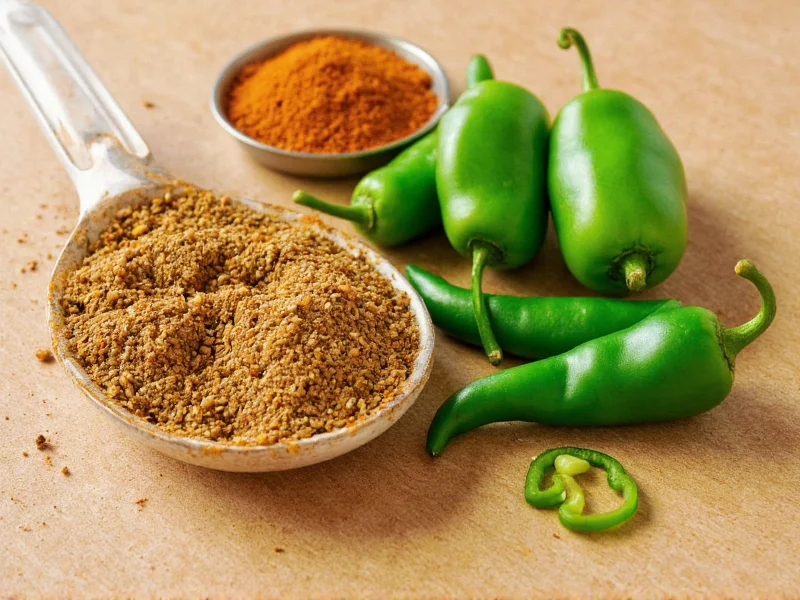
Understanding the true nature of green pepper spice prevents common culinary mistakes. Many home cooks confuse green pepper spice with ground bell peppers, but these are fundamentally different ingredients. The genuine article comes from the same vine that produces black, white, and red peppercorns—Piper nigrum—simply harvested at an earlier stage of development.
Origins and Production Process
Green peppercorns begin as small green berries on the Piper nigrum vine. Harvesters pick them before sun exposure triggers the enzymatic reactions that create black pepper's characteristic dark color and stronger flavor. Producers then preserve these delicate berries using one of three methods:
| Preservation Method | Process | Flavor Characteristics |
|---|---|---|
| Freeze-drying | Rapid dehydration at low temperatures | Most vibrant herbal notes, closest to fresh peppercorns |
| Sulfur dioxide treatment | Chemical preservation to maintain color | Slightly muted flavor, consistent green color |
| Brine curing | Soaking in saltwater solution | Softer heat, subtle tang, requires rinsing before use |
Historical Evolution of Green Peppercorn Processing
While black pepper has dominated global trade for centuries, green peppercorns have followed a distinct processing evolution. Historical records indicate that traditional brine curing was the primary method for preserving green peppercorns in Southeast Asia for generations. However, modern advancements have refined preservation techniques to better capture the spice's delicate profile:
- Pre-20th Century: Green peppercorns were preserved through brine curing in regions like Vietnam and Thailand, as documented in traditional culinary practices. This method allowed local cuisines to incorporate the fresh flavor of unripe peppercorns year-round.
- 1950s: The introduction of sulfur dioxide treatment revolutionized green peppercorn preservation by maintaining vibrant color without significant flavor alteration. As noted by the Food and Agriculture Organization (FAO), this method became standard for commercial production to meet quality standards (FAO, 1999).
- 1970s: Freeze-drying technology emerged as the premium preservation method, locking in volatile flavor compounds that brine and sulfur treatments compromise. According to the University of Georgia Cooperative Extension, freeze-drying "preserves the color, flavor, and nutritional value of foods" more effectively than other drying methods (University of Georgia, 2010).
Contextual Boundaries: Optimal Use Cases and Limitations
Green pepper spice delivers exceptional results within specific culinary contexts but has clear limitations. Understanding these boundaries prevents flavor degradation and ensures optimal dish outcomes:
Ideal Applications
- Short-cooking dishes: Use in preparations with cooking times under 10 minutes (e.g., pan sauces, stir-fries) to preserve volatile flavor compounds.
- Light-colored sauces: Its vibrant green hue enhances visual appeal in béarnaise, cream sauces, and mayonnaise-based dressings without discoloration.
- Delicate proteins: Pairs perfectly with fish, shellfish, and poultry where black pepper's intensity would overwhelm.
Key Limitations
- Avoid prolonged heat exposure: Temperatures above 150°F (65°C) for more than 10 minutes cause significant flavor degradation. As confirmed by food science research, "heat can cause spices to lose their flavor," with green pepper's herbal notes being especially vulnerable (Oregon State University Extension).
- Not for robust-flavored dishes: In hearty stews, red meat preparations, or strongly spiced cuisines (e.g., Indian curries), green pepper spice gets lost and fails to provide the expected pepper punch.
- Moisture sensitivity: In high-moisture applications like soups, the subtle citrus notes dissipate rapidly—use only in finishing stages.
Flavor Profile Comparison
When evaluating green pepper spice vs black pepper, several key differences emerge. Green peppercorns contain higher levels of essential oils that degrade during the sun-drying process used for black pepper. This results in:
- Herbal freshness reminiscent of unripe fruit
- Citrus undertones not present in mature peppercorns
- Moderate heat level (about 70% of black pepper's pungency)
- Less woody notes compared to fully ripened varieties
Chefs specializing in French and Thai cuisines particularly value green pepper spice for its ability to add complexity without overwhelming other ingredients. The flavor of green pepper spice works exceptionally well with fish, poultry, and creamy sauces where black pepper might dominate.
Culinary Applications and Pairing Suggestions
For optimal results when cooking with green pepper spice, consider these professional techniques:
- Finishing spice: Add ground green pepper during the last 5 minutes of cooking to preserve volatile flavor compounds
- Infused oils: Steep whole green peppercorns in neutral oil for salad dressings
- Cream-based sauces: Complements béarnaise and other emulsified sauces beautifully
- Fish preparations: Excellent with salmon, halibut, and shellfish
A classic French poivre vert sauce demonstrates the spice's versatility. This preparation combines rehydrated green peppercorns with shallots, cognac, and cream—a perfect illustration of how green pepper spice in recipes creates sophisticated flavor profiles that black pepper cannot replicate.
Storage Recommendations for Maximum Freshness
Due to their higher moisture content and delicate essential oils, green peppercorns require special storage considerations. Unlike black pepper which remains stable for years, properly stored green pepper spice maintains peak quality for only 4-6 months. Follow these guidelines:
- Store in airtight containers away from light and heat
- Refrigeration extends shelf life by 50% compared to room temperature storage
- Freeze whole peppercorns for long-term preservation (up to 12 months)
- Grind only what you'll use within 2 weeks for optimal flavor
Common Substitutions and When to Avoid Them
When you need a green pepper spice substitute, consider these alternatives based on your recipe's requirements:
- Fresh green peppercorns (1:1 ratio) - best substitute when available
- Black pepper + fresh herbs (1 tsp black pepper + 1/2 tsp chopped cilantro) - approximates flavor profile
- White pepper (3/4 quantity) - similar heat level but different flavor notes
- ALLSPICE (1/2 quantity) - provides some herbal notes but significantly different profile
Never substitute ground bell peppers for green pepper spice—this common mistake introduces sweetness and completely different flavor compounds that will alter your dish's character. Understanding what is green pepper spice prevents this critical culinary error.
Debunking Common Misconceptions
Several persistent myths surround green pepper spice. Let's clarify:
- Myth: Green pepper spice comes from green bell peppers
Fact: Bell peppers (Capsicum) and peppercorns (Piper) belong to different plant families with completely distinct chemical compositions - Myth: Green and black pepper come from different plants
Fact: Both derive from Piper nigrum—only the harvest time and processing differ - Myth: Green pepper is milder than black pepper
Fact: While slightly less pungent, green pepper offers more complex flavor notes that can seem more intense in certain applications
Where to Source Quality Green Pepper Spice
When searching for where to buy green peppercorns, prioritize these options:
- Specialty spice retailers with high turnover (ensures freshness)
- Online merchants specializing in single-origin peppercorns
- Asian grocery stores (particularly those specializing in Vietnamese or Thai products)
Look for products labeled "freeze-dried" rather than "brined" for the most authentic green pepper spice flavor. Whole peppercorns maintain quality significantly longer than pre-ground versions, making them worth the extra effort of grinding yourself.
Frequently Asked Questions
Is green pepper spice the same as ground bell peppers?
No, green pepper spice comes from unripe Piper nigrum peppercorns, while bell peppers belong to the Capsicum family. They have completely different flavor profiles and chemical compositions.
How does green pepper spice differ from black pepper?
Green pepper spice is made from unripe peppercorns and has a fresher, more herbal flavor with citrus notes. It's about 30% less pungent than black pepper, which undergoes sun-drying that develops stronger woody notes.
What's the best way to use green pepper spice in cooking?
Add ground green pepper during the last 5 minutes of cooking to preserve its delicate flavor compounds. It works exceptionally well in creamy sauces, with fish and poultry, and in French preparations like poivre vert sauce.
How long does green pepper spice stay fresh?
Properly stored in an airtight container away from light and heat, ground green pepper spice maintains peak quality for 4-6 months. Whole peppercorns last up to 12 months when frozen.
Can I substitute black pepper for green pepper spice?
You can substitute black pepper at a 3:4 ratio (use 3/4 tsp black pepper for 1 tsp green pepper spice), but add a pinch of fresh cilantro or lemon zest to approximate the herbal notes. The flavor profile won't be identical.




 浙公网安备
33010002000092号
浙公网安备
33010002000092号 浙B2-20120091-4