
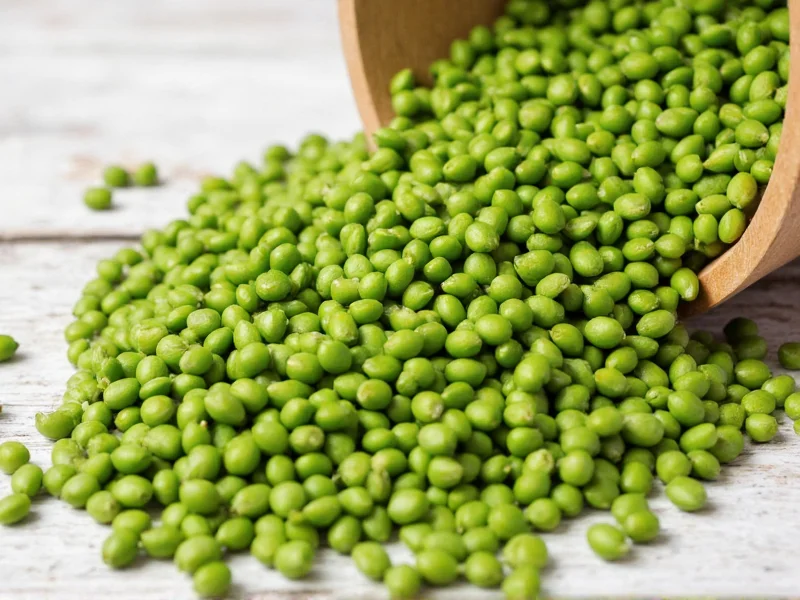
Understanding Green Lentils: A Nutritional Powerhouse
Green lentils (Lens culinaris) represent one of the oldest cultivated legumes, with archaeological evidence dating back 8,000-11,000 years to ancient Turkey and the Levant. Unlike many legumes, these oval-shaped pulses maintain structural integrity when cooked, making them ideal for salads, soups, and side dishes where texture matters. Their distinctive green to olive hue comes from chlorophyll pigments that remain stable during cooking.
Nutritional Profile of Green Lentils
One cup (198g) of cooked green lentils delivers exceptional nutritional value:
| Nutrient | Amount | % Daily Value |
|---|---|---|
| Calories | 230 | 12% |
| Protein | 18g | 36% |
| Fiber | 15.6g | 56% |
| Folate | 358mcg | 90% |
| Iron | 6.6mg | 37% |
| Manganese | 1.3mg | 57% |
This impressive nutritional profile makes green lentils particularly valuable for plant-based diets. Their complete amino acid profile when combined with grains provides high-quality protein without animal products. The substantial fiber content includes both soluble and insoluble varieties, supporting digestive health and stable blood sugar levels.
Green Lentils vs Other Lentil Varieties
Understanding the differences between lentil types helps home cooks select the right variety for specific recipes. Green lentils stand apart from other common varieties:
| Lentil Type | Cooking Time | Texture After Cooking | Best Uses |
|---|---|---|---|
| Green Lentils | 20-30 minutes | Firm, holds shape | Salads, side dishes, casseroles |
| Brown Lentils | 20-25 minutes | Slightly softer | Curries, soups, stews |
| Red/Yellow Lentils | 10-15 minutes | Soft, mushy | Dals, purees, thickening soups |
| Black (Beluga) Lentils | 25-30 minutes | Firm, caviar-like | Salads, gourmet dishes |
| Puy Lentils | 25-30 minutes | Firmest texture | Salads, French cuisine |
Optimal Cooking Methods for Green Lentils
Unlike many dried legumes, green lentils don't require soaking before cooking, which preserves their texture and reduces cooking time. Follow these steps for perfect results every time:
- Rinse 1 cup lentils thoroughly in cold water
- Use 2.5 cups water or broth per cup of lentils
- Bring to boil, then reduce to simmer
- Cover and cook 20-30 minutes until tender but firm
- Drain any excess liquid immediately
Acidic ingredients like tomatoes or vinegar can toughen lentils and increase cooking time, so add these near the end of cooking. For enhanced flavor, sauté aromatics like onions, garlic, and celery before adding lentils and liquid. The best way to store cooked green lentils is in an airtight container in the refrigerator for up to five days or frozen for three months.
Health Benefits Supported by Research
Regular consumption of green lentils contributes to several health benefits. Their high fiber content improves digestive health and helps maintain healthy cholesterol levels. The complex carbohydrates provide sustained energy release, making them valuable for blood sugar management. Studies published in the British Journal of Nutrition show that legume consumption correlates with reduced risk of cardiovascular disease.
The significant folate content supports cellular function and is particularly important during pregnancy. Iron from plant sources like lentils (non-heme iron) absorbs better when paired with vitamin C-rich foods. Try adding lemon juice or bell peppers to your lentil dishes to maximize iron absorption.
Simple Green Lentil Recipe Ideas
Green lentils work well in numerous dishes. For a quick green lentil salad for beginners, combine cooled cooked lentils with diced cucumber, cherry tomatoes, red onion, and fresh herbs. Dress with olive oil, lemon juice, salt, and pepper. Add feta cheese for extra protein.
For heartier meals, try a green lentil soup with vegetables by simmering lentils with carrots, celery, onions, garlic, and vegetable broth. Add kale or spinach during the last five minutes of cooking. This one-pot meal delivers complete nutrition with minimal preparation time.
Storage and Shelf Life Guidelines
Proper storage maintains green lentils' quality and extends shelf life. Keep dried lentils in airtight containers away from light and moisture. Stored correctly, they remain viable for 1-2 years. Check periodically for signs of moisture or insects.
Cooked green lentils last 3-5 days in the refrigerator. For longer storage, freeze portions in freezer bags with cooking liquid. Thaw overnight in the refrigerator before using. Never leave cooked lentils at room temperature for more than two hours to prevent bacterial growth.
Frequently Asked Questions
Do green lentils need to be soaked before cooking?
No, green lentils don't require soaking. Their smaller size and thinner skin allow them to cook relatively quickly without pre-soaking. Simply rinse them thoroughly before cooking to remove any dust or debris.
How long do cooked green lentils last in the refrigerator?
Properly stored in an airtight container, cooked green lentils maintain quality for 3-5 days in the refrigerator. Always cool them completely before storing and keep them separate from strongly flavored foods that might affect their taste.
What makes green lentils different from brown lentils?
Green lentils have a slightly higher density and firmer texture than brown lentils, making them better for dishes where maintaining shape matters. They also have a more pronounced earthy flavor. Brown lentils break down more easily, making them preferable for soups and purees.
Can I use green lentils in place of red lentils in recipes?
Not interchangeably. Red lentils break down completely when cooked, creating a creamy texture ideal for dals and purees. Green lentils maintain their shape, so substituting them would change the dish's texture significantly. Choose the lentil variety based on the desired final texture of your recipe.
Why are my green lentils still hard after cooking?
Hard lentils usually indicate either old lentils (beyond 1-2 years storage), insufficient cooking time, or cooking in hard water. Adding acidic ingredients too early can also prevent softening. Try extending cooking time by 5-10 minutes or using filtered water for better results.




 浙公网安备
33010002000092号
浙公网安备
33010002000092号 浙B2-20120091-4