
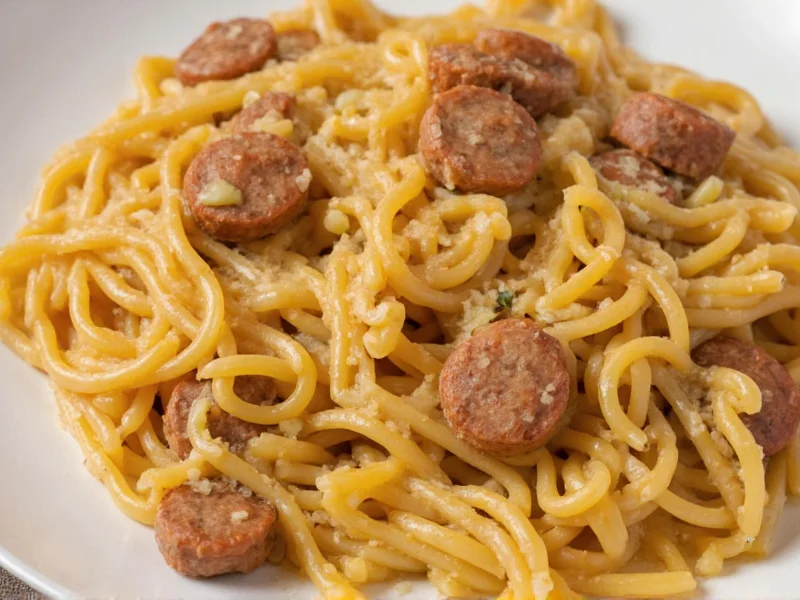
Italian sausage pasta represents one of the most satisfying comfort food combinations, blending protein-rich sausage with carbohydrate satisfaction of pasta. This culinary marriage works because sausage's fat content enriches the sauce while its seasonings permeate the entire dish. Understanding the fundamentals transforms this simple weeknight dinner into a consistently delicious meal that satisfies both family dinners and casual entertaining.
Why Sausage and Pasta Create Perfect Harmony
Sausage's high fat content (typically 20-30%) carries flavor compounds that infuse the entire dish. When properly browned, the Maillard reaction creates complex flavor compounds that form the foundation of exceptional sausage pasta recipes. The starch released from pasta during cooking binds with fat and liquid to create an emulsified sauce that clings perfectly to noodles. This scientific principle explains why finishing pasta in the sauce—not simply pouring sauce over cooked pasta—produces superior results.
The Historical Evolution of Sausage Pasta
Sausage pasta dishes evolved from regional Italian traditions to global comfort food staples through distinct historical phases:
- Pre-19th Century: In rural Italy, families combined locally made sausages (using pork and regional herbs) with hand-rolled pasta shapes that could capture the sausage's rendered fat. The Italian Ministry of Agricultural, Food and Forestry Policies recognizes over 50 traditional sausage varieties in their PAT list, reflecting centuries-old regional diversity (Ministry of Agricultural, Food and Forestry Policies).
- Early 1900s: Italian immigrants to America adapted recipes using available ingredients. Sausage became a protein substitute for expensive meats, leading to the creation of "pasta e salsiccia" as a working-class meal. The National Italian American Foundation documents how sausage production became a community staple in immigrant neighborhoods (NIAF Food History).
- Post-WWII: The rise of supermarkets made Italian sausage widely available, while food writers like Marcella Hazan popularized "restaurant-style" sausage pasta dishes in American homes during the 1970s-80s.
Essential Ingredients Breakdown
Selecting quality components makes the difference between ordinary and extraordinary sausage pasta dishes. Consider these professional recommendations:
| Ingredient | Professional Recommendation | Avoid |
|---|---|---|
| Sausage | Fresh Italian sausage (sweet or hot) with minimum 20% fat content | Pre-cooked sausage links, turkey sausage with fillers |
| Pasta | Rigatoni, penne, or fusilli for sauce trapping | Thin noodles like angel hair |
| Sauce Base | San Marzano tomatoes or high-quality tomato passata | Low-quality canned tomatoes with additives |
| Finishing Elements | Fresh basil, Parmesan rind, reserved pasta water | Dried herbs only, excessive cheese |
Classic Sausage Pasta Recipe: Step-by-Step
This reliable method produces perfect sausage pasta every time. For an easy sausage pasta recipe for weeknights, follow these professional techniques:
- Prep components: Remove sausage from casings, chop tomatoes if using whole, measure pasta (12 oz for 4 servings)
- Brown sausage properly: Heat 2 tbsp olive oil in large skillet over medium-high. Add sausage, breaking into small chunks. Cook 6-8 minutes until deeply browned (not gray). Remove 75% sausage, leaving fat in pan
- Build flavor foundation: Add 1 diced onion, 4 minced garlic cloves to sausage fat. Cook 5 minutes until soft. Add 28 oz quality tomatoes, 1 tsp red pepper flakes (optional), salt to taste
- Cook pasta al dente: In separate pot, cook pasta in well-salted water until 2 minutes before package directions. Reserve 2 cups pasta water before draining
- Finish in sauce: Return pasta to pot, add tomato sauce, reserved sausage, and 1 cup pasta water. Simmer 2-3 minutes until sauce emulsifies and coats pasta
- Final enrichment: Remove from heat, stir in 2 tbsp butter, fresh basil, and Parmesan rind (if using). Adjust consistency with additional pasta water as needed
Three Distinct Sausage Pasta Variations
Expand your repertoire with these professional adaptations of traditional sausage pasta preparation methods:
1. Creamy Sausage Pasta with Peas (Weeknight Family Favorite)
After completing step 3 above, stir in 1 cup heavy cream and 1 cup frozen peas. Proceed with pasta finishing steps. The cream creates a luxurious texture while peas add sweetness that balances sausage's richness. This healthy sausage pasta recipe with vegetables appeals to children while satisfying adult palates.
2. Spicy Arrabbiata-Style Sausage Pasta (Restaurant-Quality)
Double red pepper flakes and add 1 tsp Calabrian chili paste to tomato base. Finish with fresh oregano instead of basil. For authentic spicy sausage pasta variations, use hot Italian sausage and serve with crusty bread for dipping. This version delivers the bold flavors characteristic of Southern Italian cooking.
3. One-Pot Sausage Pasta with Roasted Red Peppers (30-Minute Meal)
Combine all ingredients (including uncooked pasta) in large pot with 4 cups broth instead of water. Simmer covered 15 minutes, stirring occasionally, until pasta absorbs liquid. This quick sausage pasta dinner idea minimizes cleanup while maximizing flavor integration—perfect for busy weeknights.
When to Use Each Sausage Pasta Variation: Context Boundaries
Each variation has specific ideal applications and limitations based on ingredient science and dietary considerations:
- Creamy Sausage Pasta: Best for family meals with children due to mild flavors, but avoid if serving to guests with dairy restrictions. Limitation: Cream separates if boiled—maintain sauce temperature below 160°F (71°C) as advised by University of Minnesota Extension (Dairy Handling Guidelines).
- Spicy Arrabbiata-Style: Ideal for adventurous eaters and wine pairings, but not suitable for young children or spice-sensitive individuals. Limitation: Calabrian chili paste intensity varies by brand—always taste before adding to avoid overwhelming heat.
- One-Pot Method: Perfect for time-constrained weeknights, but not suitable for make-ahead meals as pasta texture degrades during storage. Limitation: Broth-based cooking limits sauce reduction depth compared to traditional methods.
Critical Mistakes That Ruin Sausage Pasta
Avoid these common errors that compromise even the best sausage pasta recipes:
- Boiling instead of simmering sauce: Vigorous boiling breaks down tomato structure, creating watery sauce. Maintain gentle simmer after adding tomatoes
- Overcooking pasta separately: Pasta continues cooking in sauce. Undercook initially to prevent mushiness in final dish
- Skipping pasta water: The starchy liquid is essential for proper sauce emulsification. Never drain pasta without reserving at least 1½ cups water
- Crowding the pan when browning: Prevents proper Maillard reaction. Work in batches if necessary for optimal sausage browning
- Adding cheese to hot sauce: Causes clumping. Remove from heat before adding Parmesan for smooth integration
Serving and Pairing Recommendations
Elevate your sausage pasta presentation with these professional touches:
- Use wide, shallow bowls that showcase the dish's components
- Garnish with fresh basil leaves and a drizzle of high-quality olive oil
- Offer extra Parmesan but avoid pre-grating (texture suffers)
- Pair with medium-bodied reds like Chianti or Sangiovese that complement without overwhelming
- Balance the meal with bitter greens salad (arugula with lemon vinaigrette) to cut richness
Storage and Reheating Best Practices
Proper storage maintains quality for excellent leftovers:
- Cool completely before refrigerating in airtight container (max 3-4 days)
- Freeze portions with some sauce but without pasta for up to 2 months
- Reheat gently in skillet with splash of water or broth (never microwave)
- Add fresh herbs after reheating to restore brightness
- Consider under-saucing initially if planning leftovers (sauce intensifies during storage)




 浙公网安备
33010002000092号
浙公网安备
33010002000092号 浙B2-20120091-4