
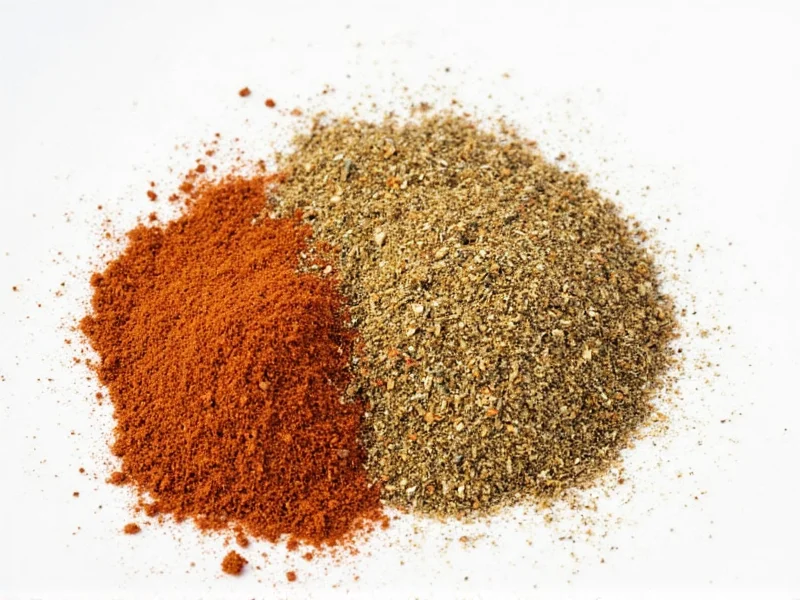
Creating your own Greek seasoning mix unlocks authentic Mediterranean flavors while avoiding preservatives and fillers found in many commercial blends. This versatile spice combination forms the backbone of Greek cuisine, enhancing everything from grilled meats to roasted vegetables with its distinctive herbal profile.
Core Ingredients of Authentic Greek Seasoning
The magic of Greek seasoning lies in its simple yet distinctive herb combination. Unlike generic 'Mediterranean' blends, traditional Greek seasoning features specific ratios that create its characteristic taste. The foundation always includes:
- Dried oregano - The dominant herb, preferably Greek mountain oregano for its robust flavor
- Garlic powder - Provides savory depth without burning during cooking
- Onion powder - Adds subtle sweetness and complexity
- Marjoram - Often mistaken for oregano but has a sweeter, floral note
- Thyme - Contributes earthy, slightly minty undertones
- Rosemary - Use sparingly as it's potent; adds pine-like aroma
- Lemon zest (optional) - Freshens the blend with citrus notes
| Ingredient | Traditional Ratio | Flavor Contribution |
|---|---|---|
| Dried oregano | 2 parts | Earthy, slightly peppery base note |
| Garlic powder | 1 part | Savory umami depth |
| Onion powder | 1 part | Sweet aromatic foundation |
| Marjoram | 1 part | Floral, citrusy complexity |
| Thyme | 1 part | Earthy, slightly minty undertone |
| Rosemary | ½ part | Pine-like aroma (use sparingly) |
| Lemon zest | 1 part | Bright citrus finish (optional) |
Regional Heritage and Protected Status of Key Ingredients
Greek oregano, the cornerstone of authentic Greek seasoning, has gained international recognition for its distinctive quality. Notably, "Oregano of Samos" (Oreganos Samou) received Protected Designation of Origin (PDO) status from the European Commission, underscoring the geographical influence on flavor profiles. This certification legally protects traditional production methods and regional identity.
| Milestone | Date | Significance |
|---|---|---|
| Application Submission | August 7, 2016 | Greek authorities submitted the PDO application for "Oregano of Samos" |
| Publication for Opposition | February 15, 2017 | Published in EU Official Journal, allowing 6 months for objections |
| Official Registration | January 24, 2018 | Registered as PDO (EU No 2018/114), legally protecting regional identity |
Source: European Commission PDO Database Entry for Oregano of Samos
Regional Variations Across Greece
Authentic Greek seasoning adapts to Greece's diverse landscapes, creating distinct regional profiles that influence optimal usage. Understanding these variations prevents culinary missteps and honors traditional practices:
- Coastal Regions (Aegean Islands): Blends feature higher lemon zest and dill to complement seafood. Avoid in meat-heavy dishes from mountain regions as the citrus profile may clash.
- Mountainous Areas (Epirus, Macedonia): Robust herb ratios with extra oregano and minimal citrus, designed for hearty lamb and game meats. Using coastal-style blends here would lack depth.
- Central Greece (Attica, Peloponnese): Balanced profiles with equal herb ratios, versatile for both vegetables and poultry. Most commercial "Greek seasoning" mimics this style.
As emphasized by Greece's National Tourism Organization in their culinary guidelines: "Regional diversity is the soul of Greek cuisine—what works on Santorini may overwhelm a Thessaloniki stew." (Official Greek Tourism: Greek Cuisine)
Key Limitation: Never substitute Greek seasoning in dishes requiring anise notes (e.g., Italian sausages) or sweet spice profiles (e.g., Moroccan tagines), as the herbal dominance will create flavor clashes.
Creating the Perfect Homemade Greek Seasoning Mix
Follow this simple process for consistently excellent results every time you make your own Greek seasoning blend:
Step-by-Step Preparation
- Measure precisely - Use the 2:1:1:1:1:½ ratio (oregano:garlic:onion:marjoram:thyme:rosemary)
- Use quality ingredients - Choose recently purchased dried herbs (within 6 months) for maximum potency
- Toast whole spices first - If using whole dried herbs, toast lightly in a dry pan before grinding
- Mix thoroughly - Combine all ingredients in a small bowl, whisking to ensure even distribution
- Rest before use - Allow the blend to sit in an airtight container for 24 hours to let flavors meld
Optimal Uses for Greek Seasoning in Cooking
Understanding how to properly apply Greek seasoning makes the difference between authentic flavor and overpowering dishes. The best applications include:
- Marinades for proteins - Combine 2 tablespoons Greek seasoning with ¼ cup olive oil and lemon juice for chicken, lamb, or fish
- Roasted vegetables - Toss vegetables with 1-2 teaspoons per pound before roasting at 400°F
- Salad dressings - Whisk 1 teaspoon into olive oil and red wine vinegar dressing
- Hummus and dips - Stir ½ teaspoon into finished hummus or tzatziki
- Rice and grain dishes - Add ½ teaspoon to rice water before cooking
Avoid adding Greek seasoning during high-heat searing, as the delicate herbal compounds can burn and turn bitter. Instead, incorporate it during the last 5-10 minutes of cooking or as a finishing touch.
Storage Techniques for Maximum Freshness
Proper storage maintains your homemade Greek seasoning mix's potency for up to 6 months:
- Store in an airtight glass container away from light and heat
- Keep away from the stove or oven where temperature fluctuates
- Label with creation date to track freshness
- Never store in the refrigerator (moisture degrades dried herbs)
- Refresh old blends by adding ¼ teaspoon of fresh oregano
Common Mistakes to Avoid with Greek Seasoning
Even experienced cooks make these errors when working with Greek seasoning mix:
- Using too much - Greek seasoning should enhance, not dominate; start with 1 teaspoon per pound of meat
- Adding too early - Delicate herbs burn easily; add during final cooking stages
- Using stale spices - Test potency by rubbing between fingers; should release strong aroma
- Mixing with incompatible flavors - Avoid pairing with strong curry or Mexican spices
Homemade vs. Store-Bought Greek Seasoning
While convenient, commercial Greek seasoning blends often contain fillers like cornstarch, anti-caking agents, and excessive salt. Making your own blend ensures:
- Purer flavor without additives
- Customizable salt content
- Fresher, more vibrant taste
- Better value per use
- Ability to adjust for personal taste preferences
When selecting store-bought options, look for blends listing only herbs and spices without additional ingredients. The best commercial versions will specify Greek oregano as the primary ingredient.




 浙公网安备
33010002000092号
浙公网安备
33010002000092号 浙B2-20120091-4