
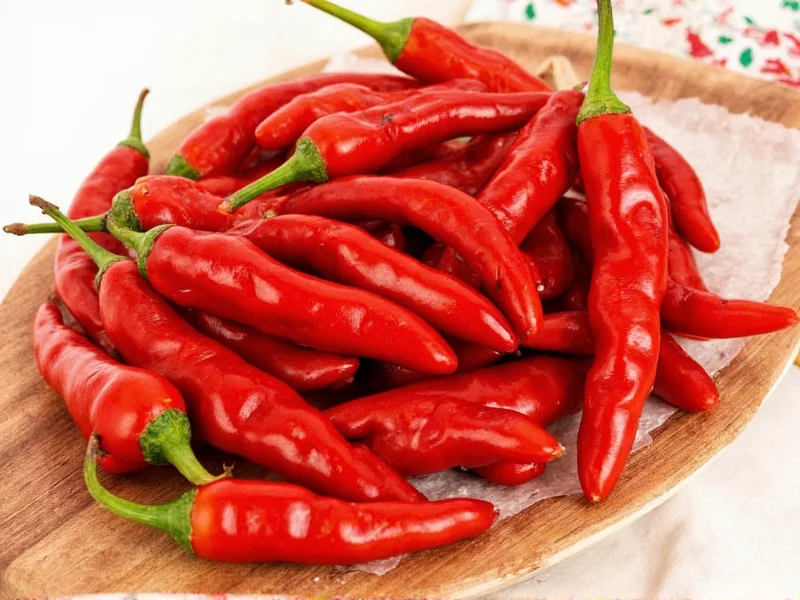
Understanding the precise heat level of Fresno chilies is essential for home cooks and culinary professionals who want to balance flavors in their dishes. These vibrant red or green peppers, often mistaken for jalapeños, bring a distinctive medium heat that enhances recipes without dominating them. Unlike many chili varieties that exist primarily for heat, Fresnos deliver both flavor complexity and manageable spice, making them a staple in many kitchens.
Understanding Fresno Chili Heat Measurement
Fresno chilies register between 2,500 and 10,000 Scoville Heat Units on the standardized Scoville scale, which measures capsaicin concentration—the compound responsible for chili heat. This range positions them just above standard jalapeños (2,500-8,000 SHU) and below serrano peppers (10,000-23,000 SHU). The specific heat level within this range depends on multiple factors including growing conditions, soil composition, and the pepper's maturity stage.
What makes Fresno chilies particularly interesting is their dual personality based on color. Green Fresnos tend to be milder, typically measuring around 2,500-5,000 SHU, while their fully ripened red counterparts often reach the higher end of the spectrum at 7,000-10,000 SHU. This color-heat relationship provides cooks with a natural dial for controlling spice levels in recipes.
Comparing Fresno Chili Heat to Common Peppers
Understanding where Fresno chilies fall in the pepper heat hierarchy helps cooks make informed substitutions and flavor decisions. The following comparison provides context for their heat level:
| Pepper Variety | Scoville Heat Units (SHU) | Heat Level Description |
|---|---|---|
| Fresno chili | 2,500-10,000 | Medium heat with bright flavor |
| Jalapeño | 2,500-8,000 | Mild to medium heat |
| Serrano | 10,000-23,000 | Medium-hot |
| Habanero | 100,000-350,000 | Very hot |
| Bell pepper | 0 | No heat |
This comparison shows why Fresno chilies serve as an excellent middle ground between mild jalapeños and hotter serranos. When substituting in recipes, understanding these heat relationships prevents dishes from becoming unexpectedly spicy or disappointingly bland. The "fresno chili heat level compared to jalapeno" question frequently arises because of their visual similarity, yet Fresnos generally deliver slightly more heat and a fruitier flavor profile.
Factors Influencing Fresno Chili Heat Variation
Several elements affect the actual heat level you'll experience when using Fresno chilies:
- Ripeness: As mentioned, green Fresnos are milder than red ones. The longer they stay on the plant, the more capsaicin develops.
- Growing conditions: Stress factors like water scarcity or temperature extremes can increase heat levels significantly.
- Plant genetics: Different cultivars produce varying heat levels even under identical conditions.
- Part of the pepper: The placenta (white ribs and seeds) contains the highest concentration of capsaicin.
When purchasing Fresnos, remember that two peppers from the same batch can differ in heat. This natural variation explains why some "fresno pepper heat range" discussions emphasize testing a small piece before committing to a recipe. The "how hot are fresno chilies scoville" question doesn't have a single definitive answer due to these variables.
Historical Evolution of Fresno Chilies
Tracing the development of Fresno chilies reveals key milestones that shaped their culinary role. Bred in 1952 by USDA plant scientist Clarence Brown Gadberry in Fresno, California, this variety was specifically engineered as a milder alternative to serranos while retaining complex flavor notes. According to New Mexico State University's Chile Pepper Institute—a globally recognized authority on Capsicum research—the Fresno quickly became integral to California's agricultural economy, with commercial production expanding from 500 acres in 1960 to over 8,000 acres by 1985 as demand grew for fresh-market peppers. Unlike heirloom varieties like jalapeños (cultivated for centuries in Mesoamerica), Fresnos represent a mid-20th century innovation focused on consistency for American kitchens, explaining their prevalence in contemporary fusion cuisine but relative absence in traditional Mexican dishes where regional landraces dominate.
Culinary Context and Limitations of Fresno Chilies
While versatile, Fresno chilies have specific application boundaries that impact recipe success. Per University of California Agriculture and Natural Resources guidelines, they excel in fresh preparations like salsas, ceviche, and raw garnishes where their bright acidity and moderate heat shine, but degrade rapidly in prolonged cooking—unlike jalapeños, whose thicker walls withstand stewing. Critical limitations include:
- Texture constraints: Thin-skinned Fresnos become mushy in soups/stews after 20+ minutes of simmering (versus jalapeños' 45+ minute stability), making them unsuitable for slow-cooked dishes.
- Flavor threshold: Their delicate fruity notes disappear above 175°F (80°C), restricting use in high-heat applications like stir-fries where serranos perform better.
- Regional substitution limits: In authentic Mexican moles requiring earthy depth, Fresnos cannot replace dried chiles like ancho or mulato due to incompatible flavor chemistry.
These context boundaries, documented in UC ANR's evidence-based culinary protocols, prevent common substitution errors that compromise dish integrity.
Culinary Applications of Fresno Chilies' Heat Profile
The moderate heat of Fresno chilies makes them exceptionally versatile in cooking. Unlike extremely hot peppers that primarily contribute heat, Fresnos offer both spice and flavor complexity. Their heat level allows them to enhance dishes without overwhelming other ingredients—a quality that distinguishes them from hotter alternatives.
Chefs appreciate Fresnos for salsas, sauces, and relishes where jalapeños might be too mild but serranos too intense. The "fresno chili heat units" make them ideal for dishes requiring noticeable spice that won't dominate the palate. When substituting, remember that "are fresno chilies hotter than jalapenos" is generally true, so you may need fewer Fresnos to achieve similar heat levels.
For home cooks wondering "fresno pepper vs serrano heat," consider that Fresnos provide about half the heat of serranos on average. This difference matters significantly in recipes where precise heat control is crucial. The fruitier notes in Fresnos also complement different flavor profiles compared to the grassier serrano.
Handling Fresno Chilies Safely
Despite their medium heat rating, proper handling of Fresno chilies prevents discomfort. Always wear gloves when preparing large quantities, and avoid touching your face. The capsaicin oils can transfer to sensitive areas, causing irritation. If you experience burning, dairy products like milk or yogurt neutralize capsaicin more effectively than water.
When adjusting heat levels in recipes using Fresnos, remember that removing seeds and white membranes significantly reduces spice while preserving flavor. This technique proves valuable when cooking for varied heat tolerances. Understanding these practical aspects of "cooking with fresno chilies heat level" ensures successful culinary results every time.




 浙公网安备
33010002000092号
浙公网安备
33010002000092号 浙B2-20120091-4