
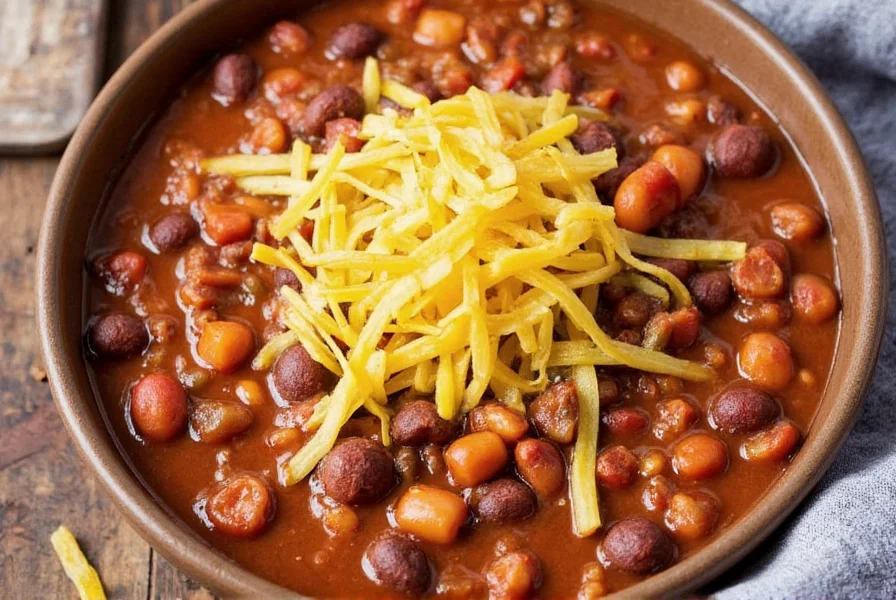
When planning your next chili meal, selecting the right accompaniments can transform a simple bowl into a complete, satisfying dining experience. The best side dishes for chili create balance—cooling elements to counter spice, contrasting textures to complement the hearty stew, and complementary flavors that enhance rather than compete with your main dish.
The Science Behind Perfect Chili Pairings
Understanding why certain sides work well with chili begins with flavor chemistry and sensory balance. Chili's rich, spicy profile benefits from sides that offer:
- Cooling elements to balance heat (dairy-based sides or fresh ingredients)
- Textural contrast against the thick, chunky consistency of chili
- Temperature variation between hot chili and room-temperature or chilled sides
- Flavor counterpoints like acidity or sweetness to cut through richness
These principles apply whether you're serving traditional Texas-style beef chili, Cincinnati-style with spaghetti, vegetarian three-bean chili, or white chicken chili. The specific type of chili you're preparing should guide your side dish selection for optimal pairing.
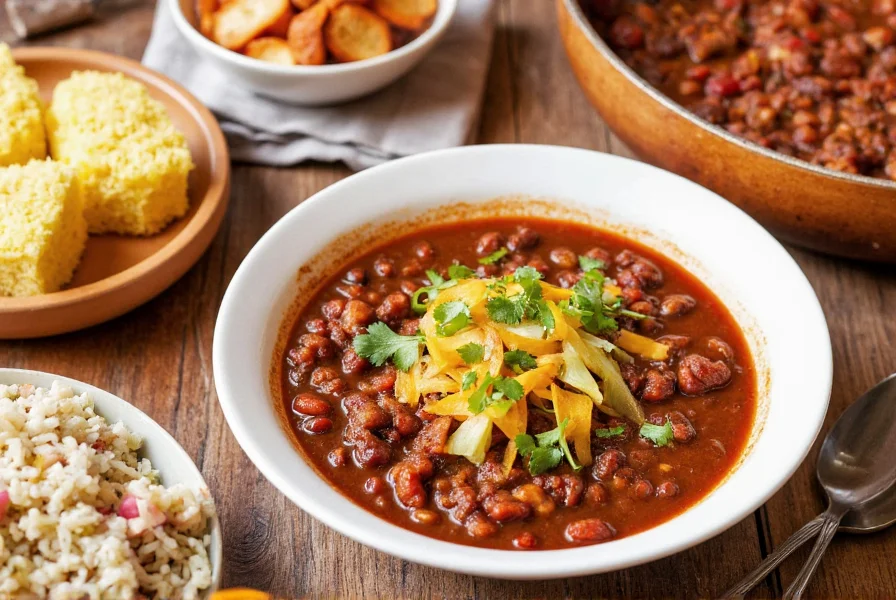
Top Side Dishes for Chili: Categorized Recommendations
| Category | Best Options | Why They Work |
|---|---|---|
| Classic Pairings | Cornbread, rice, tortilla chips | Absorb excess liquid while providing comforting starch contrast |
| Fresh & Light Options | Green salad, coleslaw, avocado slices | Cut through richness with acidity and provide cooling contrast |
| Hearty Additions | Baked potatoes, sweet potatoes, corn | Complement chili's heartiness for extra-satisfying meals |
| Quick & Easy Sides | Canned beans, pre-made slaw, store-bought cornbread | Minimal preparation while still providing balanced accompaniments |
Classic Pairings That Never Disappoint
Cornbread remains the most traditional side for good reason—it offers a slightly sweet contrast to savory chili while providing the perfect vehicle for scooping. For best side dishes for beef chili, consider a simple cornbread recipe with a touch of honey or maple syrup to balance the heat.
Rice serves as an excellent neutral base that absorbs chili flavors without competing. When serving what to serve with vegetarian chili, try cilantro-lime rice for an extra flavor dimension that complements beans and vegetables.
Fresh Options for Balanced Meals
A simple green salad with a light vinaigrette provides essential freshness that cuts through chili's richness. For those wondering what pairs well with white chicken chili, a citrus-avocado salad offers the perfect creamy-acidic balance.
Coleslaw works particularly well with Cincinnati-style chili or chili served over spaghetti. The cool, creamy texture contrasts beautifully with spicy meat sauces. When preparing easy side dishes for chili night, a quick vinegar-based slaw requires minimal preparation while delivering maximum flavor contrast.

Specialized Pairings by Chili Type
Different chili varieties benefit from tailored side dishes:
- Texas-style chili: Simple sides like cornbread or saltine crackers let the pure meat flavor shine
- Cincinnati chili: Spaghetti as the base with oyster crackers and cheese on top
- Vegetarian chili: Hearty sides like roasted sweet potatoes or quinoa salad add complementary protein
- White chicken chili: Lighter sides such as citrus slaw or avocado salad enhance the delicate flavors
- Spicy chili: Cooling sides like sour cream-topped baked potatoes or cucumber salad provide relief
When selecting healthy side options for chili, focus on fresh vegetables, whole grains, and lean proteins that complement without overwhelming your main dish.
Common Pairing Mistakes to Avoid
Even experienced cooks sometimes make these chili side dish errors:
- Overpowering flavors: Avoid sides with strong competing flavors that distract from your chili
- Texture conflicts: Don't serve multiple mushy sides with already-textured chili
- Temperature mismatches: Extremely cold sides can dull chili's aromatic compounds
- Excessive richness: Avoid multiple heavy, fatty components in one meal
For chili serving suggestions for parties, offer 2-3 side options representing different categories to accommodate various preferences while maintaining balance.
Regional and Dietary Context Boundaries
Pairing effectiveness varies significantly based on regional traditions and dietary requirements. In Cincinnati, chili served over spaghetti with oyster crackers is standard per local custom, while this combination would seem unusual in Texas where chili is served "straight up" [1]. For gluten-free diets, traditional cornbread requires substitution with certified gluten-free cornmeal blends as recommended by the Celiac Disease Foundation to prevent cross-contamination [2]. Similarly, vegan chili pairings must replace dairy cooling elements with avocado or coconut yogurt to maintain nutritional balance per Academy of Nutrition and Dietetics guidelines [3]. These context boundaries demonstrate why "one-size-fits-all" pairing advice often fails in real-world applications.
[1] Texas State Historical Association. "Chili." https://www.tshaonline.org/handbook/entries/chili | [2] Celiac Disease Foundation. "Gluten-Free Cornbread." https://celiac.org/gluten-free-living/gluten-free-recipes/gluten-free-cornbread/ | [3] Academy of Nutrition and Dietetics. "Vegetarian Chili Recipe." https://www.eatright.org/food/recipes/vegetarian-chili
Consumer Preference Evolution Timeline
Chili side dish preferences have evolved through distinct historical phases reflecting cultural shifts:
| Era | Popular Sides | Cultural Drivers |
|---|---|---|
| 1880s-1920s | Hardtack, saltine crackers | Chili con carne as street food for laborers; portable, non-perishable sides |
| 1930s-1950s | Cornbread, shredded cheese | Great Depression home cooking; regional Southern influences |
| 1960s-1990s | Rice, sour cream, avocado | Tex-Mex restaurant boom; California health food movement |
| 2000s-Present | Quinoa, cauliflower rice, plant-based toppings | Rise of dietary restrictions; farm-to-table movement |
This evolution, documented by food historians at the National Museum of American History, shows how chili pairings continuously adapt to nutritional trends and cultural influences [4]. Modern pairings increasingly prioritize dietary accommodation without sacrificing traditional flavor principles.
[4] National Museum of American History. "Food: Transforming the American Table." https://americanhistory.si.edu/food
Practical Pairing Guide for Everyday Cooking
When time is limited, focus on the best bread to serve with chili—a simple cornbread or crusty roll requires minimal effort but significantly elevates your meal. For weeknight dinners, keep a few pantry staples on hand:
- Canned black beans (rinsed and warmed)
- Premade coleslaw mix
- Boxed cornbread mix
- Frozen corn (thawed and lightly sautéed)
These quick chili accompaniments transform basic chili into a well-rounded meal in under 15 minutes. Remember that the simplest sides often work best—they provide contrast without distracting from your carefully crafted chili.




 浙公网安备
33010002000092号
浙公网安备
33010002000092号 浙B2-20120091-4