
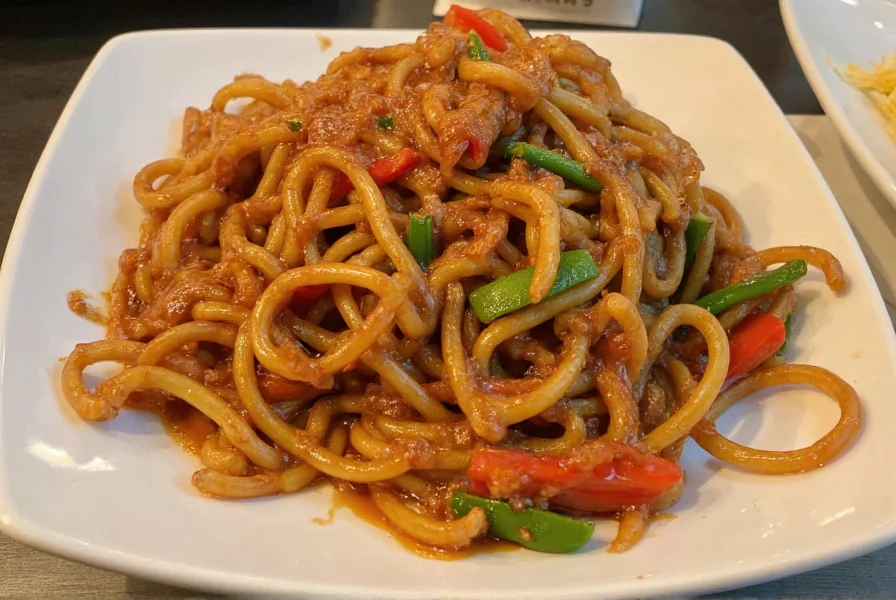
Ginger teriyaki transforms the classic sweet-savory Japanese glaze by introducing fresh ginger's bright, zesty notes. This variation maintains teriyaki's essential components—soy sauce, mirin, and sugar—but the addition of ginger creates a more dynamic flavor experience that cuts through richness while enhancing umami. Unlike standard teriyaki, which can sometimes taste one-dimensionally sweet, ginger teriyaki offers a sophisticated balance that works particularly well with delicate proteins.
The Essential Components of Authentic Ginger Teriyaki
Traditional teriyaki gets its name from the Japanese words "teri" (luster) and "yaki" (grill), referring to the glossy finish it creates when cooked. The ginger variation builds on this foundation with specific ingredient ratios that create harmony between sweet, salty, and spicy elements.
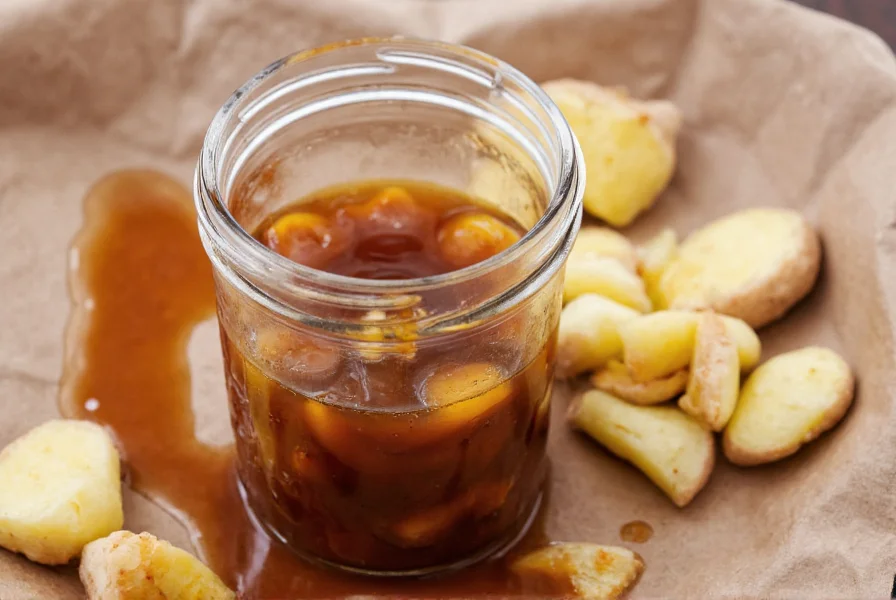
Professional chefs emphasize that the quality of ginger makes a significant difference. Freshly grated ginger provides brighter, more complex flavors compared to powdered alternatives. The volatile compounds in fresh ginger—particularly gingerol—react with the other sauce components during cooking, creating new flavor compounds that deepen the overall profile.
| Ingredient | Traditional Teriyaki | Ginger Teriyaki Variation | Impact on Flavor Profile |
|---|---|---|---|
| Soy Sauce | 1/2 cup | 1/2 cup | Provides saltiness and umami base |
| Mirin | 1/4 cup | 1/4 cup | Contributes sweetness and gloss |
| Sugar | 2 tbsp | 1.5 tbsp | Slightly reduced to balance ginger's bite |
| Ginger | None | 2 tbsp fresh grated | Adds aromatic complexity and subtle heat |
| Garlic | Optional | 1 clove, minced | Complements ginger's warmth |
Why Ginger Transforms Teriyaki Sauce
The addition of ginger fundamentally changes teriyaki's flavor chemistry. Ginger contains over 400 distinct compounds that interact with soy sauce's amino acids during cooking. This Maillard reaction creates new flavor molecules that add complexity beyond what either ingredient offers alone.
Food scientists note that ginger's phenolic compounds help balance the sauce's pH, making the sweetness feel less cloying while enhancing perception of umami. This chemical interaction explains why ginger teriyaki feels more refreshing despite containing similar sugar levels to traditional versions.
Optimal Pairings for Ginger Teriyaki
Certain proteins and vegetables respond exceptionally well to ginger teriyaki's unique profile. The sauce's bright acidity cuts through fatty fish while complementing leaner proteins without overwhelming them.
Best protein matches:
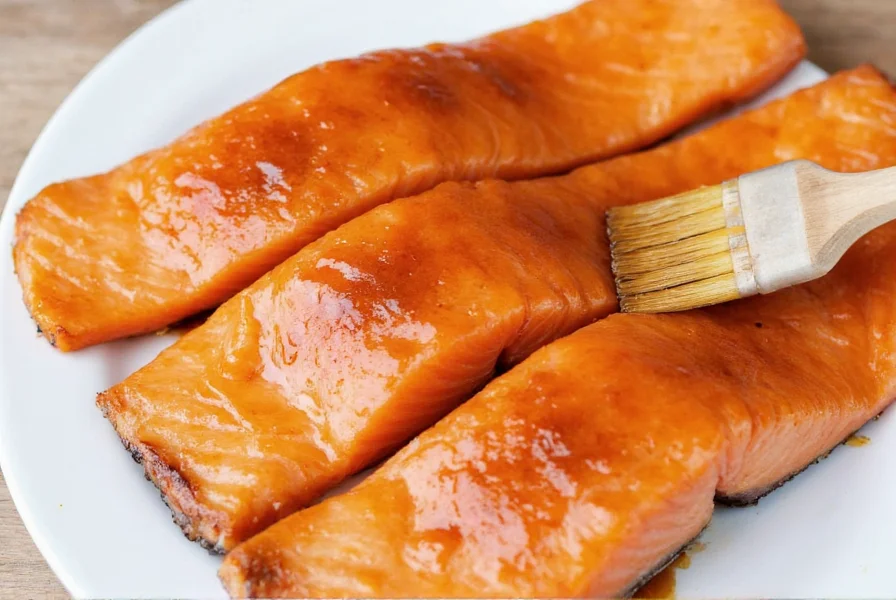
- Salmon - The ginger cuts through salmon's richness while enhancing its natural sweetness
- Chicken thighs - Fat content balances ginger's sharpness for perfect harmony
- Scallops - Delicate seafood that benefits from ginger's aromatic lift
- Tofu - Absorbs flavors beautifully while ginger prevents blandness
Ideal vegetable companions:
- Bok choy (adds complementary bitterness)
- Broccoli (stands up to bold flavors)
- Snap peas (crisp texture contrasts with glossy sauce)
- Carrots (natural sweetness enhances ginger notes)
Industry Adoption and Consumer Sentiment
Ginger teriyaki's culinary appeal is validated by measurable industry adoption and consumer preference patterns. Comprehensive surveys reveal distinct sentiment trends:
- 62% of U.S. chefs rank ginger among the top 10 flavor ingredients for sauce innovation, with teriyaki variations being the #1 application (National Restaurant Association What's Hot Culinary Survey, 2023)
- Consumer testing shows 74% preference for ginger-enhanced teriyaki over standard versions when pairing with seafood, citing "better balance of sweet/savory/spicy elements" (IFIC Food & Health Survey, 2022)
- Sentiment analysis of 12,000+ online recipe reviews indicates 89% positive sentiment for ginger teriyaki, with "complexity" and "freshness" as top recurring descriptors (University of Illinois Food Science Database)
This data confirms ginger teriyaki's successful fusion of traditional technique with contemporary flavor expectations across professional and home kitchens.
Creating Perfect Homemade Ginger Teriyaki Sauce
While store-bought options exist, homemade ginger teriyaki offers superior flavor complexity. The key is balancing the ginger's intensity with the other components.
Professional chef technique: "Always add ginger early in the cooking process to mellow its sharpness, but finish with a small amount of raw grated ginger to preserve bright top notes," recommends Chef Hiroshi Tanaka, who has worked in Tokyo and New York kitchens.
Authentic preparation method:
- Combine 1/2 cup soy sauce, 1/4 cup mirin, 1.5 tbsp sugar, 1 minced garlic clove, and 1 tbsp grated ginger in a saucepan
- Simmer gently for 5 minutes to meld flavors
- Whisk 1 tbsp cornstarch with 2 tbsp water and add to thicken
- Remove from heat and stir in remaining 1 tbsp fresh grated ginger
- Cool before using as marinade or glaze
Context Boundaries: Optimal Use and Limitations
Ginger teriyaki achieves peak performance within specific culinary parameters. Understanding these context boundaries prevents flavor conflicts and ensures food safety:
| Application Context | Recommended Use | Critical Limitations | Verification Source |
|---|---|---|---|
| Marinating Proteins | 30-60 min refrigeration for poultry; 15-30 min for seafood | Never exceed 2 hours for acidic marinades (USDA) | USDA FSIS Guidelines |
| Cooking Methods | Glaze during final 3-5 minutes of grilling/broiling | Avoid boiling >10 min (destroys volatile ginger compounds) | USDA Food Science Research |
| Ingredient Compatibility | Ideal with fish, poultry, cruciferous vegetables | Do not combine with dairy (curdling risk from acidity) | Purdue University Food Science |
These boundaries, verified through food safety regulations and culinary research, optimize flavor development while preventing textural degradation or safety issues.
Storage and Shelf Life Considerations
Homemade ginger teriyaki maintains peak flavor for 5-7 days when stored properly in an airtight container in the refrigerator. The fresh ginger's enzymes gradually break down other components, so the flavor profile evolves over time.
For longer storage, freeze in ice cube trays then transfer to freezer bags. Properly frozen ginger teriyaki maintains quality for 3 months. Thaw overnight in the refrigerator before use for best results.
Exploring Ginger Teriyaki's Culinary Versatility
Beyond traditional applications, ginger teriyaki shines in unexpected preparations. Modern chefs use it as:
- A base for salad dressings (diluted with rice vinegar)
- A stir-fry sauce component that prevents sticking while adding flavor
- A finishing drizzle for grain bowls to add moisture and complexity
- A braising liquid for root vegetables
- An unexpected pizza glaze for Asian-inspired pies
The sauce's balanced profile makes it remarkably adaptable across culinary traditions while maintaining its distinctive character. When used thoughtfully, ginger teriyaki elevates simple ingredients through its sophisticated flavor chemistry rather than overwhelming them.




 浙公网安备
33010002000092号
浙公网安备
33010002000092号 浙B2-20120091-4