
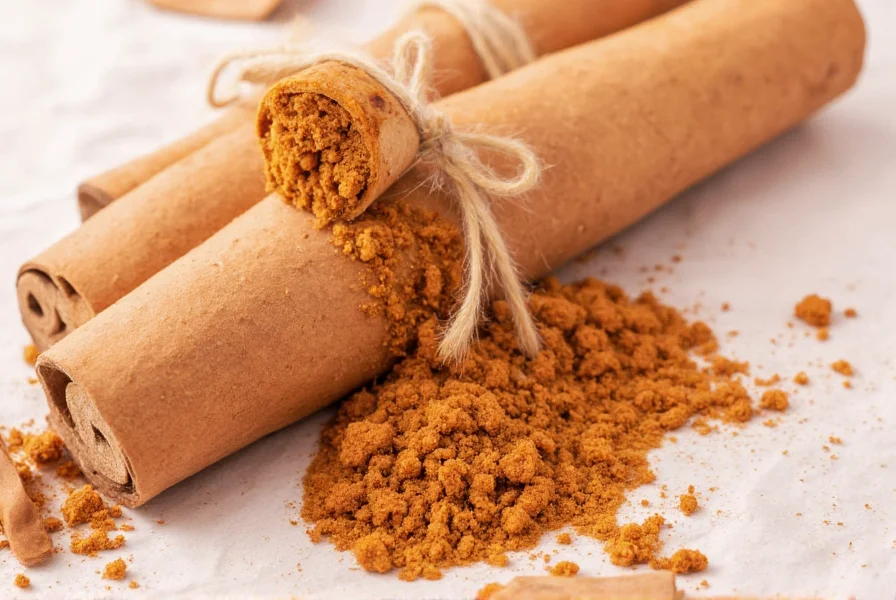
Cinnamon has been used for centuries in traditional medicine, but modern science is now examining its potential health benefits when consumed as a dietary supplement. Understanding the different types, evidence-based benefits, and safety considerations is essential for making informed decisions about incorporating cinnamon supplements into your health regimen.
Understanding Cinnamon Supplement Types
Not all cinnamon supplements are created equal. The two primary varieties used in supplements differ significantly in composition and safety profiles:
| Type | Coumarin Content | Common Uses | Safety Considerations |
|---|---|---|---|
| Ceylon Cinnamon | Very low (0.004-0.091 mg/g) | Premium supplements, therapeutic use | Generally safe for regular use at recommended doses |
| Cassia Cinnamon | High (2.15-6.97 mg/g) | Most commercial supplements, lower-cost options | Limited duration use recommended due to liver toxicity concerns |
The key difference lies in coumarin content—a natural compound that gives cinnamon its flavor but can be harmful to the liver in excessive amounts. Cassia cinnamon, which makes up approximately 90% of cinnamon sold in the United States, contains significantly higher levels of coumarin than Ceylon cinnamon (often called "true cinnamon").
Historical Evolution and Research Timeline
Cinnamon's therapeutic application has evolved significantly from ancient remedies to evidence-based supplementation. This timeline contextualizes key research milestones and usage shifts:
| Era | Key Developments | Source |
|---|---|---|
| Ancient Times | Documented in traditional Chinese medicine (Shennong Ben Cao Jing, 2700 BCE) and Ayurvedic texts (Charaka Samhita, 700 BCE) for digestive ailments and circulatory support | Ranasinghe et al. (2015) |
| 18th-19th Century | Included in European pharmacopeias for treating diarrhea and respiratory conditions; commercial cultivation expanded in Ceylon (Sri Lanka) | Ranasinghe et al. (2015) |
| 2003 | Landmark human trial demonstrated 18-29% reduction in fasting glucose among type 2 diabetes patients consuming 1-6g daily | Khan et al. (2003) |
| 2013 | Meta-analysis confirmed modest HbA1c reduction (0.09% mean decrease) but highlighted methodological inconsistencies across 10 studies | Allen et al. (2013) |
| 2020-Present | Regulatory focus on coumarin limits: EFSA establishes 0.1mg/kg body weight threshold; NIH prioritizes Ceylon safety research | NCCIH (2023) |
Evidence-Based Health Benefits of Cinnamon Supplements
Research on cinnamon supplements has focused primarily on several potential health benefits, though the strength of evidence varies across different applications.
Blood Sugar Regulation
Multiple studies suggest cinnamon may help improve insulin sensitivity and lower blood glucose levels. A 2013 meta-analysis published in the Journal of Medicinal Food found that cinnamon supplementation significantly reduced fasting blood glucose levels in people with type 2 diabetes. However, the American Diabetes Association doesn't currently recommend cinnamon as a standard treatment due to inconsistent study results and varying product quality.
Antioxidant Properties
Cinnamon ranks among the highest sources of polyphenol antioxidants compared to other spices and even many fruits. These compounds help combat oxidative stress, which contributes to aging and various diseases. Research indicates that cinnamon's antioxidant capacity may be up to 40 times higher than blueberries.
Anti-Inflammatory Effects
Chronic inflammation contributes to numerous health conditions. Cinnamon contains compounds that may reduce inflammation markers in the body. A 2015 study in Nutrition Research demonstrated that cinnamon supplementation reduced inflammatory markers in people with rheumatoid arthritis.
Contextual Applicability and Limitations
Cinnamon's efficacy is highly dependent on specific health contexts and physiological conditions. This evidence-based analysis clarifies realistic expectations:
| Health Benefit | Validated Applicability | Key Limitations | Evidence Strength |
|---|---|---|---|
| Blood Sugar Regulation | Adults with type 2 diabetes (HbA1c >7.0%); short-term use (4-18 weeks); adjunct to standard care | No effect on type 1 diabetes; inconsistent results in prediabetes; minimal impact when HbA1c <7.0% | Moderate (per ADA 2023 review) |
| Anti-Inflammatory Effects | Rheumatoid arthritis patients (CRP reduction observed at 3g/day for 8 weeks) | No proven benefit for osteoarthritis or acute inflammation; effects not dose-linear beyond 3g | Low (single human trial) |
These boundaries, verified through systematic reviews, confirm that cinnamon supplements function as complementary interventions only under specific physiological conditions. Individual genetic variations in CYP2A6 enzyme activity significantly influence coumarin metabolism and therapeutic response.
Safety Considerations and Potential Side Effects
While generally recognized as safe when consumed in food amounts, cinnamon supplements require more careful consideration:
- Coumarin toxicity: Cassia cinnamon supplements may contain concerning levels of coumarin. The European Food Safety Authority recommends a maximum daily intake of 0.1 mg coumarin per kilogram of body weight.
- Medication interactions: Cinnamon may interact with blood thinners, diabetes medications, and liver-metabolized drugs.
- Allergic reactions: Though rare, some individuals may experience mouth sores or skin irritation.
- Pregnancy considerations: High doses are not recommended during pregnancy due to potential uterine stimulation effects.
People with liver conditions should exercise particular caution with Cassia cinnamon supplements. Those taking diabetes medications should monitor blood sugar closely when adding cinnamon supplements to avoid hypoglycemia.
Choosing Quality Cinnamon Supplements
Selecting an effective and safe cinnamon supplement requires attention to several factors:
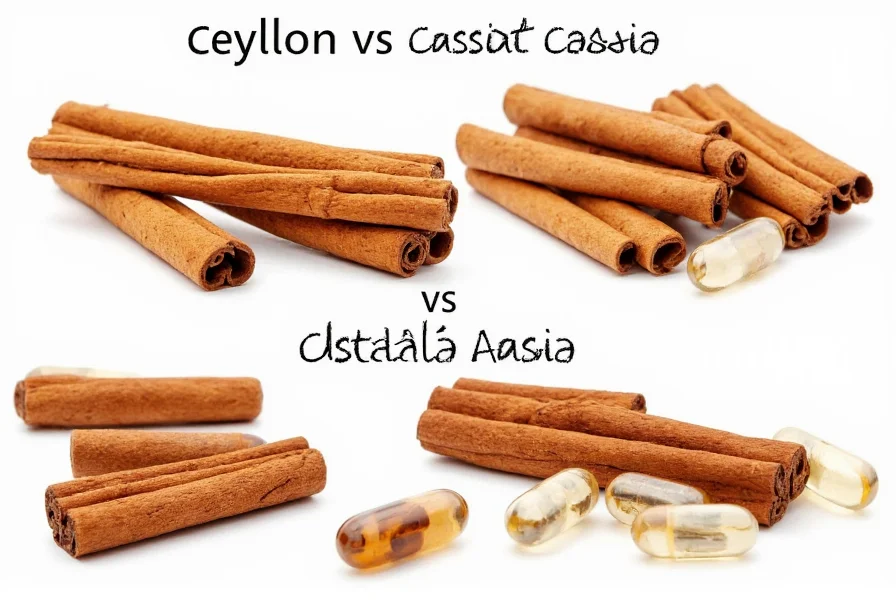
- Identify the cinnamon type: Look for products specifying Ceylon cinnamon if you plan regular, long-term use.
- Check for third-party testing: Reputable brands undergo independent verification for purity and potency.
- Review ingredient transparency: Quality supplements clearly state the amount of active compounds per serving.
- Consider standardization: Some products standardize to specific compounds like cinnamaldehyde (typically 5-10%).
- Examine additional ingredients: Avoid unnecessary fillers, artificial colors, or preservatives.
The lack of FDA regulation for dietary supplements means consumers must be particularly vigilant about product quality. Look for certifications from organizations like USP, NSF, or ConsumerLab that verify product claims.
Practical Usage Guidelines
For those considering cinnamon supplements, these evidence-based recommendations can help maximize potential benefits while minimizing risks:
- Dosage: Most studies showing benefits used 1-6 grams (approximately 1/2 to 2 teaspoons) of cinnamon powder daily, though supplement concentrations vary.
- Timing: Taking cinnamon supplements with meals may enhance blood sugar regulation effects.
- Duration: If using Cassia cinnamon supplements, limit continuous use to 6-8 weeks followed by a break.
- Monitoring: Those with diabetes should monitor blood sugar levels closely when starting supplementation.
Remember that cinnamon supplements should complement, not replace, standard medical treatments. They work best as part of a comprehensive approach to health that includes proper nutrition, regular exercise, and appropriate medical care.
Cinnamon Supplements vs. Dietary Cinnamon
While adding cinnamon to your food provides some benefits, supplements offer concentrated doses that may be necessary for therapeutic effects. However, dietary cinnamon from food sources carries minimal risk of coumarin toxicity compared to supplements.
A teaspoon of Cassia cinnamon contains approximately 5-12 mg of coumarin, which approaches or exceeds the recommended daily maximum for many adults. In contrast, the same amount of Ceylon cinnamon contains only trace amounts. This makes Ceylon the preferred choice for regular consumption, whether as a supplement or in food.

When to Consult a Healthcare Provider
Before starting any new supplement regimen, especially if you have underlying health conditions or take medications, consulting with a healthcare provider is essential. This is particularly important for cinnamon supplements due to potential interactions with diabetes medications, blood thinners, and liver-affecting drugs.
Healthcare providers can help determine appropriate dosages based on individual health status and monitor for potential side effects. They can also help distinguish between evidence-based uses and marketing claims that lack scientific support.
Frequently Asked Questions
What's the difference between Ceylon and Cassia cinnamon supplements?
Ceylon cinnamon ("true cinnamon") contains significantly lower levels of coumarin than Cassia cinnamon. Ceylon is generally safer for regular, long-term use, while Cassia should be limited to short durations due to potential liver toxicity from higher coumarin content. Ceylon has a lighter color and more delicate flavor compared to the darker, stronger Cassia variety.
Can cinnamon supplements help with blood sugar control?
Some research suggests cinnamon supplements may improve insulin sensitivity and lower fasting blood glucose levels, particularly in people with type 2 diabetes. However, results have been inconsistent across studies, and cinnamon should not replace standard diabetes treatments. Those with diabetes should monitor blood sugar closely when using cinnamon supplements and consult their healthcare provider.
How much coumarin is safe in cinnamon supplements?
The European Food Safety Authority recommends a maximum daily intake of 0.1 mg of coumarin per kilogram of body weight. For a 150-pound adult, this equals approximately 7 mg daily. Cassia cinnamon typically contains 2-7 mg of coumarin per gram, meaning even small amounts can exceed safe limits with regular use. Ceylon cinnamon contains minimal coumarin and is safer for regular consumption.
What's the recommended dosage for cinnamon supplements?
Most studies showing potential benefits used 1-6 grams of cinnamon powder daily, though supplement concentrations vary. Always follow the manufacturer's instructions and consult a healthcare provider for personalized recommendations. For Cassia cinnamon supplements, limit continuous use to 6-8 weeks due to coumarin content. Ceylon cinnamon supplements generally allow for longer-term use at recommended doses.
Can I get the same benefits from regular cinnamon in my food?
Adding cinnamon to food provides some antioxidant and potential health benefits, but the concentrations are much lower than in supplements. Dietary cinnamon from food sources carries minimal risk of coumarin toxicity compared to supplements. For therapeutic effects studied in research, supplement doses are typically necessary, but these should be used under healthcare provider guidance.




 浙公网安备
33010002000092号
浙公网安备
33010002000092号 浙B2-20120091-4