
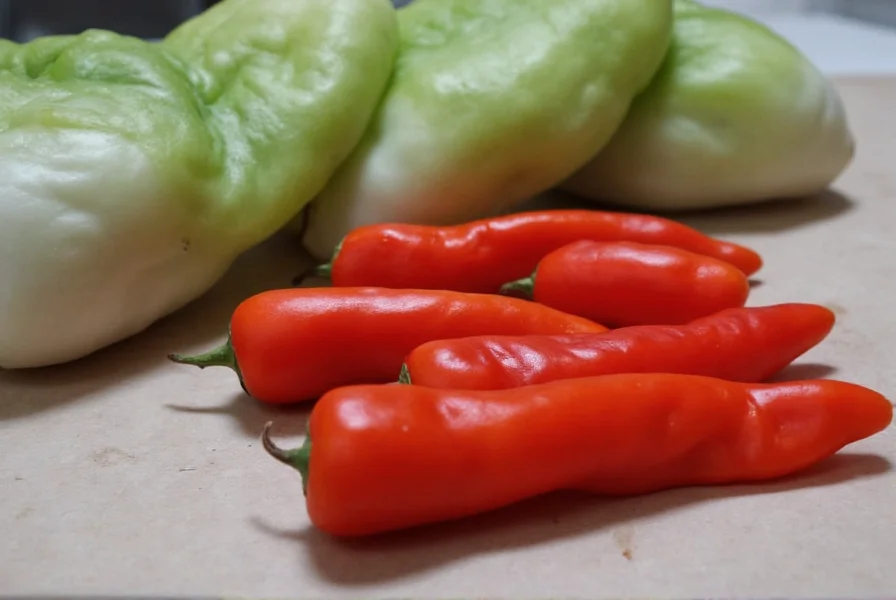
When you can't find Fresno peppers at your local market, knowing the right substitute makes all the difference in your cooking. These vibrant red or green chilies, measuring 2,500-10,000 on the Scoville scale, offer a perfect balance of moderate heat and bright, slightly sweet flavor that works beautifully in salsas, sauces, and stuffed pepper recipes. Understanding which alternative matches both the heat level and flavor profile of Fresno peppers ensures your dishes maintain their intended character.
Understanding Fresno Peppers
Fresno peppers sit between jalapeños and serranos on the heat spectrum, typically ranging from 2,500 to 10,000 Scoville Heat Units (SHU). When mature and red, they develop a slightly sweeter, fruitier flavor compared to their green counterparts. Their thin walls and tapered shape make them ideal for slicing, dicing, or stuffing. Commonly used in Mexican and Southwestern cuisine, they're essential for authentic-tasting salsas, ceviche, and pepper jack cheese.
Top 5 Fresno Pepper Substitutes Ranked
| Pepper | Heat Level (SHU) | Flavor Profile | Best For | Substitution Ratio |
|---|---|---|---|---|
| Jalapeño | 2,500-8,000 | Grassy, bright with earthy notes | Salsas, nacho toppings, pickling | 1:1 (use red jalapeños for closer match) |
| Serrano | 10,000-23,000 | Sharp, bright, more intense heat | Hot sauces, pico de gallo, guacamole | Use ½ to ⅔ the amount of Fresno |
| Poblano | 1,000-2,000 | Earthy, mild, slightly sweet | Stuffed peppers, rajas, mole sauces | Use 1.5x amount for similar heat impact |
| Banana Pepper | 0-500 | Sweet, tangy, very mild | Pickled applications, sandwiches, salads | Add pinch of cayenne for heat |
| Anaheim | 500-2,500 | Grassy, mild with subtle sweetness | Roasted pepper dishes, stews, casseroles | Use 1:1 with added heat source |
Detailed Substitute Analysis
Jalapeños: The Closest Match for Most Recipes
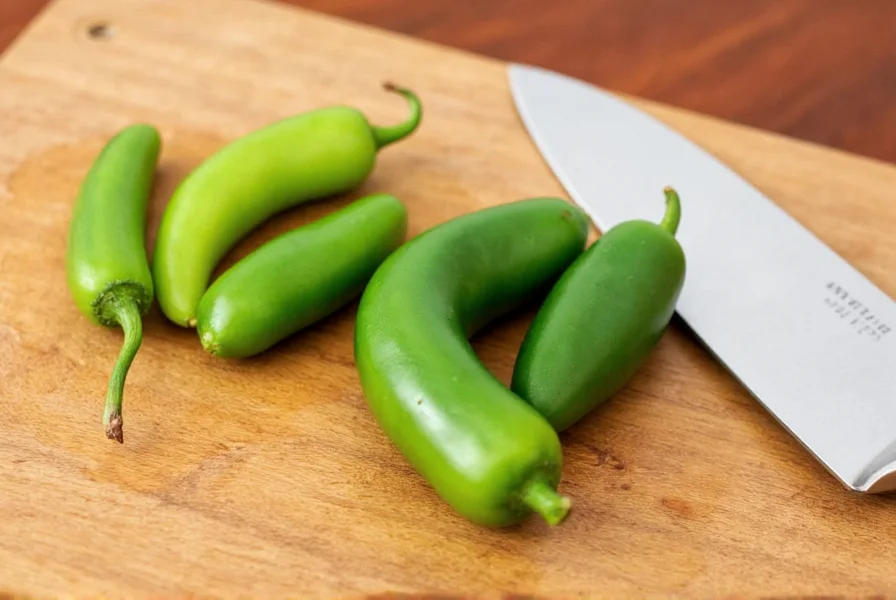
When searching for the best substitute for fresno peppers in salsa, jalapeños emerge as the top choice. Their similar heat range (2,500-8,000 SHU) and bright flavor profile make them nearly interchangeable in most applications. For optimal results, select fully red jalapeños which develop the sweetness characteristic of mature Fresnos. The main difference lies in jalapeños' slightly thicker walls, which may affect texture in raw applications like pico de gallo. When using jalapeños as a fresno pepper alternative for stuffed peppers, consider removing more seeds to match Fresno's moderate heat.
Serranos: For When You Want More Heat
Serrano peppers deliver significantly more heat (10,000-23,000 SHU) while maintaining the bright, grassy flavor notes of Fresnos. This makes them ideal when you want to intensify a dish's spiciness without compromising flavor integrity. When substituting serranos for fresno peppers in hot sauce recipes, use about two-thirds the amount called for. Their thinner walls and similar shape make them excellent for slicing into rings for nachos or blending into creamy sauces where texture matters less.
Poblanos: The Milder Alternative
For those seeking a mild pepper substitute for fresno peppers, poblanos offer the closest flavor profile with significantly less heat (1,000-2,000 SHU). While noticeably milder, their earthy, slightly sweet characteristics work well in cooked applications where heat diminishes during preparation. When using poblanos as a fresno pepper alternative for stuffed peppers, consider adding a small amount of cayenne or chipotle powder to approximate the original heat level. Roasting poblanos first enhances their natural sweetness, making them particularly suitable for rajas con crema or chiles rellenos.
Recipe-Specific Substitution Guide
Salsas and Fresh Applications
For fresh salsas where texture and raw heat matter most, jalapeños remain the superior choice. Remove the inner membranes and some seeds to better match Fresno's moderate heat. When making pico de gallo, finely diced red jalapeños provide the closest visual match to ripe red Fresnos. For those wondering what pepper can I use instead of fresno in fresh applications, serranos work well if you prefer extra heat, but reduce the quantity by half.
Cooked Dishes and Sauces
In cooked applications like sauces, stews, and soups, Anaheim peppers become a surprisingly effective substitute. Their mild heat (500-2,500 SHU) allows you to control spiciness by adding complementary heat sources like cayenne or chipotle powder. When substituting in cream-based sauces, consider using a combination of poblano for flavor and a small amount of serrano for heat to achieve the complex profile of Fresnos.
Stuffed Pepper Recipes
For stuffed pepper dishes, poblanos serve as the ideal vessel due to their larger size and similar wall thickness. To replicate Fresno's flavor profile, mix diced poblano with a small amount of minced serrano. This combination delivers the earthy base with a controlled heat kick that mimics Fresno's characteristics. When preparing stuffed jalapeños as a fresno pepper alternative for stuffed peppers, select smaller specimens for closer size matching.
Practical Substitution Tips
Always taste your substitute pepper before using it in your recipe—heat levels can vary significantly between crops. For the most accurate fresno pepper vs jalapeno heat comparison in your specific batch, slice a small piece and taste after 30 seconds. When substituting in recipes calling for multiple peppers, consider creating a blend: for example, 75% poblano with 25% serrano often matches Fresno's profile better than any single substitute.
Remember that cooking time dramatically affects perceived heat—longer cooking extracts more capsaicin into the dish. When substituting in slow-cooked recipes, you may need less of hotter alternatives like serranos. For pickling applications, banana peppers provide the closest texture and mild flavor, though you'll need to add heat separately.
Final Considerations
The perfect Fresno pepper substitute depends entirely on your specific recipe and personal heat tolerance. For most home cooking applications, jalapeños provide the most straightforward replacement with minimal adjustment. When precision matters—such as in competitive cooking or recipe development—consider blending peppers to achieve the exact flavor and heat profile you need. Always keep in mind that freshness affects heat levels more than variety; a fresh, plump pepper will generally be milder than an older, wrinkled specimen of the same type.




 浙公网安备
33010002000092号
浙公网安备
33010002000092号 浙B2-20120091-4