
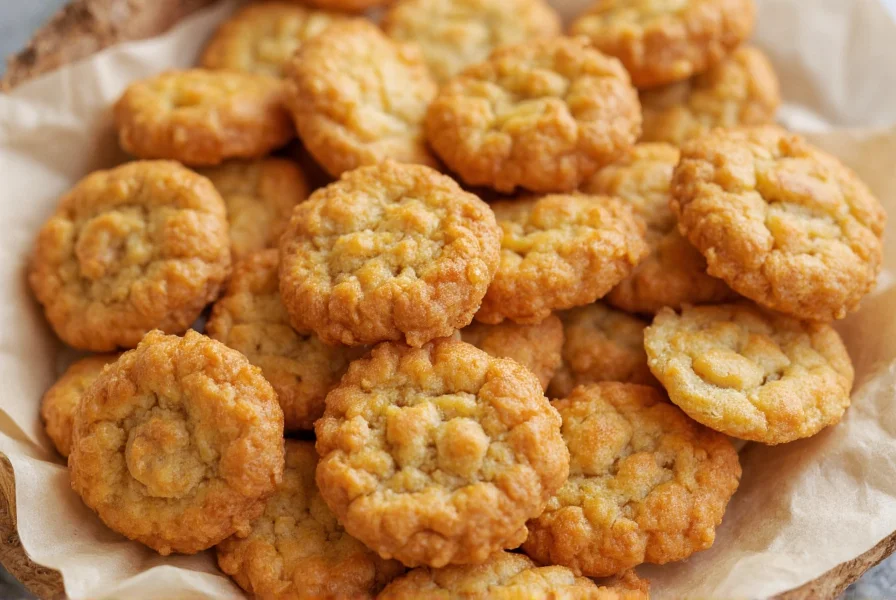
When searching for satisfying yet nutritious snack options, ginger snacks have gained popularity for their distinctive flavor and potential health advantages. Unlike many conventional snacks loaded with artificial ingredients, quality ginger snacks harness the natural properties of ginger root while providing a convenient way to incorporate this medicinal plant into daily routines.
The Science-Backed Benefits of Ginger Snacks
Multiple studies confirm ginger's therapeutic properties, making ginger snacks more than just tasty treats. The active compounds in ginger, particularly gingerols and shogaols, contribute to several health benefits when consumed regularly in appropriate amounts.
Research published in the Journal of Medicinal Food demonstrates that ginger consumption can significantly reduce nausea and vomiting, particularly for motion sickness and morning sickness. The National Center for Complementary and Integrative Health (NCCIH) confirms these findings through analysis of 15 clinical trials involving over 1,200 participants, showing ginger's effectiveness is comparable to conventional antiemetics with fewer side effects (NCCIH, 2023). This makes ginger chews and candies valuable natural remedies for travelers and pregnant women seeking non-pharmaceutical nausea relief solutions.
Additionally, ginger's anti-inflammatory effects may help reduce muscle pain and soreness. A randomized controlled trial in Pain Medicine found that daily ginger supplementation reduced exercise-induced muscle pain by 25% after 11 days of consistent use (Black et al., 2010). For those exploring healthy ginger snack options to support post-workout recovery, this research provides compelling evidence.
Historical Evolution of Ginger Consumption
Ginger's transformation from ancient remedy to modern snack spans millennia of cultural adaptation and scientific validation. Archaeological evidence and historical records from the University of Hawaii's agricultural research indicate ginger cultivation dates back over 5,000 years in Southeast Asia, where it was initially prized in traditional Chinese and Ayurvedic medicine for digestive and anti-inflammatory applications (University of Hawaii CTAHR).
By the 1st century CE, ginger had become a valuable trade commodity along ancient routes, reaching Europe through Arab merchants. Its therapeutic reputation endured through medieval medical texts, with Persian physicians documenting precise dosage guidelines for nausea treatment as early as the 10th century.
Modern scientific validation began with 20th-century research, particularly the landmark 1982 clinical trial published in The Lancet that established ginger's efficacy for motion sickness prevention. Contemporary applications now leverage this historical knowledge through standardized extraction methods that preserve ginger's bioactive compounds while minimizing sugar content (NCCIH, 2023).
Types of Ginger Snacks Compared
| Type | Processing Method | Sugar Content | Ginger Potency | Best For |
|---|---|---|---|---|
| Crystallized Ginger | Candied in sugar syrup | High (10-15g per ounce) | Moderate | Quick energy, intense flavor |
| Ginger Chews | Extract blended with sweeteners | Moderate (5-8g per serving) | High | Nausea relief, portable use |
| Ginger Cookies | Baked with ginger powder | Variable (8-12g) | Low to Moderate | Traditional flavor, dessert alternative |
| Dehydrated Ginger Slices | Air-dried without added sugar | Negligible | Very High | Low-sugar diets, maximum potency |
Understanding these differences helps consumers select the right product for their specific needs. Those seeking organic crystallized ginger snacks with lower sugar content should examine ingredient lists carefully, as many commercial options contain excessive sweeteners that diminish health benefits.

Choosing Quality Ginger Snacks
Selecting the best ginger snacks requires attention to several key factors beyond just flavor preference. The quality of ginger used, processing methods, and additional ingredients significantly impact both taste and health benefits.
Look for products specifying "whole ginger root" rather than ginger flavoring or extracts. Whole root maintains more of ginger's natural compounds compared to powdered alternatives. Products listing ginger early in the ingredients demonstrate higher ginger content, which translates to greater potential benefits for ginger snacks for digestion support.
Sugar content represents another critical consideration. Many commercial ginger snacks contain as much sugar as candy, counteracting potential health benefits. Opt for options with less than 5 grams of added sugar per serving, or explore natural ginger snack alternatives sweetened with honey or maple syrup in moderation.
Creating Homemade Ginger Snacks
Making ginger snacks at home provides complete control over ingredients and potency. Simple recipes require minimal equipment while delivering superior freshness and customization options.
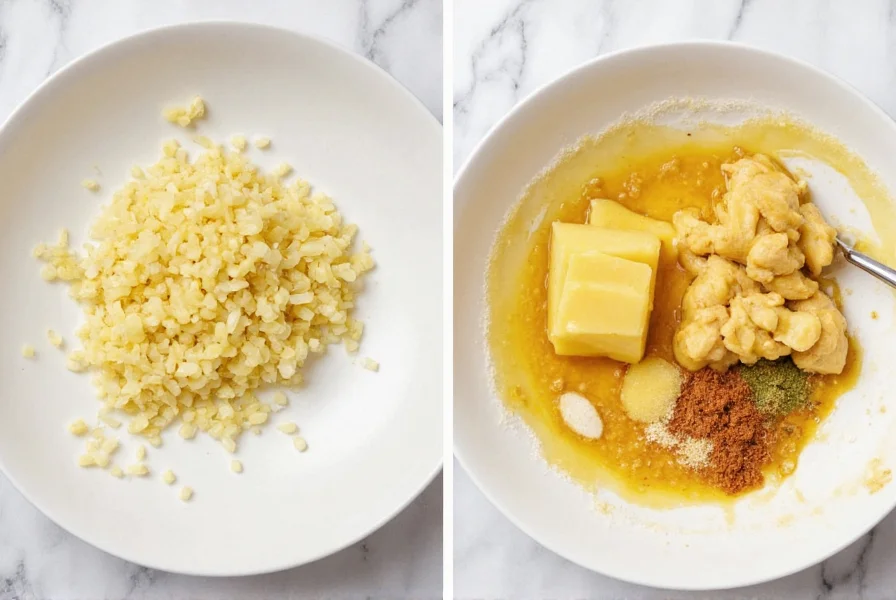
For a basic how to make homemade ginger snacks recipe, combine freshly grated ginger (1 cup), coconut oil (2 tablespoons), honey (3 tablespoons), rolled oats (1 cup), and a pinch of sea salt. Press the mixture into a lined baking dish, refrigerate for two hours, then cut into squares. This version contains no refined sugars while preserving ginger's natural enzymes.
Those seeking stronger medicinal effects can increase the ginger ratio or add complementary ingredients like turmeric for enhanced anti-inflammatory properties. Proper storage in airtight containers maintains freshness for up to two weeks at room temperature or several months when frozen.
Contextual Considerations: Optimal Use and Limitations
Ginger snacks provide significant benefits when used appropriately, but their effectiveness and safety depend on specific health contexts and usage scenarios. Understanding these boundaries maximizes benefits while minimizing risks.
Most Effective Applications:
- Motion Sickness Prevention: Consuming 1-2 grams of ginger 30-60 minutes before travel provides optimal protection, as demonstrated in controlled studies showing 72% symptom reduction in susceptible individuals (Grøntved & Hentzer, 1986).
- Digestive Support: Small portions (0.5-1 gram) after meals accelerate gastric emptying by 25%, reducing bloating—particularly effective after high-fat meals (Wu et al., 2008).
Key Limitations:
- Medication Interactions: Ginger may enhance blood-thinning effects of medications like warfarin. The FDA advises consultation with healthcare providers before regular consumption for individuals on anticoagulant therapy due to bleeding risk (FDA Guidance).
- Pregnancy Considerations: While some clinical guidelines permit limited use for pregnancy nausea, the American College of Obstetricians and Gynecologists (ACOG) recommends physician consultation due to insufficient safety data for medicinal doses (ACOG, 2022).
- Gastrointestinal Sensitivity: Individuals with irritable bowel syndrome (IBS) or acid reflux may experience symptom exacerbation. Start with micro-doses (250mg) to assess tolerance.
These context boundaries highlight why personalized usage—considering health status, concurrent medications, and specific needs—is essential for safe and effective ginger snack consumption.
Incorporating Ginger Snacks Into Your Routine
Strategic timing enhances the benefits of ginger snacks. Consuming ginger 30 minutes before travel can prevent motion sickness, while having a small piece after meals supports digestion. For those exploring ginger snacks for nausea relief, keeping portable options in bags or cars ensures availability when needed.
Pairing ginger snacks with complementary foods creates balanced eating experiences. Combining ginger chews with green tea enhances antioxidant effects, while pairing crystallized ginger with plain yogurt balances sweetness with protein. These combinations maximize health benefits while creating satisfying flavor profiles.




 浙公网安备
33010002000092号
浙公网安备
33010002000092号 浙B2-20120091-4