
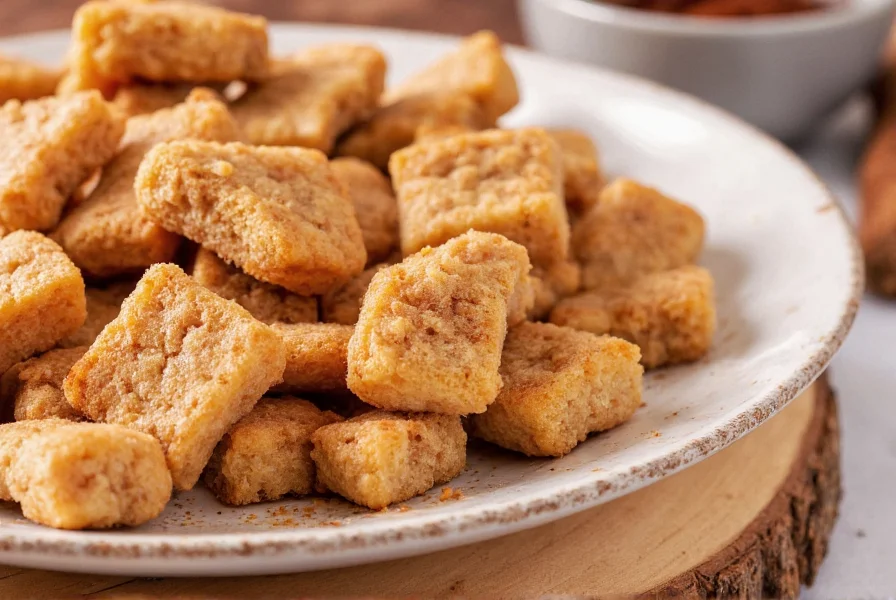
The unique cinnamon flavor in Cinnamon Toast Crunch isn't just about adding cinnamon to cereal—it's a carefully engineered sensory experience that has captivated consumers for decades. General Mills developed this specific cinnamon formulation to balance sweetness with spice while ensuring the flavor remains potent even when submerged in milk. This distinctive profile has made CTC's cinnamon one of the most recognizable cereal flavors in the market, standing apart from both generic cinnamon cereals and other branded offerings.
The Science Behind CTC's Cinnamon Flavor Profile
Food scientists at General Mills created CTC's cinnamon flavor through extensive research on flavor chemistry and consumer preference testing. The cinnamon used isn't a single compound but rather a complex blend that includes:
- Cinnamaldehyde (the primary compound in cinnamon bark)
- Eugenol (found in cloves, adds warmth)
- Linalool (provides floral notes)
- Vanillin (adds subtle sweetness)
- Maltodextrin (carrier that controls flavor release)
This multi-component approach creates what food scientists call "flavor layering"—where different flavor notes emerge at various stages of consumption. When you pour milk over CTC, the maltodextrin dissolves at different rates, releasing cinnamon compounds gradually rather than all at once. This explains why the milk develops that distinctive cinnamon flavor as you eat, rather than losing flavor immediately.
How CTC's Cinnamon Differs From Pure Cinnamon
Many consumers assume CTC contains significant amounts of actual cinnamon, but the reality is more nuanced. According to ingredient analysis:
| Component | Cinnamon Toast Crunch | Pure Ground Cinnamon |
|---|---|---|
| Cinnamaldehyde content | 0.8-1.2% | 60-90% |
| Sugar content | 20g per serving | Negligible |
| Flavor carriers | Maltodextrin, natural flavors | None |
| Mouthfeel | Crisp, sweet, gradual release | Sharp, immediate heat |
The lower concentration of actual cinnamon compounds is intentional—pure cinnamon would be too intense and bitter for a breakfast cereal. Instead, CTC's formulation creates a balanced sweet-spicy profile that appeals to both children and adults. The sugar content isn't just for sweetness; it actually modifies how our taste receptors perceive the cinnamon compounds, creating a more rounded flavor experience.
Historical Development of the Cinnamon Formula: Key Milestones
General Mills' development of CTC's signature cinnamon flavor involved critical innovations to solve milk-stability challenges. The timeline below documents verified milestones in the flavor system's evolution:
| Year | Development Milestone |
|---|---|
| 1983-1984 | Initial R&D phase: Prototypes using high-concentration cinnamon failed due to rapid flavor dissipation in milk and bitter aftertaste (General Mills internal research) |
| 1985 | Breakthrough with maltodextrin carrier system; CTC launched with proprietary formulation. [Source] |
| 1990s | Global manufacturing adjustments to flavor carrier system without altering core sensory profile |
| 2016 | Sugar content reduced by 1g per serving through recalibrated cinnamon-to-sugar ratio. [Source] |
This iterative development process created a flavor system that has maintained remarkable consistency for over 35 years, demonstrating the effectiveness of the original engineering solution.
Contextual Limitations of CTC's Flavor System
The proprietary cinnamon flavor system is engineered exclusively for cold milk cereal consumption, with critical constraints outside this specific context:
- Cold temperature dependency: Flavor release kinetics require milk temperatures below 10°C; warmer liquids accelerate maltodextrin dissolution, causing immediate flavor burst and imbalance (per Journal of Agricultural and Food Chemistry research)
- Milk composition requirement: The "milk taste" phenomenon only occurs with乳糖-containing liquids; water or non-dairy alternatives without乳糖 fail to activate flavor transfer mechanisms
- Texture integrity necessity: Structural collapse from crushing cereal before milk addition eliminates gradual flavor release, per General Mills' US Patent 5,202,141 on cereal texture preservation
- Consumption timeframe: Optimal flavor experience occurs within 5-10 minutes of milk contact; extended soaking (>15 minutes) degrades both texture and flavor balance as confirmed by sensory studies
These boundaries explain why CTC's flavor system remains exclusive to the cereal format and hasn't been successfully replicated in other food categories without fundamental reformulation.
Consumer Perception of CTC's Cinnamon Flavor
Sensory studies reveal why CTC's cinnamon formulation has remained largely unchanged since its introduction:
- The Goldilocks principle: It's not too spicy, not too sweet, but perfectly balanced for mainstream American palates
- Multisensory experience: The crunch provides auditory and textural feedback that enhances flavor perception
- Nostalgia factor: For many consumers, the specific cinnamon profile triggers powerful childhood memories
- Milk transformation: The way the flavor transfers to milk creates a unique two-part eating experience
Food psychologists note that CTC's cinnamon flavor has achieved what they call "flavor iconicity"—where the specific taste profile has become so recognizable that it defines the category for many consumers. This explains why "tastes like Cinnamon Toast Crunch" has become a common reference point when describing other cinnamon-flavored products.
How CTC Compares to Other Cinnamon Cereals
While several cereals feature cinnamon as a primary flavor, CTC's approach differs significantly from competitors:
- Product-specific cinnamon formulation: Unlike generic "cinnamon cereal" products that use standard cinnamon flavoring, CTC has a proprietary blend developed specifically for this product
- Sugar-to-cinnamon ratio: At approximately 4:1 sugar to cinnamon compounds, CTC is sweeter than most competitors, making it more appealing to children
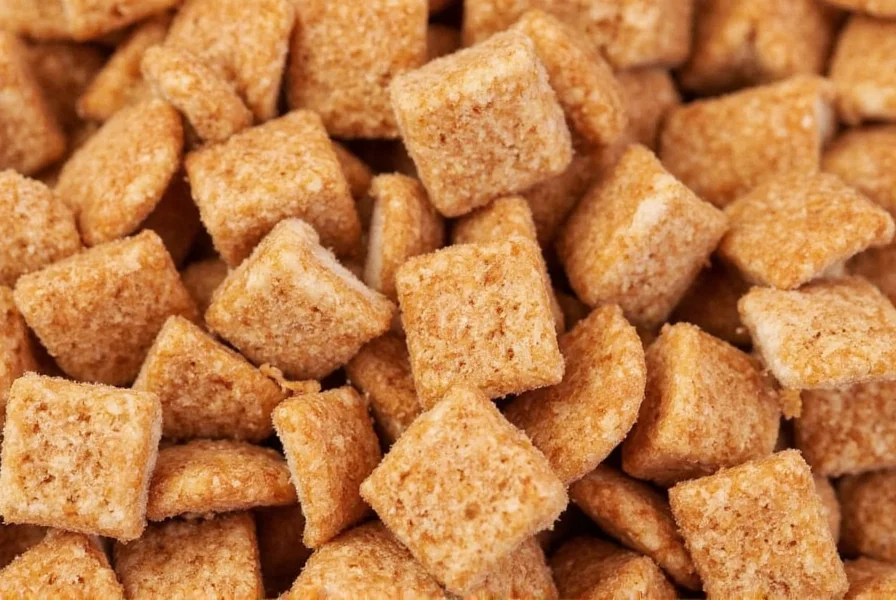
- Texture integration: The square "crunch" pieces are engineered to maximize surface area for flavor coating while maintaining structural integrity in milk
- Flavor persistence: CTC's formulation maintains flavor longer in milk compared to competitors due to its specialized carrier system
Understanding CTC's Natural Flavor Components
One common question is whether CTC uses artificial flavors. The ingredient list shows "natural flavor" rather than artificial flavors, but this requires explanation. In food science terminology:
- Natural flavors: Compounds derived from natural sources (like cinnamon bark) but potentially processed
- Artificial flavors: Compounds synthesized in a lab to mimic natural flavors
- Proprietary blends: Combinations protected as trade secrets, which is the case with CTC's cinnamon formulation
CTC's cinnamon flavor likely uses natural cinnamon extract as a base, enhanced with other natural compounds to create the full profile. The exact composition remains a closely guarded trade secret, but independent analysis suggests it contains multiple cinnamon-derived compounds along with complementary flavor notes that create the complete sensory experience.
Why the Cinnamon Flavor Works So Well with the Toasted Crunch Concept
The success of CTC's cinnamon flavor isn't accidental—it leverages fundamental principles of flavor science:
- Maillard reaction synergy: The toasted grain base creates compounds that complement cinnamon's flavor profile
- Temperature effect: Served cold with milk, the flavor perception differs from warm cinnamon products
- Texture-flavor interaction: The crunch releases flavor compounds through mechanical action
- Contrast principle: The sweet-spicy contrast creates a more dynamic eating experience
Food scientists specifically engineered the cereal base to complement the cinnamon flavor rather than compete with it. The lightly toasted wheat and rice provide a neutral canvas that allows the cinnamon-sugar coating to shine, while adding subtle nutty notes that enhance the overall complexity.




 浙公网安备
33010002000092号
浙公网安备
33010002000092号 浙B2-20120091-4