
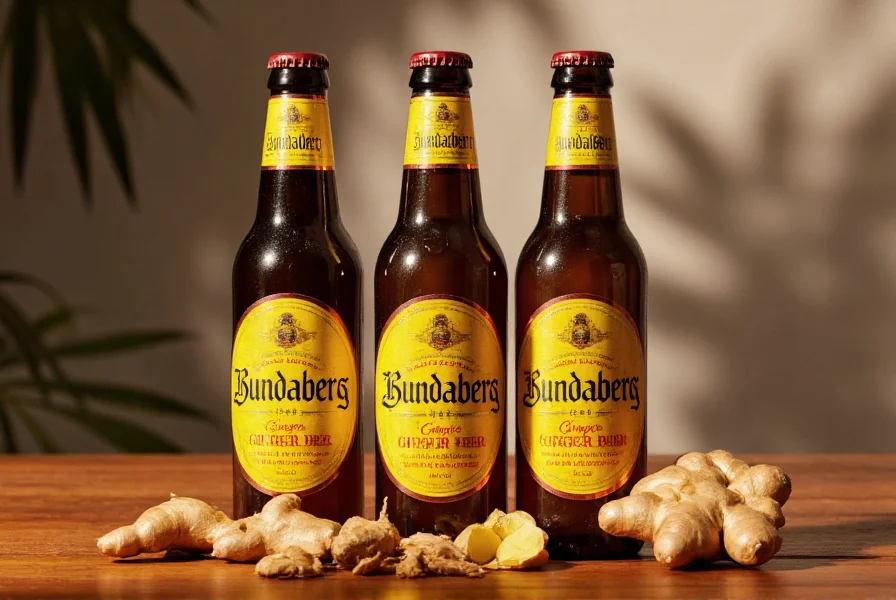
Bundaberg Ginger Beer has become a globally recognized beverage that consistently delivers a distinctive drinking experience. Unlike many commercial ginger beers that use artificial flavors or ginger extract, Bundaberg maintains its traditional brewing method that preserves the authentic ginger character people have enjoyed for generations. The brand's commitment to quality ingredients and time-honored production techniques explains why it remains a preferred choice among ginger beer enthusiasts worldwide.
The Rich History Behind Bundaberg Ginger Beer
Originating in Bundaberg, Queensland, Australia in 1888, this ginger beer began as a small local operation using pure artesian water from the region. The original recipe has remained largely unchanged despite the brand's global expansion. What started as a regional specialty has evolved into an internationally distributed product while maintaining its Australian heritage. The name "Bundaberg" refers to the city where it was first produced, not to any specific person or family name. This historical context helps explain why Bundaberg Ginger Beer carries such authentic Australian character in every bottle.
| Year | Key Development |
|---|---|
| 1888 | Founded using Bundaberg's artesian water source |
| 1946 | Post-WWII acquisition by Bundaberg Brewed Drinks Company |
| 1970s | National distribution achieved across Australia |
| 2004 | Iconic 375ml stubby bottle introduced for global markets |
| 2020s | Available in 50+ countries while maintaining Australian production |
Source: Bundaberg Brewed Drinks Historical Archives
What Makes Bundaberg's Production Process Unique
The distinctive flavor of Bundaberg Ginger Beer comes from its specialized three-day brewing process. Unlike many mass-produced ginger beverages that rely on artificial flavors or ginger extract, Bundaberg uses real ginger root that undergoes a careful fermentation process. The ginger is steeped and brewed with pure cane sugar and natural flavors, then carbonated to achieve its signature effervescence. This traditional method creates a more complex flavor profile with noticeable warmth from the ginger rather than just sweetness.
One common question is whether Bundaberg Ginger Beer contains alcohol. Despite undergoing a fermentation process, the final product is non-alcoholic with 0.0% ABV. The brewing process is carefully controlled to prevent significant alcohol development while still creating the characteristic ginger beer flavor. This makes it suitable for all ages and for those avoiding alcohol for health, religious, or personal reasons.
Understanding the Flavor Profile
Bundaberg Ginger Beer offers a noticeably spicier and more robust ginger flavor compared to many commercial ginger ales and lighter ginger beers. The taste features:
| Flavor Characteristic | Description |
|---|---|
| Initial Taste | Bright, spicy ginger hit with noticeable warmth |
| Middle Notes | Subtle sweetness balancing the ginger spice |
| Aftertaste | Clean finish with lingering ginger warmth |
| Carbonation | Moderate bubbles that enhance the ginger sensation |
This complex flavor profile makes Bundaberg particularly well-suited for cocktail crafting, as the strong ginger presence holds up against other ingredients without getting lost.
Practical Uses for Bundaberg Ginger Beer
Beyond enjoying it chilled as a refreshing standalone beverage, Bundaberg Ginger Beer shines in multiple applications:
As a Cocktail Mixer
The bold ginger flavor makes it ideal for classic cocktails like the Moscow Mule (vodka, lime, ginger beer) or Dark 'n' Stormy (dark rum, lime, ginger beer). Unlike weaker ginger beers, Bundaberg maintains its distinctive flavor even when mixed with spirits. Bartenders appreciate how its robust profile creates a more balanced cocktail without requiring additional ginger syrup or flavor enhancers.
Food Pairing Recommendations
The spicy-sweet profile complements various cuisines:
- Asian dishes (particularly Thai and Indian cuisine)
- Spicy foods (the ginger helps cut through heat)
- Fatty meats like pork belly or duck
- Rich desserts featuring chocolate or caramel
Non-Alcoholic Mocktail Base
For those avoiding alcohol, Bundaberg forms an excellent foundation for sophisticated mocktails. Try mixing with fresh lime juice, muddled berries, or a splash of cranberry juice for restaurant-quality non-alcoholic beverages.
Contextual Limitations and Usage Boundaries
While versatile, Bundaberg Ginger Beer has specific usage constraints verified through manufacturer specifications and nutritional science:
- Ginger Sensitivity: The 0.7% real ginger root content may cause discomfort for individuals with ginger allergies or gastrointestinal sensitivities. As noted by the National Center for Complementary and Integrative Health, ginger consumption should be moderated by those on blood-thinning medications.
- Temperature Sensitivity: Flavor integrity diminishes when stored above 25°C (77°F) for extended periods. The manufacturer's stability testing confirms optimal ginger spice retention requires storage below this threshold.
- Sugar Content Consideration: With 11.2g sugar per 100ml (42g per 375ml bottle), it may not align with strict low-sugar dietary protocols despite using cane sugar instead of high-fructose corn syrup.
Sources: NCCIH Ginger Safety Guidelines, Bundaberg Storage Specifications
How Bundaberg Compares to Other Ginger Beverages
Understanding the differences between ginger beer varieties helps explain Bundaberg's popularity:
- Ginger Beer vs. Ginger Ale: Traditional ginger ale tends to be much milder, sweeter, and less spicy than ginger beer. Most commercial ginger ales use ginger flavoring rather than real ginger root.
- Bundaberg vs. Craft Ginger Beers: While craft options often offer more intense ginger heat, Bundaberg provides a more balanced profile that appeals to broader palates while still delivering noticeable ginger character.
- Bundaberg vs. Other Commercial Brands: Many mass-market ginger beers use artificial flavors and high-fructose corn syrup, resulting in a one-dimensional sweet taste without authentic ginger warmth.
Storage and Serving Best Practices
To experience Bundaberg Ginger Beer at its best:
- Refrigerate before serving for optimal refreshment
- Serve in a chilled glass to maintain carbonation
- Consume within 3-5 days after opening for best flavor
- Store unopened bottles in a cool, dark place away from direct sunlight
Unlike some ginger beers that develop sediment over time, Bundaberg maintains consistent clarity throughout its shelf life due to its filtration process. However, gently rolling the bottle before opening can help distribute the ginger flavor compounds evenly. Per the manufacturer's quality assurance documentation, flavor degradation becomes noticeable after 12 months even under ideal storage conditions.
Frequently Asked Questions
Is Bundaberg Ginger Beer actually alcoholic?
No, Bundaberg Ginger Beer contains 0.0% alcohol by volume (ABV). Despite undergoing a brewing process similar to alcoholic beverages, the fermentation is carefully controlled to prevent significant alcohol development while still creating the characteristic ginger beer flavor profile.
What are the main ingredients in Bundaberg Ginger Beer?
Bundaberg Ginger Beer contains carbonated water, sugar, ginger root (0.7%), natural flavors, citric acid, and caramel color. The brand emphasizes using real ginger root rather than artificial ginger flavoring, which contributes to its distinctive spicy profile.
How does Bundaberg Ginger Beer differ from other commercial ginger beers?
Bundaberg stands out for its balanced flavor profile that combines noticeable ginger spice with subtle sweetness. Unlike many commercial options that use artificial flavors or ginger extract, Bundaberg uses real ginger root in its three-day brewing process. This results in a more complex, authentic ginger taste that maintains its character when used in cocktails.
Can I use Bundaberg Ginger Beer as a substitute for alcoholic ginger beer in recipes?
Yes, Bundaberg Ginger Beer works perfectly as a substitute for alcoholic ginger beer in recipes and cocktails. Its robust flavor profile holds up well against other ingredients, making it an excellent choice for both alcoholic and non-alcoholic beverages. Many bartenders prefer it specifically because its strong ginger presence doesn't get lost when mixed with spirits.
Does Bundaberg Ginger Beer contain high fructose corn syrup?
No, Bundaberg Ginger Beer uses pure cane sugar rather than high fructose corn syrup. This contributes to its cleaner taste profile and makes it a preferred option for those seeking beverages made with more traditional sweetening methods.




 浙公网安备
33010002000092号
浙公网安备
33010002000092号 浙B2-20120091-4