
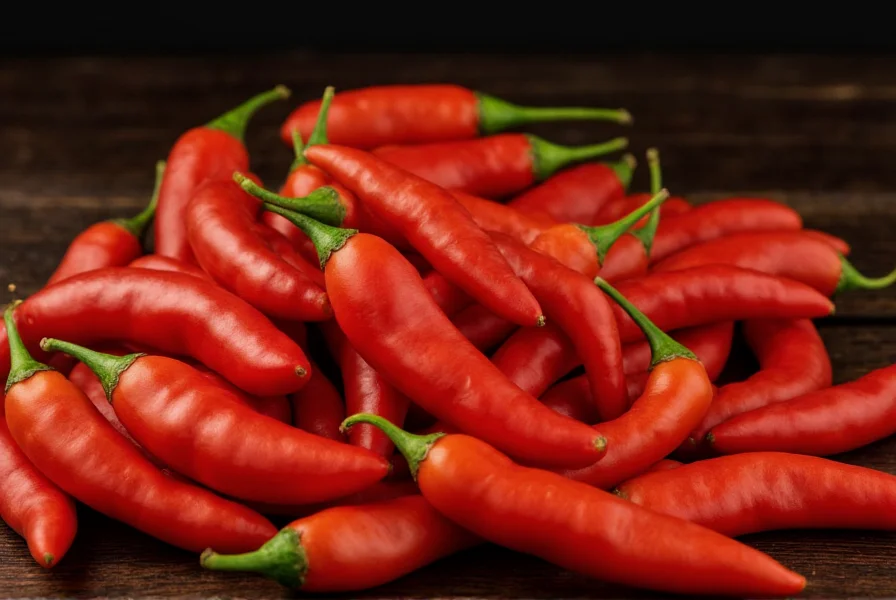
Ghost peppers, scientifically known as Bhut jolokia, rank among the world's hottest chili peppers with Scoville heat units ranging from 800,000 to over 1 million. Understanding where to find quality ghost peppers requires knowledge of their availability patterns and purchasing options. This guide provides factual information about purchasing these fiery peppers safely and effectively.
Understanding Ghost Pepper Availability
Ghost peppers originated in Northeast India and have gained global popularity among spice enthusiasts. Their extreme heat level means they're not commonly found in standard grocery stores, but specialized retailers understand the growing demand for authentic ghost pepper products. When searching for ghost pepper for sale, consumers should recognize that availability varies significantly by region and season.
Ghost Pepper Forms Available for Purchase
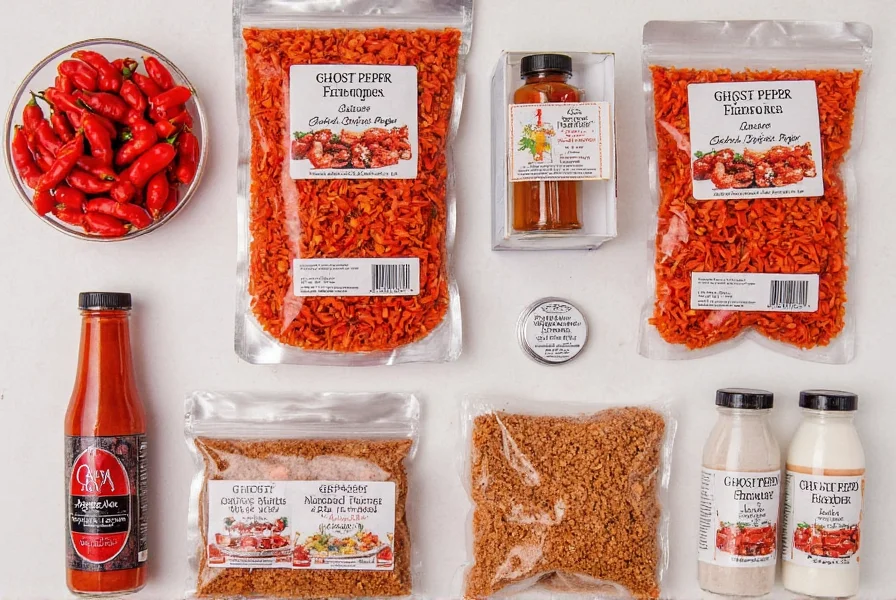
Consumers seeking ghost peppers for sale will encounter several product formats, each with different storage requirements and culinary applications:
| Product Form | Availability | Shelf Life | Best Uses |
|---|---|---|---|
| Fresh peppers | Seasonal (summer-fall), specialty markets | 2-3 weeks refrigerated | Sauces, pickling, fresh recipes |
| Dried whole peppers | Year-round, online retailers | 6-12 months in airtight container | Stews, rubs, rehydrating for sauces |
| Ghost pepper powder | Year-round, specialty spice shops | 1-2 years in dark container | Seasoning, spice blends, baking |
| Processed products | Year-round, hot sauce specialists | Varies by product | Marinades, finishing sauces, heat infusion |
Where to Find Quality Ghost Peppers
Locating authentic ghost pepper for sale requires knowing which retail channels specialize in hot peppers. Specialty grocery chains like Whole Foods and Wegmans occasionally stock fresh ghost peppers during peak season. International markets focusing on Indian, Caribbean, or Southeast Asian products often carry both fresh and dried varieties.
For consistent year-round access, online specialty retailers provide the most reliable source for fresh ghost peppers for sale and processed products. Reputable hot sauce producers and dedicated chili websites typically offer multiple ghost pepper formats with detailed information about heat levels and origin. When searching for where to buy ghost peppers near me, check local farmers markets in warmer climates where specialty chili growers operate.
Quality Considerations When Purchasing
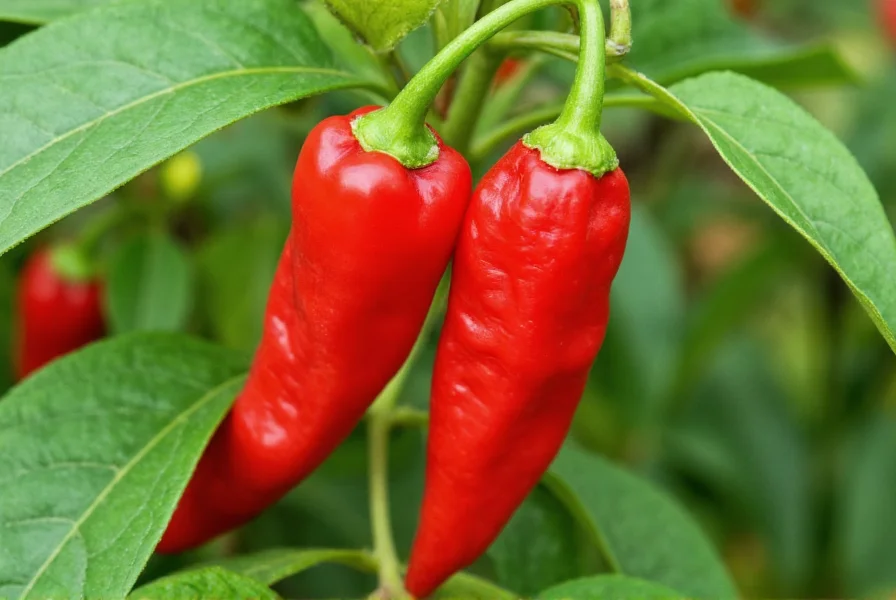
Selecting high-quality ghost peppers requires attention to specific characteristics. Fresh peppers should appear vibrant red (or appropriate color for the variety) with slightly wrinkled skin and firm texture. Avoid specimens with soft spots, mold, or excessive moisture. For dried products, look for consistent color and aroma without signs of moisture exposure.
When evaluating ghost pepper powder for sale, check for fine, uniform texture and deep red color. Quality ghost pepper products should include origin information and Scoville rating when available. Reputable sellers provide handling instructions due to the extreme heat levels involved.
Safety and Handling Guidelines
Ghost peppers require careful handling due to their extreme capsaicin concentration. Always wear gloves when preparing fresh peppers and avoid touching your face. Work in well-ventilated areas as the volatile oils can cause respiratory irritation. Keep children and pets away from preparation areas.
Proper storage extends product life. Refrigerate fresh peppers in perforated bags. Store dried peppers and powders in airtight containers away from light and moisture. Processed products should follow manufacturer storage instructions. Never store ghost peppers near milder peppers as cross-contamination can occur.
Seasonal Availability Patterns
Understanding the growing season helps when searching for fresh ghost peppers for sale. In North America, fresh ghost peppers typically appear from July through October, depending on climate conditions. Commercial growers in warmer regions may extend this season, but true freshness remains seasonal. During off-season months, dried products and processed items provide the most reliable options for enthusiasts seeking authentic ghost pepper experience.




 浙公网安备
33010002000092号
浙公网安备
33010002000092号 浙B2-20120091-4