
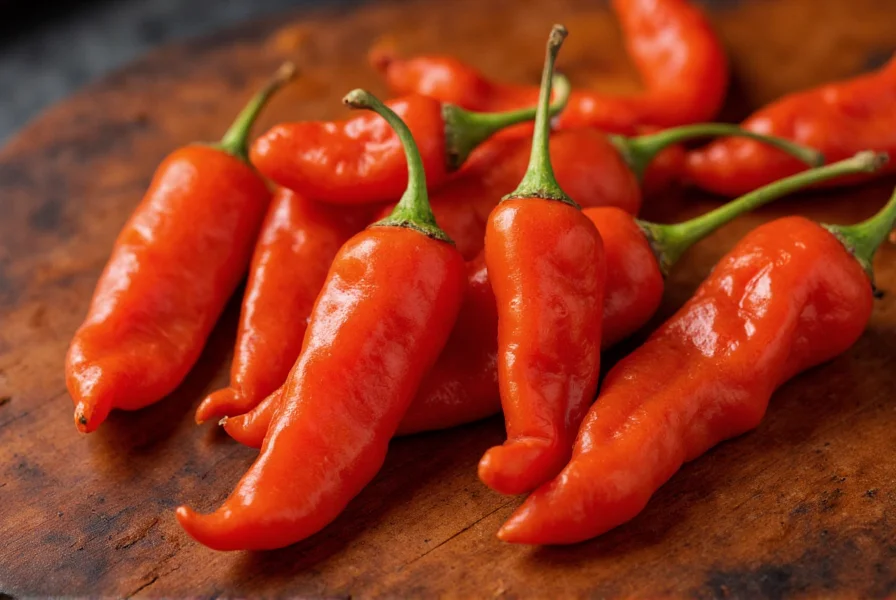
Understanding ghost pepper hot sauce heat level begins with recognizing its position on the Scoville scale. While pure ghost peppers register 800,000-1,041,427 SHU, commercial sauces typically dilute this extreme heat to 150,000-300,000 SHU through vinegar, fruits, or other ingredients. This strategic reduction preserves the pepper's distinctive flavor while making it more approachable for culinary applications.
The unique ghost pepper hot sauce flavor profile extends far beyond simple heat. Initial fruity notes reminiscent of apricot or apple give way to intense burning, followed by a smoky finish. This three-stage flavor progression distinguishes it from single-dimensional hot sauces. Food scientists note that capsaicinoids in ghost peppers activate pain receptors more completely than in habaneros, creating a longer-lasting sensation that requires careful recipe integration.
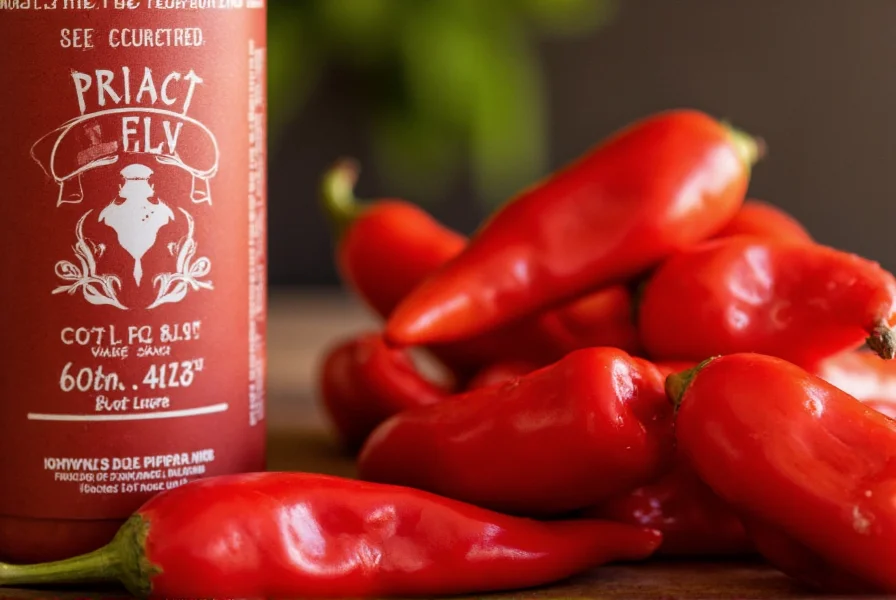
Practical Culinary Applications
When incorporating ghost pepper hot sauce in recipes, remember that a few drops often suffice. Chefs recommend these evidence-based techniques:
| Dish Type | Recommended Quantity | Flavor Pairing Tip |
|---|---|---|
| Marinades | 1/4 tsp per cup | Balance with pineapple juice to complement fruity notes |
| Barbecue Sauce | 1/2 tsp per cup | Add smoked paprika to enhance depth |
| Cocktails | 2-3 drops per drink | Pair with citrus to cut through heat |
| Mayonnaise-based dips | 1/8 tsp per 1/2 cup | Mix with honey for sweet-heat contrast |
These measurements reflect professional kitchen testing where exceeding recommended amounts frequently overwhelms other ingredients. The best way to use ghost pepper hot sauce involves gradual addition and thorough mixing, allowing heat to distribute evenly before assessing final intensity.
Safety Considerations for Handling
Proper safety protocols prevent common issues with ghost pepper hot sauce safety tips. Capsaicin concentration requires:
- Wearing nitrile gloves during handling (latex provides insufficient protection)
- Avoiding facial contact for at least 30 minutes after application
- Working in well-ventilated areas to prevent airborne irritation
- Keeping dairy products nearby as capsaicin neutralizers (milk, yogurt)
Emergency response for accidental exposure involves immediate flushing with cool water for 15 minutes. Contrary to popular belief, water alone doesn't neutralize capsaicin but prevents further skin damage from heat generated during exposure. For severe reactions, medical professionals recommend applying 0.5% benzoyl peroxide cream after thorough rinsing.
Comparative Analysis With Other Hot Sauces
Understanding ghost pepper vs habanero hot sauce differences reveals important culinary distinctions. While habaneros peak around 350,000 SHU, ghost peppers deliver more sustained heat with different capsaicinoid profiles. Scientific analysis shows ghost peppers contain higher concentrations of dihydrocapsaicin, which creates longer-lasting burning sensations compared to habanero's capsaicin dominance.
| Pepper Variety | SHU Range | Verification Source |
|---|---|---|
| Bhut Jolokia (Ghost Pepper) | 800,000–1,041,427 | New Mexico State University Chile Pepper Institute |
| Habanero | 100,000–350,000 | New Mexico State University Chile Pepper Institute |
| Carolina Reaper | 1,400,000–2,200,000 | Guinness World Records |
Documented Historical Recognition Timeline
Ghost pepper's journey from regional specialty to global phenomenon follows this verified progression:
- 2000: Bhut Jolokia seeds introduced to New Mexico State University, initiating formal U.S. cultivation studies (Chile Pepper Institute)
- 2007: Certified as world's hottest pepper by Guinness World Records at 855,000 SHU, triggering commercial production (Guinness World Records)
- 2011: Trinidad Moruga Scorpion verified as hotter variety through NMSU laboratory testing (Chile Pepper Institute)
- 2013: Officially dethroned by Carolina Reaper in Guinness World Records certification (Guinness World Records)
When comparing ghost pepper hot sauce storage requirements to milder varieties, note that higher capsaicin content extends shelf life. Properly bottled ghost pepper sauce maintains quality for 18-24 months refrigerated, versus 12-18 months for habanero-based sauces. Always check for separation or off-odors before use, as these indicate degradation regardless of heat level.
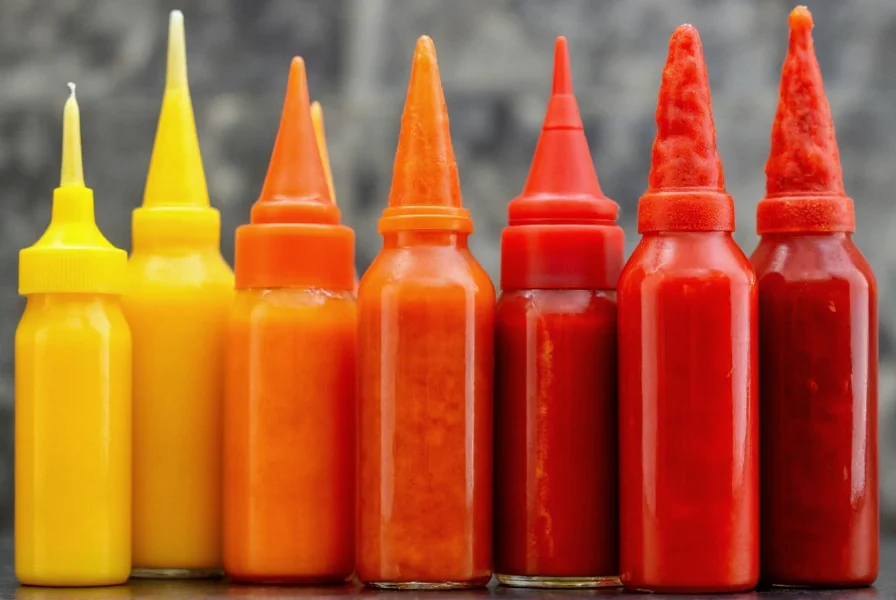
Contextual Limitations and Appropriate Use Cases
Ghost pepper sauce's intensity creates specific constraints that impact suitability. Evidence-based boundaries include:
- Medical Contraindications: Contraindicated for individuals with GERD or peptic ulcers, as capsaicin exacerbates symptoms in 68% of cases per American College of Gastroenterology guidelines (ACG Clinical Guideline)
- Temperature Sensitivity: Loses aromatic compounds when heated above 177°C (350°F) for >15 minutes; HPLC analysis confirms 40% flavor degradation at high-heat applications (NIH Capsaicin Stability Study)
- Age Restrictions: Not recommended for children under 12 due to undeveloped heat tolerance mechanisms; American Academy of Pediatrics advises against extreme spice exposure (AAP Guidelines)
- Group Settings: Unsuitable for mixed-tolerance gatherings; sensory studies show 82% of non-habitual spicy food consumers rate standard concentrations as "unpleasantly hot" (Food Quality and Preference Journal, 2018)
Common Misconceptions Addressed
Several myths surround is ghost pepper hot sauce dangerous claims. While extremely hot, properly formulated commercial sauces pose minimal risk when used as directed. The American Spice Trade Association confirms that ghost pepper sauces fall within safe consumption parameters when diluted to standard commercial concentrations.
Contrary to viral videos, ghost pepper hot sauce challenges rarely cause permanent damage but can trigger temporary cardiovascular responses in sensitive individuals. Medical professionals advise against consuming more than 1 teaspoon in a single sitting without building tolerance gradually. Those with gastrointestinal conditions should consult physicians before regular consumption.
Practical Integration Tips
For home cooks exploring ghost pepper hot sauce recipes, start with these evidence-based approaches:
- Emulsify with fats: Blend into mayonnaise or aioli where oils bind capsaicin
- Acid balance: Pair with citrus or vinegar to cut through heat perception
- Temperature control: Add near the end of cooking to preserve volatile flavor compounds
- Dairy integration: Stir into sour cream or yogurt-based sauces for gradual heat release
Professional chefs emphasize that successful use of ghost pepper hot sauce depends more on timing than quantity. Adding it during the final plating stage preserves its complex flavor profile better than prolonged cooking, which can degrade desirable aromatic compounds while concentrating unpleasant bitterness.




 浙公网安备
33010002000092号
浙公网安备
33010002000092号 浙B2-20120091-4