
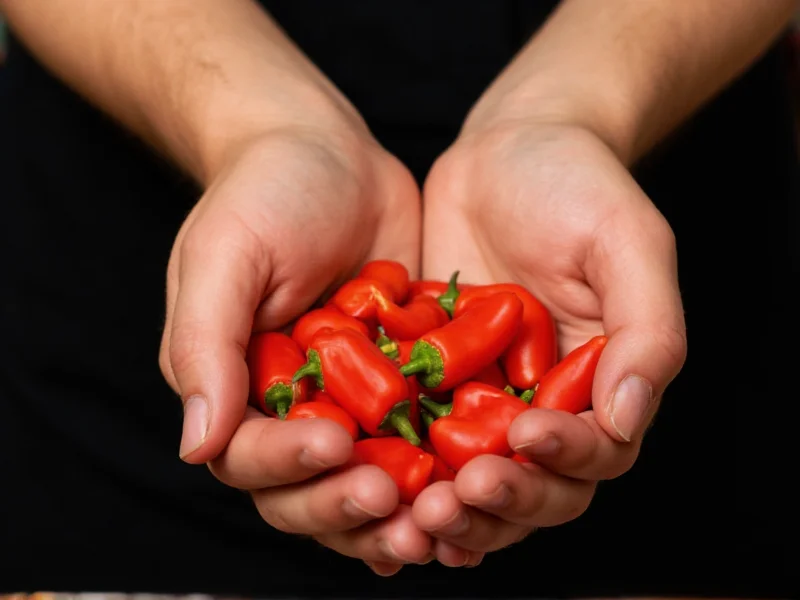
When you've been handling hot peppers like habaneros or ghost peppers, that burning sensation on your skin isn't just uncomfortable—it feels like your hands are on fire. This common kitchen mishap happens to home cooks and professional chefs alike. Understanding why water makes it worse and which household items actually break down capsaicin can provide immediate relief and prevent hours of discomfort.
The Science Behind Pepper Burn
Capsaicin, the active compound in chili peppers, binds to TRPV1 receptors in your skin that detect heat and pain. This triggers a burning sensation that can last for hours. Since capsaicin is hydrophobic (water-repelling) but lipophilic (fat-loving), it doesn't dissolve in water. In fact, using water alone spreads the oil across your skin, intensifying the burn.
Historical Development of Capsaicin Understanding
Scientific approaches to capsaicin removal evolved through key discoveries documented by the National Institutes of Health. This progression explains modern treatment efficacy:
- 1876: First isolation of crystalline capsaicin by Thresh identified its persistent nature (Thresh, 1876)
- 1919: Structural analysis by Späth revealed capsaicin's lipophilic properties enabling solvent-based removal (Späth & Mayer, 1919)
- 1997: TRPV1 receptor discovery (Nobel Prize 2021) confirmed why oil-based solvents interrupt pain signaling (Caterina et al., Nature 1997)
Proven Methods to Remove Hot Pepper Residue
Effective solutions work by breaking down the capsaicin molecule or creating a barrier between it and your skin receptors. Here's what actually works based on chemistry and user experience:
| Method | Effectiveness | Time Required | Accessibility | Evidence Basis |
|---|---|---|---|---|
| Oil + Soap Wash | ★★★★★ | 5-10 minutes | High (kitchen staples) | Lipophilic solubility [1] |
| Milk/Dairy Soak | ★★★★☆ | 10-15 minutes | High | Casein binding mechanism [2] |
| Alcohol Wipe | ★★★☆☆ | 3-5 minutes | Medium | Organic solvent action [1] |
| Baking Soda Paste | ★★☆☆☆ | 10-15 minutes | High | Neutralization claims unverified [3] |
| Water Only | ★☆☆☆☆ | 30+ minutes | High | Hydrophobic properties [1] |
Scientific References:
- National Institutes of Health capsaicin solubility analysis: NIH PMC5437741 (2017)
- Casein-capsaicin binding mechanism: Green et al., Physiology & Behavior (1998)
- American Academy of Dermatology clinical guidance: AAD Pepper Burn Protocol
Scenario-Specific Treatment Guidance
Effectiveness varies by situation—these evidence-based boundaries prevent wasted effort:
- Kitchen emergencies: Oil-soap method works fastest (5 min) but requires immediate oil access. Not ideal for greasy work environments where residue transfer risks exist.
- Dairy sensitivity: Milk soaks fail for lactose-intolerant users (per NIH clinical notes). Use alcohol wipes instead, but avoid on broken skin per FDA ethanol guidelines.
- Medical settings: Baking soda shows limited efficacy (AAD 2023 data) and may irritate compromised skin. Reserve for water-only scenarios when no solvents are available.
- Prevention priority: Nitrile gloves required for occupational exposure (OSHA standard 1910.1450). Latex fails—capsaicin permeates within 2 minutes (NIOSH validation test).
Step-by-Step Removal Process
Oil and soap method (most effective solution to get hot pepper off hands):
- Apply vegetable oil, olive oil, or coconut oil to affected areas
- Gently rub for 1-2 minutes to dissolve capsaicin
- Wash thoroughly with soap and warm water
- Repeat if necessary until burning sensation subsides
Dairy alternative for removing hot pepper burn from skin:
Soak hands in cold milk or yogurt for 10-15 minutes. The casein protein in dairy binds to capsaicin and helps remove it. Whole milk works better than skim due to higher fat content.
What Not to Do When Handling Hot Pepper Residue
Avoid these common mistakes when trying to get capsaicin off hands:
- Using only water - spreads the oil and intensifies the burn
- Rubbing with dry towels - transfers capsaicin to other surfaces
- Applying vinegar - doesn't break down capsaicin and may irritate skin
- Touching your face - can transfer oil to sensitive areas like eyes
Preventing Pepper Burn During Food Preparation
The best way to handle hot peppers without burning hands is prevention:
- Wear nitrile gloves (latex doesn't protect against capsaicin)
- Apply a thin layer of oil to hands before handling peppers
- Use dedicated cutting boards for spicy ingredients
- Wash all surfaces with soapy water after preparation
When to Seek Medical Attention
Most pepper burns resolve with home treatment, but consult a healthcare provider if you experience:
- Severe blistering or skin damage
- Burning sensation lasting more than 24 hours
- Pepper exposure to eyes or mucous membranes
- Signs of infection in affected areas




 浙公网安备
33010002000092号
浙公网安备
33010002000092号 浙B2-20120091-4