
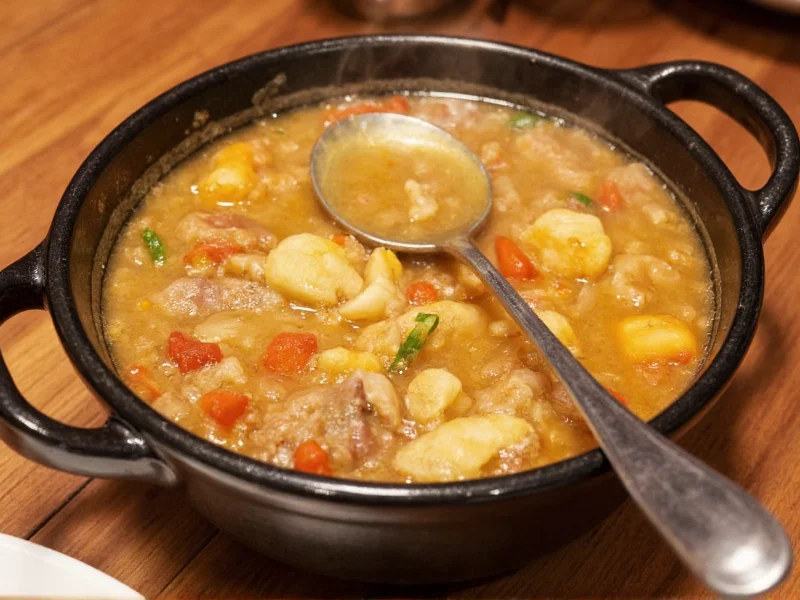
When searching for "croc pot soups," you're likely looking for slow cooker soup recipes that deliver maximum flavor with minimal effort. This common misspelling refers to Crock-Pot brand slow cookers, which excel at transforming simple ingredients into complex, comforting meals through gentle, prolonged cooking.
Understanding Crock Pot Soup Fundamentals
Slow cookers create ideal conditions for soup development by maintaining consistent low temperatures that extract maximum flavor from ingredients while preserving texture. The sealed environment prevents evaporation, which means liquid ratios differ significantly from stovetop methods. Successful crock pot soup preparation requires understanding how ingredients behave during extended cooking periods.
The Evolution of Slow Cooking Technology
Modern slow cookers represent decades of culinary innovation. Understanding this evolution helps explain why certain techniques work best for soup preparation and how safety standards have evolved to prevent foodborne illness.
| Era | Key Development | Impact on Soup Preparation |
|---|---|---|
| Pre-1970s | Traditional "bean pots" used in fireless cookers or low-temperature ovens | Limited temperature control led to inconsistent results; required constant monitoring |
| 1971 | Rival Company introduces first Crock-Pot with ceramic insert and dedicated heating element | Enabled reliable low-temperature cooking ideal for bean and legume soups |
| 1990s | USDA establishes official slow cooker safety guidelines | Standardized minimum cooking temperatures (140°F/60°C) for safe soup preparation |
| 2010s-Present | Multi-functional appliances with precise temperature control and searing capabilities | Expanded soup versatility including dairy-based recipes previously considered high-risk |
Source: Encyclopaedia Britannica, "Slow Cooker"
Top Soup Categories for Slow Cooker Success
Certain soup types particularly benefit from slow cooking's gentle heat. These recipes develop deeper flavors and more tender textures than their stovetop counterparts when prepared in crock pots. Understanding which soup varieties work best prevents disappointing results and wasted ingredients.
| Soup Type | Why It Works | Cooking Time | Special Considerations |
|---|---|---|---|
| Bean and Legume Soups | Slow cooking fully softens dried beans without becoming mushy | 6-8 hours on low | Soak beans overnight or use quick-soak method for best results |
| Hearty Stews and Chilis | Tough cuts of meat become fork-tender; flavors meld beautifully | 7-9 hours on low | Brown meat first for richer flavor development |
| Tomato-Based Soups | Acidic tomatoes break down vegetables perfectly over time | 4-6 hours on low | Add delicate herbs near the end of cooking |
| Broth-Based Vegetable Soups | Gentle heat preserves vegetable integrity while extracting flavor | 3-5 hours on low | Add quick-cooking vegetables in last hour |
| Creamy Soups (with modifications) | Base develops rich flavor; dairy added at end maintains texture | 5-7 hours on low | Never add dairy at beginning; use cornstarch slurry for thickening |
Ingredients That Require Special Attention
Not all soup components behave well during extended slow cooking. Understanding ingredient limitations prevents common crock pot soup mistakes that lead to disappointing results.
Dairy and Creamy Elements
Traditional crock pot soup recipes with heavy cream or milk often curdle or separate. For creamy soups like potato leek or broccoli cheddar, add dairy products during the last 30 minutes of cooking. Better yet, use alternatives like coconut milk, pureed potatoes, or cashew cream that maintain stability throughout cooking. Many successful slow cooker creamy soup recipes rely on these natural thickeners rather than dairy added early in the process.
Pasta, Rice, and Grains
These ingredients continue absorbing liquid during slow cooking, often becoming mushy or causing the soup to thicken excessively. For best results with crock pot vegetable soup with pasta or grain-based soups, add these components during the last 60-90 minutes of cooking. Alternatively, cook grains separately and add them when serving for perfect texture every time.
Delicate Vegetables and Seafood
Fragile ingredients like zucchini, spinach, or seafood require careful timing. Add these during the final 30-60 minutes to prevent them from disintegrating. For seafood soups, consider using the slow cooker to prepare the broth base, then adding seafood to the hot broth just before serving. This approach to crock pot seafood soup preserves delicate textures while still leveraging slow cooking benefits for the foundation.
Professional Slow Cooker Soup Techniques
Mastering these crock pot soup techniques transforms good recipes into exceptional meals. These methods address common challenges specific to slow cooker soup preparation.
Strategic Ingredient Layering
Place root vegetables and meats at the bottom where heat concentrates most intensely. Layer more delicate vegetables toward the top. This crock pot soup layering technique ensures even cooking throughout the cooking cycle. For bean-based soups, position beans near heat elements to ensure thorough cooking without becoming mushy on the surface.
Precision Liquid Management
Reduce liquid by 25% compared to stovetop recipes since slow cookers minimize evaporation. The ideal crock pot soup liquid ratio creates a rich, concentrated broth rather than a watery soup. If your slow cooker runs hot or you prefer thicker soups, start with even less liquid and adjust during cooking. Remember that vegetables release additional moisture as they cook, further affecting final consistency.
Flavor Enhancement Strategies
Boost crock pot soup flavor development by browning meats and sautéing aromatics before adding to the slow cooker. Add acidic elements like vinegar or lemon juice during the last 30 minutes to brighten flavors that may have mellowed during extended cooking. For maximum depth in tomato-based crock pot soups, include a small amount of tomato paste that's been caramelized before adding other ingredients.
Troubleshooting Common Crock Pot Soup Issues
Even experienced cooks encounter challenges with slow cooker soups. These solutions address frequent problems with crock pot soup recipes.
Correcting Texture Problems
If your soup becomes too thin, create a slurry with cornstarch and cold water, then stir in during the last 30 minutes. For overly thick soups, add small amounts of broth or water while the cooker runs. When preparing crock pot vegetable soup, remember that vegetables continue releasing moisture even after cooking stops, so aim for slightly thicker consistency when turning off the cooker.
Flavor Balancing Techniques
Dull flavors often result from insufficient seasoning or lack of acidic elements. Before serving crock pot soups, taste and adjust with salt, pepper, and a splash of vinegar or citrus. For bean-based soups that taste flat, add a strip of kombu seaweed during cooking for natural umami enhancement. These finishing touches transform adequate slow cooker soups into memorable meals.
Critical Context Boundaries for Slow Cooker Soup Success
While slow cookers are versatile, specific conditions dramatically impact soup outcomes. Recognizing these boundaries prevents common failures and ensures food safety. The USDA's Food Safety and Inspection Service provides evidence-based parameters that must be respected for safe slow cooking.
| Context Factor | Impact on Soup | Recommended Adjustment | Verification Source |
|---|---|---|---|
| Altitude above 3,000 feet | Reduced boiling point lowers cooking temperature, extending required time | Increase cooking time by 5-10% per 1,000 feet above 3,000 ft | USDA Food Safety Guidelines |
| Slow cooker filled beyond 2/3 capacity | Increased liquid evaporation and uneven cooking due to reduced headspace | Never fill above 2/3 full; 1/2 to 2/3 is optimal for soups | USDA Food Safety Guidelines |
| Meat not reaching 140°F within 4 hours | Risk of bacterial growth in the "danger zone" (40°F-140°F) | Ensure slow cooker maintains at least 140°F; preheat liquid for frozen ingredients | USDA Food Safety Guidelines |
Top 5 Crock Pot Soup Recommendations
Based on flavor development, ingredient compatibility, and cooking reliability, these soup varieties consistently deliver excellent results in slow cookers.
- White Bean and Ham Soup - Dried cannellini beans become perfectly tender while absorbing smoky ham flavors. The long cooking time develops a naturally creamy texture without dairy.
- Tuscan Kale and Bean Soup - Hearty cannellini beans and kale hold up beautifully during slow cooking, creating a nutrient-dense meal with minimal hands-on time.
- Beef Barley Stew - Tough cuts of beef transform into fork-tender morsels while barley provides satisfying chew without becoming mushy.
- Minestrone Soup - The extended cooking time allows flavors to meld while maintaining vegetable integrity when added at appropriate times.
- Spicy Black Bean Soup - Dried black beans develop exceptional creaminess while spices infuse the broth with deep, complex heat.




 浙公网安备
33010002000092号
浙公网安备
33010002000092号 浙B2-20120091-4