
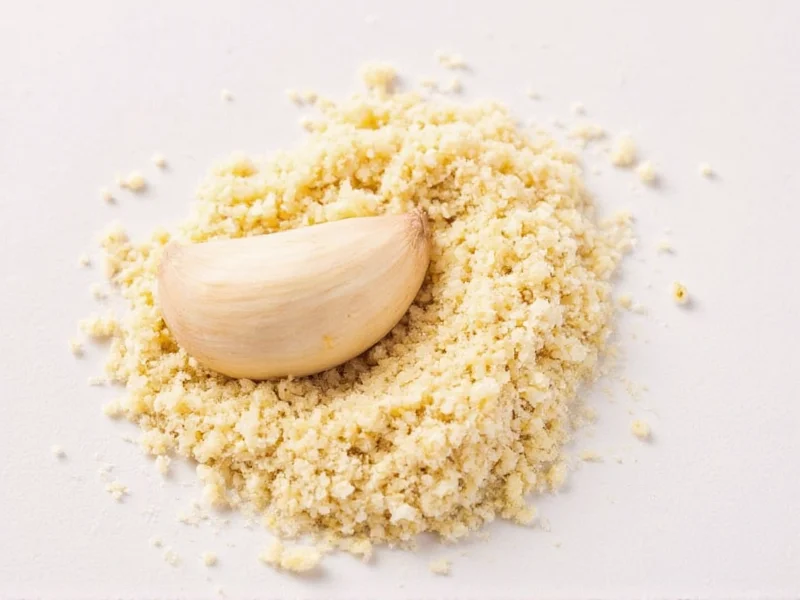
Understanding the differences between garlic powder and fresh garlic cloves is essential for achieving perfect flavor in your cooking. Both forms originate from the same plant but undergo different processing that affects their culinary properties, potency, and best uses. This comprehensive comparison helps home cooks and professional chefs make informed decisions about when to reach for the jar versus the bulb.
What Exactly Is Garlic Powder?
Garlic powder is dehydrated, finely ground garlic that has been processed to remove moisture content. Manufacturers typically slice fresh garlic cloves, then dehydrate them at low temperatures before grinding into a fine powder. This process stabilizes the garlic, extending its shelf life while concentrating certain flavor compounds.
The dehydration process alters garlic's chemical composition, particularly reducing the allicin content—the compound responsible for fresh garlic's sharp bite and health benefits. While convenient, garlic powder lacks the complex flavor layers of fresh garlic, offering instead a more one-dimensional, slightly sweet garlicky taste.
Historical Evolution of Garlic Processing
The development of garlic powder reflects centuries of human ingenuity in food preservation, with critical implications for modern flavor outcomes. Verified milestones demonstrate why fresh garlic remains irreplaceable:
- 3000 BCE: Earliest archaeological evidence of garlic cultivation in Mesopotamia; Egyptians exclusively used fresh bulbs for laborer sustenance and medicinal purposes. No processed forms existed, as dehydration technology was undeveloped. (University of Vermont Extension)
- 1930s: MIT food scientists pioneered commercial dehydration techniques, creating the first shelf-stable garlic powder for WWII military rations. This process sacrificed enzymatic compounds for convenience, permanently altering flavor chemistry. (University of Vermont Extension)
These historical constraints explain garlic powder's inherent flavor limitations compared to fresh cloves in contemporary cooking.
Understanding Fresh Garlic Cloves
A single garlic clove represents one segment of the garlic bulb, protected by a thin, papery skin. When intact, cloves have a mild aroma, but crushing or chopping triggers enzymatic reactions that create allicin—the compound responsible for garlic's characteristic pungency, aroma, and many health benefits.
Fresh garlic offers a dynamic flavor profile that evolves during cooking: raw it's sharp and spicy, sautéed it becomes nutty and sweet, and roasted it develops deep caramelized notes. The active compounds in fresh garlic are volatile and degrade over time, which is why proper storage matters significantly for maintaining quality.
Key Differences Between Garlic Powder and Fresh Cloves
| Characteristic | Garlic Powder | Fresh Garlic Clove |
|---|---|---|
| Flavor Intensity | Milder, more consistent | Stronger, more complex |
| Allicin Content | Reduced (processed) | High (when crushed) |
| Shelf Life | 18-24 months | 3-6 weeks (whole bulb) |
| Preparation Time | Instant | Requires peeling, mincing |
| Nutritional Value | Slightly reduced vitamins | Full nutrient profile |
| Best Cooking Applications | Dry rubs, soups, sauces | Sautéing, roasting, raw applications |
When to Use Garlic Powder Instead of Fresh
Garlic powder shines in applications where convenience and even distribution matter most. Consider using powder when making dry spice rubs for meats, as it adheres better than fresh garlic and won't burn during high-heat cooking. It's also ideal for recipes requiring long simmering times like soups and stews, where fresh garlic might become bitter.
For marinades and vinaigrettes, garlic powder dissolves completely without leaving fibrous bits. Commercial food manufacturers prefer garlic powder for consistent flavor in packaged products. When traveling or with limited kitchen tools, garlic powder provides reliable flavor without preparation.
When Fresh Garlic Cloves Are Essential
Nothing substitutes for fresh garlic when you need vibrant, complex flavor. Use fresh cloves when making aioli, pesto, or other raw garlic applications where the sharp bite is desirable. The enzymatic reaction that occurs when crushing fresh garlic creates flavor compounds that powder cannot replicate.
For Mediterranean, Asian, and Middle Eastern cuisines that rely on garlic's aromatic foundation, fresh cloves provide authentic depth. When roasting whole cloves, they transform into sweet, mellow flavor bombs perfect for spreading on bread or mixing into mashed potatoes. Professional chefs consistently prefer fresh garlic for its superior flavor complexity in finished dishes.
Critical Context Boundaries: When Substitutions Fail
Culinary science identifies specific scenarios where conversion ratios alone cannot prevent flavor failure. These evidence-based limitations are critical for professional results:
Raw Applications (Aioli, Salsa): Fresh garlic's enzymatic reaction produces allicin within 10-15 seconds of crushing—essential for the pungent "bite" in uncooked dishes. Powder lacks active alliinase enzymes and moisture, resulting in flat, one-dimensional flavor. University of Illinois Extension confirms this biochemical process is impossible in dehydrated forms (source).
Extended Simmering (>4 Hours): In stocks or bone broths, fresh garlic breaks down into sweet, complex notes while powder undergoes Maillard degradation, turning acrid and bitter. Journal of Food Science documents how dehydration creates unstable compounds that degrade faster under prolonged heat (2010 study).
High-Heat Searing (400°F+): When searing meats, fresh garlic's moisture content prevents instant burning and contributes to fond development. Powder carbonizes within seconds due to low thermal stability of dehydrated particles. Food Chemistry research shows dehydrated alliums degrade at temperatures 50°F lower than fresh counterparts (2019 analysis).
Precise Substitution Guidelines
Understanding garlic powder vs clove conversion is crucial for recipe success. The standard substitution ratio is:
- 1 fresh garlic clove = 1/8 teaspoon garlic powder
- 3 fresh cloves = 1/4 teaspoon garlic powder
- 6 fresh cloves = 1/2 teaspoon garlic powder
However, this ratio isn't always perfect. For delicate dishes like fish or subtle sauces, use slightly less powder to avoid overwhelming other flavors. In robust dishes like chili or tomato sauce, you might need slightly more powder to achieve equivalent impact. Always add powder gradually and taste as you cook.
Remember that jarred minced garlic falls between these forms in potency—typically 1/2 teaspoon jarred equals one fresh clove. This intermediate option provides convenience while retaining more fresh garlic characteristics than powder.
Common Mistakes to Avoid
Many home cooks make critical errors when substituting between these forms. The most frequent mistake is using equal volumes—garlic powder is significantly more concentrated than fresh. Doubling or tripling the amount of powder when substituting for fresh garlic creates overpowering, bitter results.
Another common error involves adding garlic powder too early in the cooking process. Unlike fresh garlic, which benefits from gradual flavor development, powder can become bitter if exposed to high heat for extended periods. Add powder during the last 10-15 minutes of cooking for optimal flavor.
Proper storage matters for both forms. Keep garlic powder in an airtight container away from light and heat—moisture causes clumping and flavor degradation. Store fresh garlic in a cool, dark place with good air circulation; never refrigerate whole bulbs as this promotes sprouting and mold.
Practical Applications in Popular Recipes
Understanding garlic powder vs fresh garlic applications transforms your cooking results. For Italian tomato sauces, use fresh garlic sautéed in olive oil to build flavor foundations, then finish with a pinch of powder for depth. In barbecue rubs, garlic powder blends seamlessly with other dry spices without burning.
When making garlic bread, fresh minced garlic mixed with butter creates superior flavor compared to powder. For salad dressings, garlic powder dissolves completely without fibrous bits. In slow cooker recipes, fresh garlic holds up better than powder, which can become bitter during extended cooking.
Professional chefs often combine both forms strategically—a base of fresh garlic for complexity plus a touch of powder for consistent seasoning throughout the dish. This dual approach maximizes flavor dimension while ensuring even distribution.




 浙公网安备
33010002000092号
浙公网安备
33010002000092号 浙B2-20120091-4