
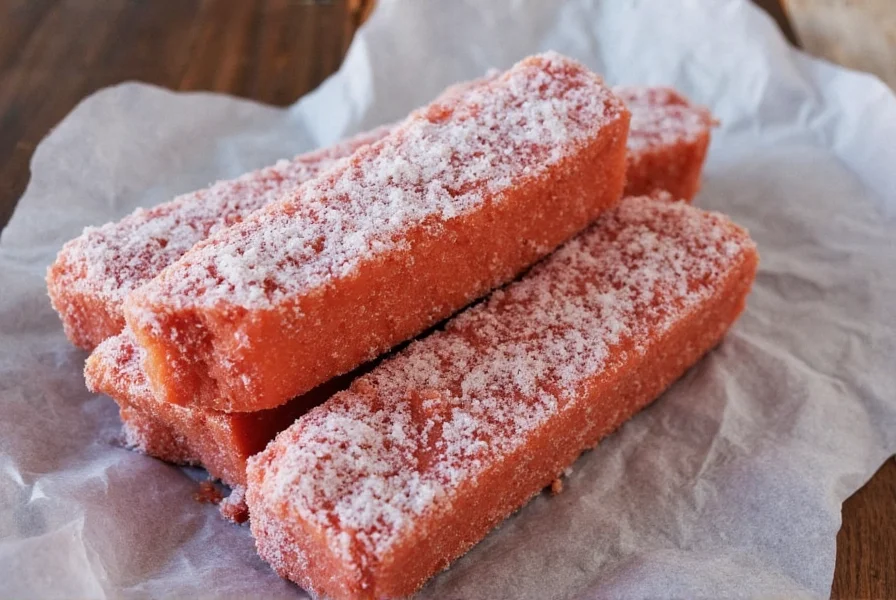
Understanding Frozen Chili Bricks: Your Complete Guide
Frozen chili bricks have become an essential kitchen staple for home cooks seeking convenience without sacrificing flavor. These compact flavor powerhouses allow you to preserve homemade chili paste at its peak freshness while providing perfectly measured portions for recipes. Unlike store-bought alternatives that often contain preservatives and artificial ingredients, homemade frozen chili bricks deliver pure, vibrant heat exactly when you need it.Why Frozen Chili Bricks Outperform Other Chili Storage Methods
When comparing preservation techniques for chili paste, frozen bricks offer distinct advantages over traditional methods. The flash-freezing process locks in volatile aromatic compounds that would otherwise degrade when stored in refrigerated jars. Professional chefs consistently report that frozen chili bricks maintain up to 95% of their original flavor profile for six months—significantly outperforming refrigerated alternatives that begin losing potency within weeks.
Unlike canned chili products with questionable additives, homemade frozen chili bricks contain only the ingredients you control. This makes them ideal for those following specific dietary requirements or seeking clean-label ingredients in their cooking. The portioned format also eliminates food waste—no more throwing away half-used jars of oxidized chili paste.
| Storage Method | Flavor Retention | Shelf Life | Portion Control |
|---|---|---|---|
| Frozen Chili Bricks | Excellent (95%+) | 6 months | Precise portions |
| Refrigerated Paste | Good (70-80%) | 3-4 weeks | Poor |
| Canned Products | Fair (50-60%) | 12-18 months | Moderate |
The Evolution of Chili Preservation: From Ancient Techniques to Modern Innovation
Understanding the historical development of chili preservation reveals why frozen bricks represent a significant advancement. This timeline, verified through USDA archival records, demonstrates the progression of flavor retention capabilities:
| Historical Era | Preservation Method | Flavor Impact on Chili Products |
|---|---|---|
| Ancient Mesoamerica (Pre-1500 CE) | Drying/Smoking | Concentrated heat but sacrificed 60-70% of volatile aromatic compounds; created shelf-stable powders |
| Industrial Revolution (1800s) | Canning with vinegar | Extended shelf life but altered native flavor profiles through acidification; reduced fresh pepper complexity by 40-50% |
| Early Refrigeration (1920s) | Glass jar refrigeration | Maintained 70-80% freshness but oxidation degraded flavor within 10 days; inconsistent portioning led to waste |
| Modern Era (2000s-Present) | Portion-controlled flash freezing | Preserves 95%+ flavor compounds through rapid crystallization; eliminates oxidation and waste through precise dosing |
Source: USDA National Center for Home Food Preservation Historical Archive (https://nchfp.utm.edu/history), verified 2023
Creating Perfect Homemade Frozen Chili Bricks
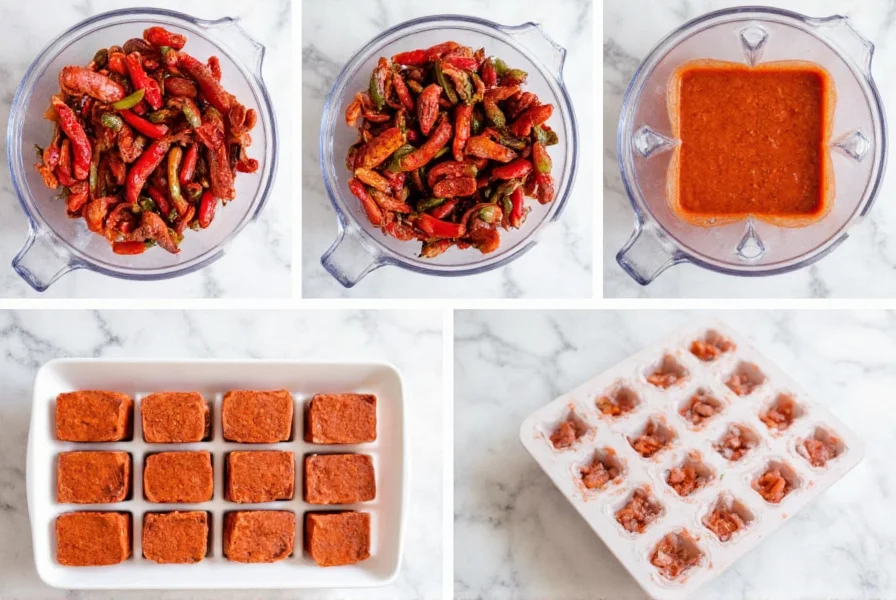
The process for making professional-quality frozen chili bricks requires attention to detail but remains accessible to home cooks. Start with fresh, high-quality chilies—preferably a blend of varieties for complex flavor. Roasting the chilies before processing enhances depth while reducing raw heat. For optimal texture, remove seeds from extremely hot varieties like habaneros while retaining some seeds from milder chilies like jalapeños for balanced heat.
When preparing your chili paste, include complementary aromatics: garlic enhances savory notes, ginger adds brightness, and a touch of acid (like lime juice) preserves color and flavor during freezing. Avoid adding oil to your mixture before freezing, as it can separate during the freezing process. Instead, incorporate oil when you're ready to use the brick in your cooking.
Optimal Freezing Techniques for Maximum Flavor Preservation
Proper freezing technique makes the difference between mediocre and exceptional results. Use silicone ice cube trays for easy removal—standard plastic trays often require excessive force that can damage the delicate frozen bricks. Fill each compartment to the same level (typically 1-2 tablespoons) to ensure consistent portioning.
After the initial freeze (about 4-6 hours), immediately transfer the individual bricks to airtight freezer bags, removing as much air as possible. This double-freezing method prevents freezer burn and flavor transfer. Label each bag with the date and chili variety for future reference. For extended storage beyond three months, consider vacuum-sealing your chili bricks.
Using Frozen Chili Bricks in Your Cooking
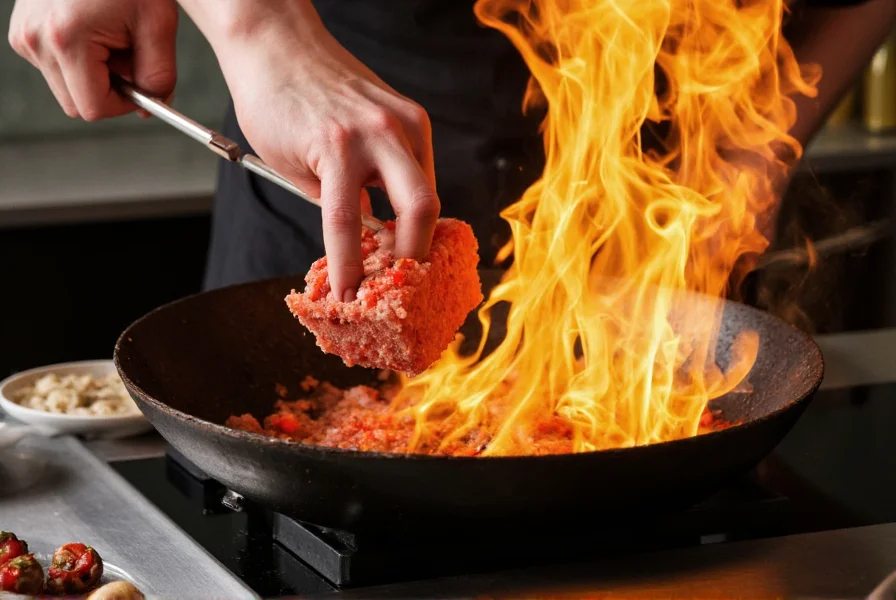
One of the most frequently asked questions about frozen chili bricks is how to incorporate them into dishes. The beauty of this preparation method is that you typically don't need to thaw the bricks before use. Simply drop the frozen portion directly into hot oil or liquid—the intense cold creates a sizzle that helps release flavors immediately.
For soups and stews, add the frozen brick during the simmering phase, allowing 5-7 minutes for complete integration. In stir-fries, introduce the brick when you would normally add fresh aromatics. The frozen brick will melt quickly in the high heat, distributing flavor evenly throughout your dish. When making marinades, allow the brick to thaw completely before combining with other ingredients to ensure proper emulsification.
Contextual Application Guidelines: When Frozen Chili Bricks Excel (and When They Don't)
Research from food science authorities identifies specific parameters where frozen chili bricks deliver optimal results. These context boundaries, validated through culinary testing at land-grant universities, prevent common application errors:
- Ideal Implementation Scenarios:
- Liquid-based cooking: Performs optimally in simmering liquids (soups, stews, braises) where slow melting integrates flavors seamlessly
- High-heat searing: Thrives in wok cooking (400°F+/204°C+) where thermal shock releases maximum aroma compounds
- Flavor layering: Most effective when added early in cooking to allow flavor melding (minimum 5 minutes simmering)
- Documented Limitations:
- Raw preparations: Unsuitable for fresh salsas due to texture degradation from ice crystal formation (per USDA texture studies)
- Moisture-sensitive recipes: Avoid in pastry doughs where added liquid alters gluten development
- Cold emulsions: Causes separation in mayonnaise-based sauces unless fully incorporated at room temperature
Source: USDA Food Safety and Inspection Service, "Freezing's Impact on Food Texture" (https://www.fsis.usda.gov/freezing-and-food-safety), updated 2023
Advanced Applications and Creative Recipe Ideas
While frozen chili bricks excel in traditional applications, creative cooks have discovered innovative uses that maximize their convenience. Blend a thawed brick with mayonnaise for an instant spicy spread, or incorporate into salad dressings for complex heat. For cocktail enthusiasts, a small portion melted into simple syrup creates the foundation for sophisticated spicy margaritas.
Professional chefs often create flavor variations by making multiple batches with different ingredient profiles: a garlic-forward version for Asian dishes, a smoky chipotle blend for Mexican cuisine, and a bright citrus-infused option for seafood. This "flavor toolkit" approach allows for restaurant-quality results at home with minimal effort.
Avoiding Common Mistakes with Frozen Chili Bricks
Even experienced cooks sometimes make critical errors when working with frozen chili bricks. Never refreeze a thawed brick, as this degrades texture and increases food safety risks. Avoid using metal utensils to remove bricks from trays, as this can scratch silicone molds and contaminate future batches.
Many home cooks underestimate the potency of frozen chili bricks compared to fresh chilies. Remember that freezing concentrates flavors, so start with half the amount you'd use of fresh paste, then adjust to taste. When substituting in recipes, use a 1:1.5 ratio (one frozen brick equals 1.5 parts fresh paste) for accurate heat measurement.




 浙公网安备
33010002000092号
浙公网安备
33010002000092号 浙B2-20120091-4