
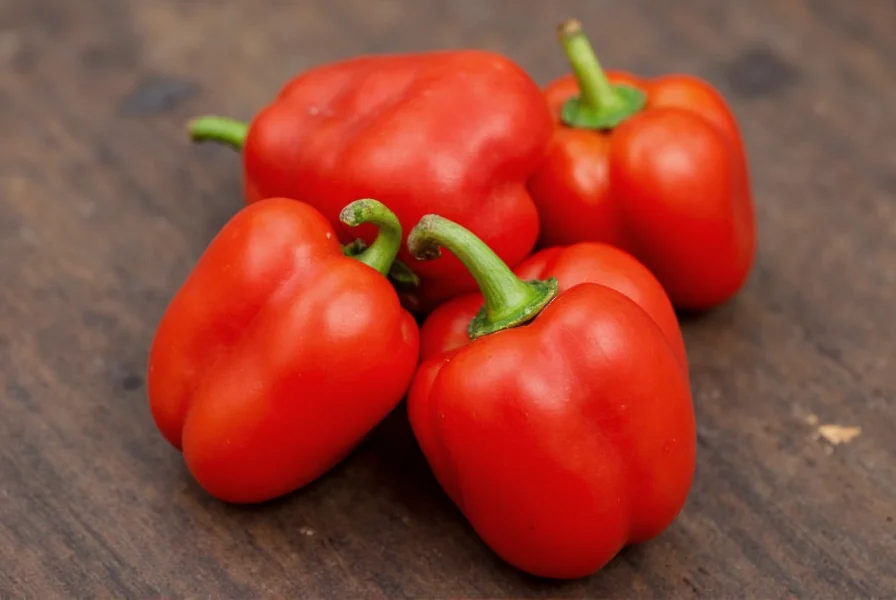
When exploring trinidad scorpion butch t pepper characteristics, this Capsicum chinense variety stands out for its unique balance of extreme heat and complex flavor. Developed by Butch Taylor in South Carolina, this pepper earned recognition when it briefly held the Guinness World Record for hottest chili in 2011 before being surpassed by the Carolina Reaper.
Understanding the Heat Level
The trinidad scorpion butch t pepper Scoville rating typically ranges from 1.4 to 1.5 million units, placing it in the same heat category as other scorpion peppers but slightly milder than the current record-holders. This intense heat requires careful handling and culinary consideration.
| Pepper Variety | Scoville Heat Units | Relative Heat Comparison |
|---|---|---|
| Trinidad Scorpion Butch T | 1,400,000-1,500,000 SHU | 280-300 times hotter than jalapeño |
| Carolina Reaper | 1,400,000-2,200,000 SHU | 280-440 times hotter than jalapeño |
| Habanero | 100,000-350,000 SHU | 20-70 times hotter than jalapeño |
| Jalapeño | 2,500-8,000 SHU | Baseline |
Historical Context: The Race for the Hottest Pepper
The Trinidad Scorpion Butch T's brief reign as the world's hottest pepper in 2011 marked a significant milestone in chili pepper breeding. According to historical verification from independent laboratories and record-keeping authorities, the progression of super-hot peppers has accelerated dramatically:
Following the initial identification of Trinidad Scorpion varieties in Trinidad and Tobago around 2005, Butch Taylor's selective breeding in South Carolina led to the Butch T cultivar. In February 2011, it was officially recognized by Guinness World Records with a Scoville rating of 1,463,700 SHU (The Guardian, 2011). However, this record was short-lived; by 2012, the Trinidad Moruga Scorpion was measured at over 2 million SHU by Winthrop University (Winthrop University, 2012), and in 2013 the Carolina Reaper claimed the title (Guinness World Records).
This rapid evolution highlights how selective breeding has systematically increased capsaicin production, with each new record holder typically surpassing its predecessor within 1-2 years through controlled environmental stressors.
Physical Characteristics and Flavor Profile
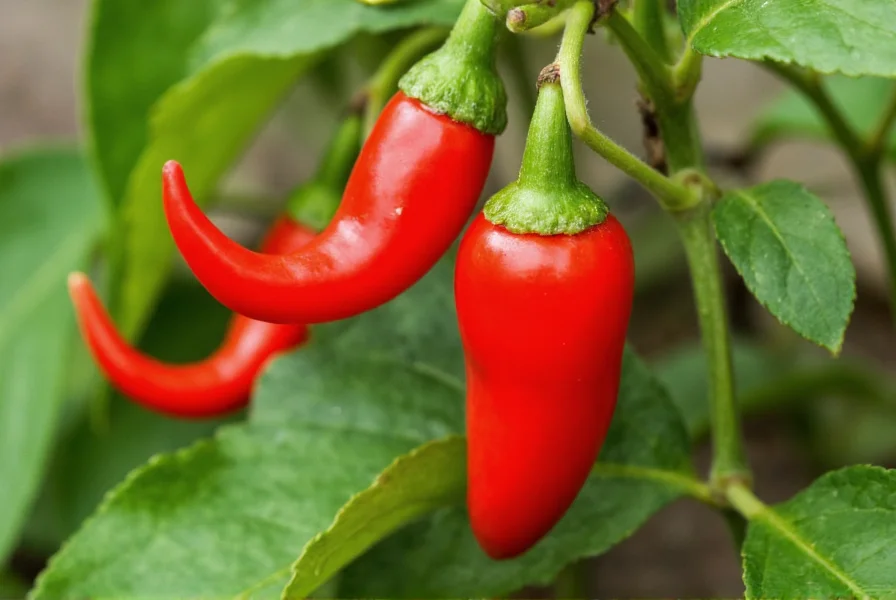
Unlike many super-hots that sacrifice flavor for heat, the trinidad scorpion butch t pepper taste features a surprising complexity. These peppers typically grow 1.5-2 inches long with a distinctive "scorpion tail" shape and bumpy texture. They mature from green to vibrant red, though some variants may turn yellow or chocolate-colored.
The initial flavor offers tropical fruit notes of mango and citrus before the intense heat builds gradually. This delayed heat response—taking 30-45 seconds to peak due to the time required for capsaicin to bind to TRPV1 pain receptors (American Chemical Society)—makes the Butch T variety particularly dangerous for inexperienced eaters who might consume too much before feeling the full effects.
Growing Trinidad Scorpion Butch T Peppers
For gardeners interested in how to grow trinidad scorpion butch t peppers, these plants require specific conditions:
- Climate: Thrives in tropical or subtropical environments (USDA zones 10-11)
- Soil: Well-draining, slightly acidic (pH 6.0-6.8) with organic matter
- Sunlight: Minimum 6-8 hours of direct sunlight daily
- Watering: Consistent moisture without waterlogging
- Growing season: 90-120 days from transplant to maturity
When cultivating trinidad scorpion butch t pepper plants, start seeds indoors 8-10 weeks before last frost. These peppers develop best with warm temperatures (75-90°F) and high humidity. The plants typically reach 2-4 feet in height and produce 20-40 peppers per season under optimal conditions.
Understanding the context boundaries for growing Trinidad Scorpion Butch T peppers is essential for achieving optimal results. Research from agricultural extensions shows:
- Heat variation under stress: While consistent care yields peppers at the expected 1.4-1.5M SHU, environmental stressors like irregular watering or nutrient deficiencies can increase capsaicin production (potentially exceeding 1.6M SHU) but often at the cost of reduced fruit size and yield (University of Illinois Extension, 2021).
- Climate constraints: Successful outdoor cultivation is limited to USDA zones 10-11. In cooler zones, greenhouse cultivation with supplemental heating is necessary to maintain temperatures above 75°F, as growth significantly slows below 60°F (University of Florida IFAS, 2015).
- Soil pH sensitivity: The ideal pH range (6.0-6.8) is critical for nutrient uptake. Values below 5.5 cause calcium and magnesium deficiencies, while alkaline conditions (above 7.0) lead to iron chlorosis, both reducing plant health and fruit production (North Carolina State University Extension).
Culinary Applications and Safety
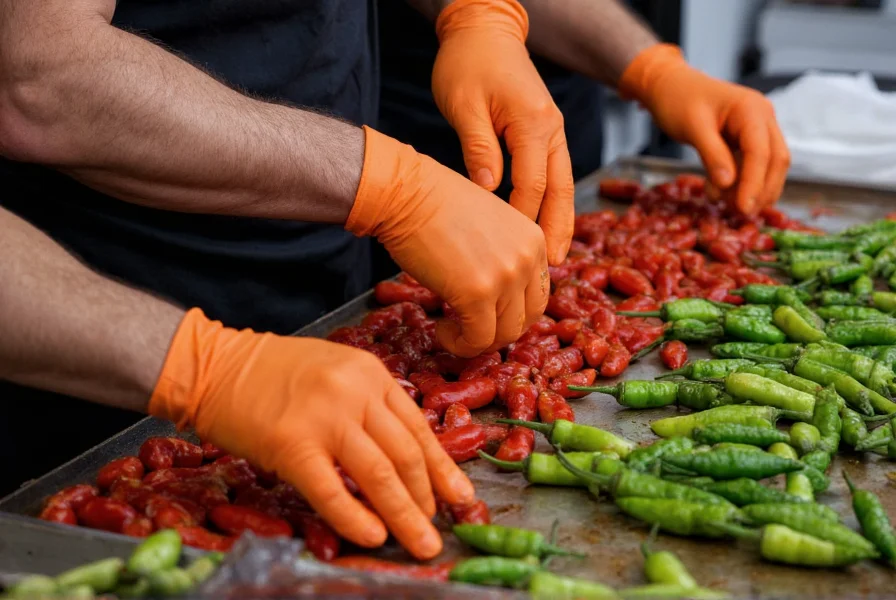
Chefs working with trinidad scorpion butch t pepper uses must exercise extreme caution. Always wear gloves when handling these peppers, and avoid touching your face. The capsaicin oils can cause severe irritation to skin and eyes.
For culinary applications, consider these approaches:
- Use sparingly in hot sauces where its fruity notes can shine
- Add to small quantities in Caribbean-style stews and jerk marinades
- Create infused oils (with proper safety precautions)
- Make small-batch specialty hot sauces
- Use dried and powdered in minute quantities for spice blends
Never consume these peppers raw unless you're an experienced heat enthusiast. The trinidad scorpion butch t pepper effects can include intense burning sensation, sweating, nausea, and in extreme cases, temporary breathing difficulties.
Comparing Super-Hot Peppers
Many enthusiasts ask about trinidad scorpion butch t pepper vs carolina reaper. While both rank among the world's hottest peppers, key differences exist:
- Heat profile: Butch T delivers a slower-building, more manageable heat compared to the Reaper's immediate, overwhelming burn
- Flavor: Butch T has more pronounced fruity notes while Reaper leans toward caramel undertones
- Shape: Butch T features the classic scorpion tail; Reaper has a distinctive bumpy "dragon's breath" appearance
- Heat range: Butch T averages 1.4-1.5M SHU; Reaper averages 1.5-2.2M SHU
Where to Find Trinidad Scorpion Butch T Peppers
Finding authentic trinidad scorpion butch t pepper seeds requires care, as many vendors mislabel super-hot varieties. Reputable seed companies specializing in heirloom peppers offer the most reliable sources. Some specialty farmers markets in warmer climates may carry fresh peppers during harvest season (typically late summer to fall).
For those seeking trinidad scorpion butch t pepper for sale in processed forms, look for small-batch hot sauce producers who specifically mention this variety. Freeze-dried powder offers a safer way to experience this pepper's flavor without overwhelming heat.
Responsible Consumption Guidelines
Before experimenting with trinidad scorpion butch t pepper challenges, understand these safety considerations:
- Start with minuscule amounts (1/16 teaspoon of powder or sauce)
- Have dairy products (milk, yogurt) available to neutralize capsaicin
- Never consume on an empty stomach
- Avoid if you have gastrointestinal sensitivities
- Keep away from children and pets
The trinidad scorpion butch t pepper burn treatment primarily involves dairy products, not water, which spreads the capsaicin oils. Whole milk or yogurt provides the most effective relief due to casein's ability to break down capsaicin.




 浙公网安备
33010002000092号
浙公网安备
33010002000092号 浙B2-20120091-4