
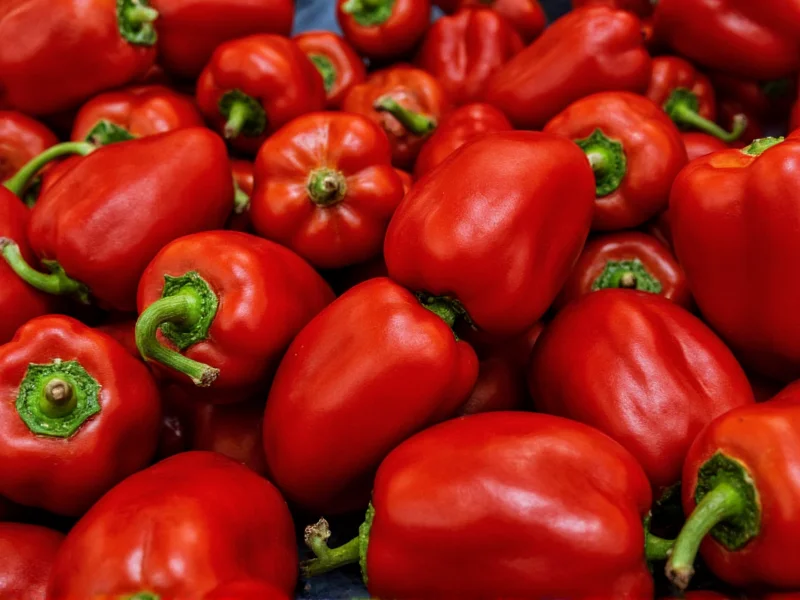
Fresno peppers occupy a versatile middle ground in the chili pepper spectrum, offering noticeable heat without overwhelming spice. Understanding their precise heat level helps home cooks and culinary professionals make informed decisions when selecting peppers for recipes. Unlike some chili varieties with extreme heat ranges, Fresnos provide reliable medium spice that enhances dishes without dominating them.
Understanding Fresno Pepper Heat Measurement
The Scoville scale measures chili pepper heat by determining capsaicin concentration—the compound responsible for spiciness. Fresno peppers register between 2,500 and 10,000 Scoville Heat Units (SHU), though most commonly fall in the 5,000–7,000 SHU range. This measurement places them just above jalapeños (2,500–8,000 SHU) and below serranos (10,000–23,000 SHU) on the heat spectrum.
Several factors influence Fresno pepper heat levels:
- Maturity: Red Fresnos (fully mature) typically measure hotter than green Fresnos (harvested early)
- Growing conditions: Soil composition, water stress, and sunlight exposure affect capsaicin production
- Individual variation: Even within the same plant, heat can differ between peppers
- Preparation method: Removing seeds and membranes significantly reduces perceived heat
Historical Context of Heat Measurement Evolution
Scientific understanding of Fresno pepper heat has evolved through key milestones that explain modern measurement reliability:
- 1952: USDA horticulturist Clarence "Bud" Gould develops Fresno peppers in California, but initial heat assessments relied on subjective taste tests with inconsistent results [Source: New Mexico State University Chile Pepper Institute]
- 1982: High-performance liquid chromatography (HPLC) becomes the American Chemical Society's standard method, replacing Scoville's organoleptic test and enabling precise capsaicin quantification [Source: Journal of Agricultural and Food Chemistry]
- 2020: Genomic research identifies specific Capsicum annuum genes regulating capsaicin production, explaining why heat varies up to 4x between individual Fresno peppers [Source: Scientific Reports]
Fresno Pepper Heat Comparison Chart
| Pepper Variety | Scoville Heat Units (SHU) | Heat Level | Relative Heat Comparison |
|---|---|---|---|
| Fresno (green) | 2,500–5,000 | Mild-Medium | Similar to mild jalapeño |
| Fresno (red) | 5,000–10,000 | Medium | 1.5x hotter than average jalapeño |
| Jalapeño | 2,500–8,000 | Mild-Medium | Baseline for comparison |
| Serrano | 10,000–23,000 | Medium-Hot | 2–3x hotter than Fresno |
| Habanero | 100,000–350,000 | Very Hot | 15–30x hotter than Fresno |
Flavor Profile Beyond Heat
While heat measurement is important, Fresno peppers offer more than just spiciness. They possess a distinctive flavor profile that makes them valuable in culinary applications:
- Fruity undertones: Particularly noticeable in red Fresnos, with subtle berry-like notes
- Grassy freshness: Green Fresnos provide a bright, vegetal quality similar to bell peppers
- Earthy complexity: Develops when roasted or cooked, enhancing sauces and salsas
- Gradual heat build-up: Unlike serranos' immediate punch, Fresnos deliver a slower, more manageable warmth
This balanced combination of moderate heat and nuanced flavor makes Fresnos particularly versatile. They work well in raw applications like pico de gallo where jalapeños might overpower, while still providing enough heat for cooked dishes where milder peppers would disappear.
Culinary Applications by Heat Level
Understanding fresno pepper heat level compared to jalapeno helps determine appropriate culinary uses. Their medium heat makes them suitable for:
Raw Applications
Thinly sliced green Fresnos add gentle heat to:
- Fresh salsas and pico de gallo
- Salad garnishes and vegetable relishes
- Guacamole and avocado toast toppings
- Ceviche and seafood cocktails
Cooked Dishes
Red Fresnos shine in cooked applications where their fruity notes develop:
- Marinades for chicken, pork, or fish
- Roasted pepper sauces and hot honey infusions
- Stews and braises where gradual heat infusion is desired
- Pickled pepper mixes for sandwiches and burgers
Contextual Limitations and Ideal Use Cases
Fresno peppers excel in specific scenarios but face constraints that affect culinary suitability:
- Heat Consistency Challenges: Natural variation (up to 4x SHU difference between peppers on the same plant) makes them unreliable for commercial sauce production requiring precise heat levels. Pre-testing peppers is essential for batch consistency [Source: Chile Pepper Institute]
- Cultural Authenticity Constraints: In traditional Mexican cuisine, serranos dominate salsas requiring bright, sharp heat (e.g., salsa verde), while Fresnos—developed in California—are better suited to Southwestern U.S. dishes where their fruitier profile complements regional ingredients [Source: Chile Pepper Institute]
- Storage Limitations: Thinner walls than jalapeños reduce shelf life to 5–7 days refrigerated (vs. 10–14 days). Freezing preserves heat but alters texture for raw applications [Source: University of California Agriculture and Natural Resources]
Substitution Guidance Based on Heat Preference
When fresno pepper heat range doesn't match your needs, consider these substitutions:
Milder Alternatives
- Yellow wax peppers (500–5,000 SHU): Similar shape with less heat
- Poblano peppers (1,000–2,000 SHU): Earthier flavor, significantly milder
- Pepperoncini (100–500 SHU): Vinegary tang with minimal heat
Hotter Alternatives
- Serrano peppers (10,000–23,000 SHU): Nearly identical appearance with more intense heat
- Hungarian wax peppers (1,000–15,000 SHU): Can reach similar heat levels when mature
- Thai bird chilies (50,000–100,000 SHU): For extreme heat with different flavor profile
Managing Heat in Cooking
Several techniques help control fresno pepper spiciness in dishes:
- Seed and membrane removal: Discard the white ribs and seeds where most capsaicin concentrates
- Soaking in dairy: Briefly soak sliced peppers in buttermilk or yogurt to reduce surface heat
- Cooking time adjustment: Add peppers later in cooking for brighter heat; earlier for mellowed spice
- Balancing ingredients: Counter heat with acid (lime juice), sweetness (honey), or fat (avocado)
Growing Conditions Impact on Heat
Home gardeners can influence fresno pepper heat range through cultivation practices:
- Water stress: Slightly reducing water near harvest time increases capsaicin production
- Soil nutrients: Lower nitrogen levels often produce hotter peppers
- Sun exposure: Maximum sunlight intensifies heat development
- Harvest timing: Allowing peppers to fully ripen to red increases heat and flavor complexity
Interestingly, while many assume hotter conditions always produce spicier peppers, extreme heat stress can actually reduce capsaicin production as the plant focuses on survival rather than defense compound creation.
Safety Considerations with Medium-Heat Peppers
Despite being medium-heat, fresno peppers require proper handling:
- Wear gloves when handling, especially when working with multiple peppers
- Avoid touching face or eyes during preparation
- Wash cutting boards and knives thoroughly with soapy water after use
- Store fresh peppers in perforated plastic bags in the refrigerator crisper
- Freeze whole peppers for long-term storage without texture loss
Conclusion
Fresno peppers offer a balanced medium heat level (2,500–10,000 SHU) that makes them exceptionally versatile in the kitchen. Understanding how fresno pepper heat compares to jalapeno and other common varieties allows cooks to select the right pepper for each application. Their gradual heat build-up and complex flavor profile—combining grassy freshness in green varieties with fruity notes in red versions—provide culinary advantages over both milder and hotter alternatives. Whether used raw in salsas or cooked into sauces, Fresnos deliver reliable, manageable heat that enhances rather than overwhelms dishes. Critical context boundaries—such as their unsuitability for traditional Mexican salsas requiring serrano-level sharpness and storage limitations due to thin walls—ensure optimal culinary application.




 浙公网安备
33010002000092号
浙公网安备
33010002000092号 浙B2-20120091-4