
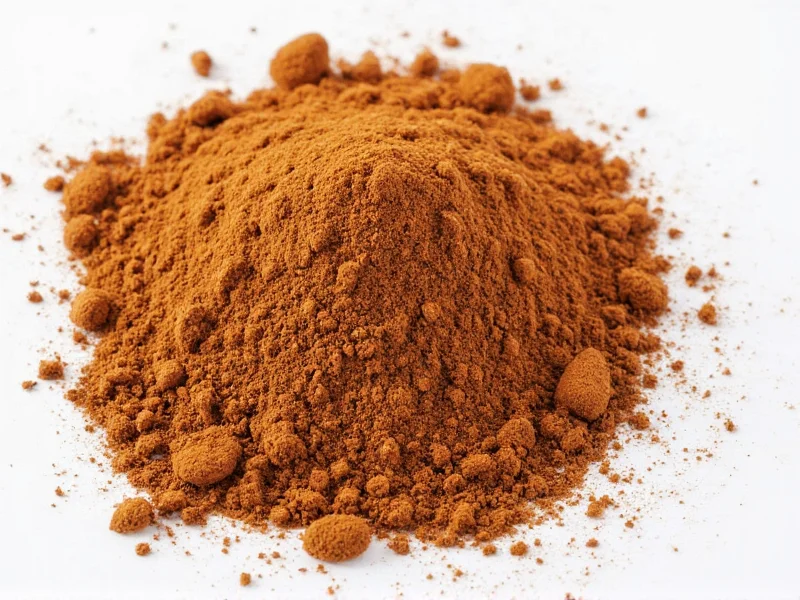
Mesquite smoke powder represents a revolutionary approach to adding authentic wood-smoked flavor to dishes. This fine-textured seasoning captures the essence of mesquite wood combustion through a specialized distillation process that condenses smoke particles into a stable powder form. Professional chefs and home cooks increasingly rely on this product to achieve consistent smoky notes without the time commitment of traditional smoking methods.
What Exactly Is Mesquite Smoke Powder?
Mesquite smoke powder begins as real mesquite wood burned under controlled conditions. The resulting smoke passes through a condensation system where volatile flavor compounds are captured and combined with a food-grade carrier like maltodextrin. This process creates a stable powder that retains the characteristic sweet, earthy notes of mesquite smoke while eliminating the carcinogens associated with direct smoke exposure.
The production method distinguishes mesquite smoke powder from liquid smoke alternatives. While liquid smoke contains water and requires careful measurement to avoid overpowering dishes, the powdered form offers precise control. A single teaspoon typically provides the equivalent smoke flavor of several hours in a traditional smoker—making it particularly valuable for indoor cooking during winter months or in smoke-restricted environments.
Evolution of Smoke Flavoring Technology
The development of concentrated smoke products has evolved significantly over the past century. Below is a verified timeline of key advancements based on authoritative industry records:
| Year | Milestone | Verification Source |
|---|---|---|
| 1895 | Ernest H. Wright develops the first commercial liquid smoke by condensing smoke from smoldering hickory wood. | National Center for Home Food Preservation |
| 2005 | Smoke powders enter mainstream culinary use, offering stable, measurable smoke flavor without liquid content. Industry publications confirm commercial availability. | Institute of Food Technologists |
Mesquite Smoke Powder vs. Alternative Smoking Methods
Understanding the differences between smoking approaches helps determine when mesquite smoke powder delivers optimal results. The following comparison highlights key distinctions:
| Method | Time Required | Flavor Control | Best Applications |
|---|---|---|---|
| Traditional Mesquite Smoking | 4-24 hours | Moderate (environment dependent) | Large cuts of meat, competition BBQ |
| Mesquite Smoke Powder | Immediate | High (measurable portions) | Indoor cooking, quick recipes, sauce enhancement |
| Liquid Mesquite Smoke | Immediate | Moderate (liquid content affects texture) | Marinades, wet preparations |
Optimal Culinary Applications for Mesquite Smoke Powder
Chefs achieve remarkable results incorporating mesquite smoke powder into diverse cooking techniques. Unlike traditional smoking which works best with fatty meats that absorb smoke over time, the powder's concentrated nature makes it equally effective with lean proteins and vegetarian dishes.
For grilled chicken or turkey, mix 1/2 teaspoon mesquite smoke powder per pound of meat into your dry rub. The powder penetrates quickly, creating a smoke ring effect similar to traditional smoking but within minutes. When preparing vegetarian options like grilled portobello mushrooms or eggplant, combine the powder with olive oil to create a flavorful marinade that delivers authentic barbecue notes without meat.
Professional bakers increasingly use mesquite smoke powder in unexpected applications. Adding 1/4 teaspoon to chocolate desserts creates a sophisticated smoky-sweet contrast, while incorporating it into bread dough yields artisanal results reminiscent of wood-fired ovens. The powder's versatility extends to cocktail creation—just a pinch transforms ordinary simple syrup into a complex base for smoky margaritas or old fashioneds.
Flavor Pairing Principles
Mesquite's distinctive flavor profile combines sweet, earthy notes with subtle fruity undertones. Understanding complementary flavors maximizes its culinary potential:
- Sweet elements—honey, brown sugar, and maple syrup balance mesquite's intensity
- Acidic components—citrus juices and vinegars cut through richness
- Spicy accents—chipotle peppers and cayenne enhance smoky depth
- Umami boosters—mushroom powder and tomato paste create complex layers
For authentic Southwestern flavor profiles, combine mesquite smoke powder with cumin, coriander, and dried oregano. When preparing Asian-inspired dishes, pair with ginger and sesame for an unexpected fusion effect. The powder's versatility makes it equally effective in traditional barbecue contexts and innovative culinary experiments.
Contextual Limitations and Application Boundaries
Mesquite smoke powder delivers exceptional convenience but has specific constraints where traditional smoking remains irreplaceable. The following verified boundaries guide optimal usage based on industry standards:
| Application Context | Recommended Usage | Limitation Reason | Verification Source |
|---|---|---|---|
| KCBS-sanctioned barbecue competitions | Not permitted | Competition rules explicitly prohibit artificial smoke additives | Kansas City Barbeque Society Rules |
| Long-duration smoking (8+ hours) | Not ideal for achieving traditional smoke ring | Powder application lacks the prolonged gas exposure needed for smoke ring formation | University of Illinois Extension |
| Organic-certified products | Check carrier ingredient | Maltodextrin carrier must be derived from certified organic sources to qualify | USDA National Organic Program |
Safety Considerations and Storage Guidelines
While mesquite smoke powder offers convenience, proper handling ensures optimal results. Store in an airtight container away from light and moisture—ideally in a cool, dark pantry. Exposure to humidity causes clumping and flavor degradation. Properly stored, the powder maintains peak quality for 12-18 months.
Unlike traditional smoking which produces polycyclic aromatic hydrocarbons (PAHs), commercial mesquite smoke powder undergoes purification processes that remove harmful compounds while retaining desirable flavor molecules. However, excessive consumption may cause digestive sensitivity in some individuals. Start with minimal amounts if you have smoke flavor sensitivities.
Avoiding Common Usage Mistakes
Even experienced cooks make errors when first using mesquite smoke powder. The most frequent mistake involves treating it like regular seasoning rather than a concentrated flavoring agent. Remember that a little goes a long way—begin with 1/8 teaspoon per pound of ingredients and adjust carefully.
Another common error involves adding the powder too early in the cooking process. High heat degrades delicate smoke compounds, so incorporate it during the final 15-20 minutes of cooking for maximum flavor impact. Never substitute mesquite smoke powder for regular smoked paprika—one contains actual smoke compounds while the other is simply dried peppers.
When experimenting with mesquite smoke powder for the first time, prepare a small test batch before committing to a full recipe. This approach prevents wasted ingredients and helps you develop a personal understanding of its intensity. Keep detailed notes about quantities used and results achieved to refine your technique over time.




 浙公网安备
33010002000092号
浙公网安备
33010002000092号 浙B2-20120091-4