
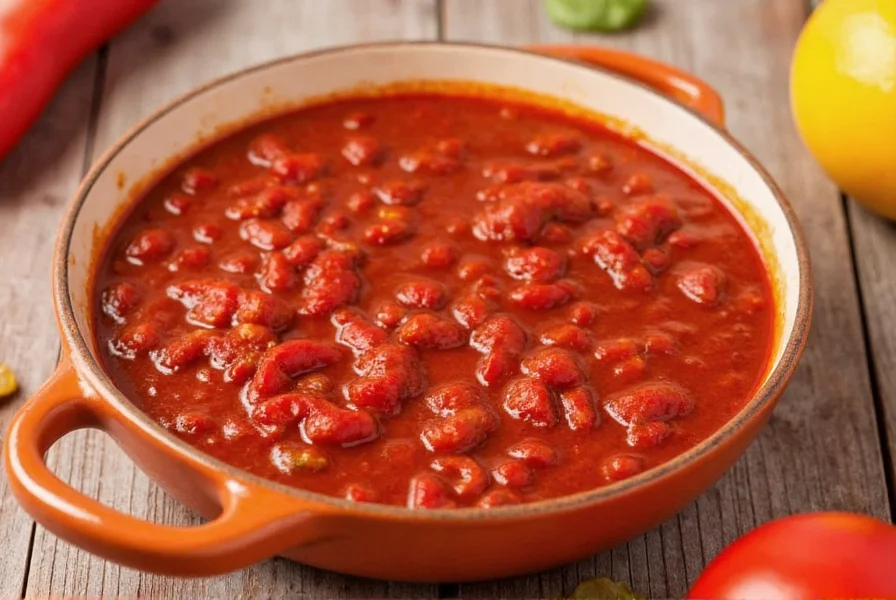
When your recipe calls for Fresno chilies but you can't find them at the grocery store, knowing the right substitute makes all the difference in your dish. These vibrant red or green peppers bring a distinctive medium heat (2,500-10,000 Scoville units) with bright, slightly sweet notes that enhance salsas, sauces, and stuffed pepper dishes. Understanding what makes Fresno chilies unique helps you select the perfect replacement without compromising your culinary creation.
Understanding Fresno Chili Characteristics
Fresno chilies occupy a sweet spot between mild and hot peppers. They're often confused with jalapeños but offer a fruitier flavor profile with comparable heat that can sometimes exceed jalapeños. When fresh, they range from bright green to deep red as they mature. Their thin walls make them excellent for pickling, while their moderate heat works well in both cooked and raw applications. This versatility explains why home cooks frequently seek suitable Fresno chili replacements when they're unavailable.
Top Fresno Chili Substitutes Compared
| Pepper Type | Heat Level (SHU) | Flavor Profile | Best Recipe Applications | Substitution Ratio |
|---|---|---|---|---|
| Fresno (reference) | 2,500-10,000 | Bright, slightly sweet, grassy | Salsas, sauces, stuffed peppers | 1:1 |
| Jalapeño | 2,500-8,000 | Grassy, vegetal, less sweet | Salsas, nacho toppings, pickled | 1 Fresno = 1-1.5 jalapeños |
| Serrano | 10,000-23,000 | Sharp, bright, more intense heat | Pico de gallo, hot sauces, guacamole | 1 Fresno = 0.5 serrano |
| Poblano | 1,000-2,000 | Earthy, mild, slightly sweet | Chiles rellenos, ristras, roasted dishes | 1 Fresno = 1.5-2 poblanos |
| Canned Chipotle | 2,500-8,000 | Smoky, earthy, complex | Stews, braises, barbecue sauces | 1 Fresno = 1-2 chipotles in adobo |
Jalapeños: The Most Accessible Fresno Chili Replacement
When searching for the best substitute for Fresno chilies in recipes, jalapeños stand out as the most widely available option. Though slightly milder on average, they share similar flavor characteristics that work well in most applications. For raw preparations like salsas or salads, use equal parts jalapeño to Fresno chili. When cooking, remember that jalapeños lose heat more quickly than Fresnos, so you might need to increase the quantity slightly. The best fresno chili vs jalapeno heat comparison reveals that mature red jalapeños provide the closest match to red Fresnos in both color and flavor complexity.
Serranos: For Those Who Prefer More Heat
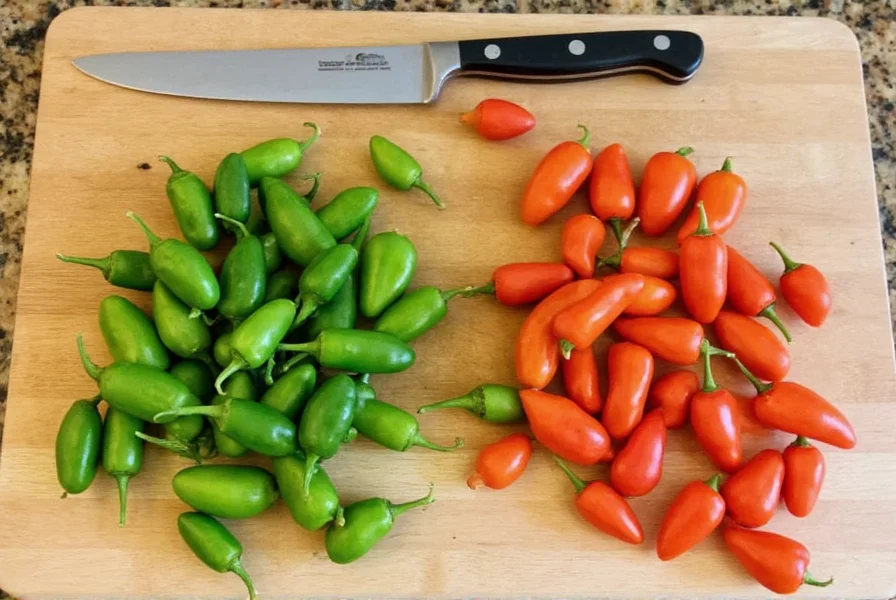
If you enjoy the brighter heat of mature Fresno chilies, serranos offer a worthy alternative with their crisp, intense flavor. Their thinner walls and similar shape make them excellent for recipes requiring diced peppers. When replacing Fresno chilies with serranos in salsa recipes, use half the amount since serranos pack nearly double the heat. This substitution works particularly well in pico de gallo or fresh guacamole where the sharper heat complements other ingredients. Understanding fresno chili replacement options means recognizing when extra heat enhances rather than overwhelms your dish.
Poblanos: The Mild Alternative for Stuffed Pepper Dishes
For recipes specifically calling for stuffed Fresno chilies, poblanos provide the ideal structural substitute despite their milder heat. Their larger size and thicker walls hold fillings beautifully, making them perfect when seeking a fresno chili alternative for stuffed peppers. Roast poblanos first to develop their natural sweetness, which compensates for their lower heat level. When substituting in chile relleno recipes, use one and a half to two poblanos for each Fresno chili called for in the original recipe. This mild replacement works especially well for family-friendly dishes where excessive heat might be problematic.
Specialty Substitutions for Specific Applications
Certain recipes benefit from more specialized Fresno chili replacements. For cooked sauces and stews, consider using chipotle peppers in adobo sauce as a flavorful alternative. The smoky depth they provide works well in braised dishes where fresh chilies might lose their character. When making pickled peppers, Hungarian wax peppers offer a similar texture and moderate heat that closely mimics preserved Fresnos. For dried pepper applications, guajillo chilies provide comparable fruitiness with mild heat, making them excellent for mole sauces or spice blends requiring a fresno chili replacement in dried form.
Adjusting Recipes When Substituting Peppers
Successful substitution requires more than just swapping one pepper for another. Consider these adjustments when replacing Fresno chilies:
- Heat management: Always taste your substitute pepper first. If using a hotter alternative like serrano, start with half the quantity and adjust to taste.
- Texture considerations: Peppers with thicker walls (like poblanos) take longer to cook than Fresnos' thinner walls.
- Flavor balancing: Milder substitutes may need additional acid (lime juice) or sweetness (a pinch of sugar) to compensate.
- Color impact: Red substitutes work best in dishes where vibrant color matters, while green alternatives maintain traditional presentation.
Avoiding Common Substitution Mistakes
Many home cooks make critical errors when seeking Fresno chili replacements. Never substitute extremely hot peppers like habaneros without significant quantity reduction. Avoid using bell peppers as direct substitutes since they lack the characteristic heat and complex flavor profile. When replacing fresh chilies with dried alternatives, remember that dried peppers concentrate flavors and require rehydration. The most overlooked aspect of mild chili pepper replacements for Fresno is accounting for how heat perception changes during cooking—what seems mild raw can become surprisingly hot when cooked down.
Practical Application: Salsa Recipe Adjustment
Consider a fresh tomato salsa recipe calling for two diced Fresno chilies. If using jalapeños instead, start with one and a half peppers, seeds and membranes removed for milder heat. For serranos, begin with just half a pepper, finely minced. Poblanos would require two peppers to achieve similar flavor impact. Always let the salsa rest for 30 minutes after preparation to allow flavors to meld, then adjust seasoning if needed. This approach to how to replace fresno chilies in salsa ensures your finished product maintains the intended flavor balance.




 浙公网安备
33010002000092号
浙公网安备
33010002000092号 浙B2-20120091-4