
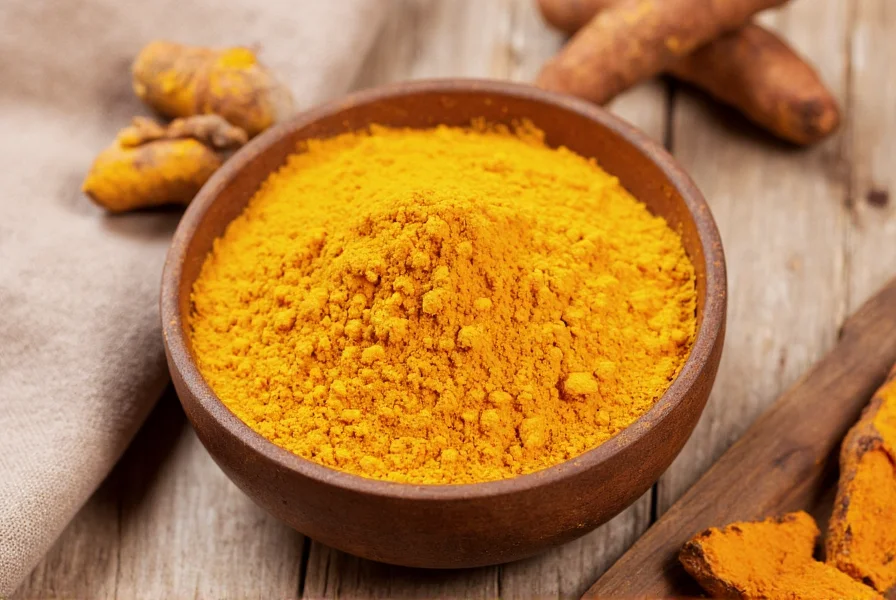
When exploring foods with turmeric, you'll discover this ancient spice has been a culinary staple across multiple continents for thousands of years. Turmeric's earthy, slightly bitter flavor and distinctive golden hue make it indispensable in many traditional cooking traditions, particularly throughout South Asia and the Middle East. The active compound curcumin gives turmeric its characteristic color and has been the subject of numerous scientific studies examining its potential health properties.
Traditional Dishes Featuring Turmeric
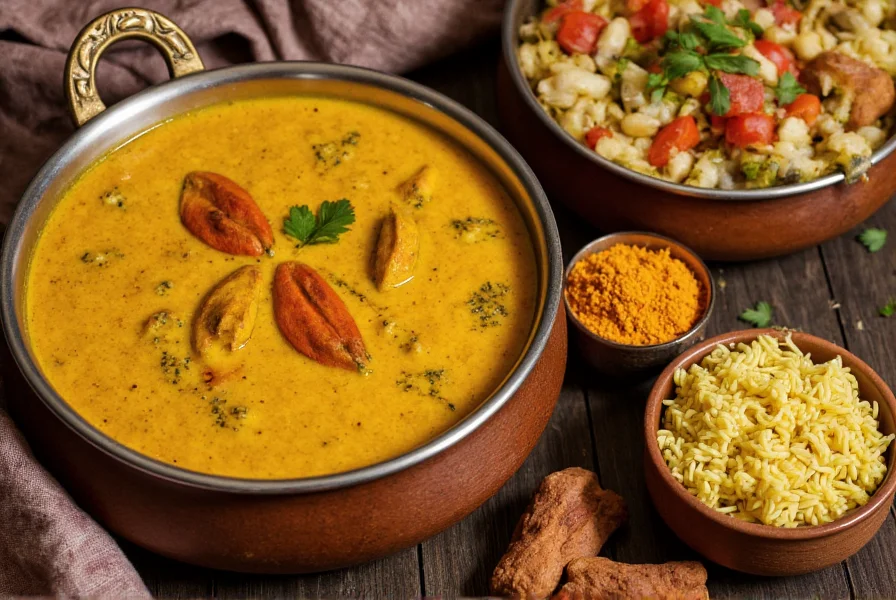
Turmeric forms the backbone of flavor in countless traditional recipes worldwide. In Indian cuisine, it's nearly impossible to find a curry without turmeric, which provides both color and foundational flavor. Popular dishes include:
| Cuisine | Traditional Dishes with Turmeric | How Turmeric Is Used |
|---|---|---|
| Indian | Chicken Tikka Masala, Vegetable Korma, Dal Tadka | Added early in cooking to infuse oil and build flavor base |
| Middle Eastern | Rice pilafs, lentil soups, falafel mixtures | Used for color and subtle earthy notes in grain dishes |
| Southeast Asian | Thai yellow curry, Indonesian sambal, Malaysian laksa | Blended into curry pastes with other aromatics |
| Western | Golden milk, turmeric roasted vegetables, wellness shots | Added for color and potential health benefits |
Traditional Indian dishes with turmeric often begin with "tempering" the spice in hot oil, which releases its essential oils and maximizes flavor absorption. This technique differs from how many Western cooks incorporate turmeric, who might simply sprinkle it into finished dishes. Understanding these cultural preparation methods helps optimize both flavor and potential nutrient availability.
Historical Evolution of Turmeric in Global Cuisine
Turmeric's journey from ancient remedy to global staple spans over 4,000 years, with distinct adoption patterns across civilizations. This evolution explains regional usage differences observed in modern cuisine:
- 2500 BCE: First documented use in Vedic texts of India for religious ceremonies and as a dye, preceding culinary applications. (National Center for Biotechnology Information)
- 700-1200 AD: Arab traders introduced turmeric to East Africa and later West Africa, where it became integrated into textile dyeing but saw limited culinary adoption. (NCBI Historical Review)
- 1280: Marco Polo documented turmeric's saffron-like properties in Southeast Asia, yet European cuisines largely ignored it until the 19th century. (The Travels of Marco Polo, Project Gutenberg)
- 1815: Curcumin isolation by European chemists initiated scientific analysis, but culinary applications remained concentrated in South/Southeast Asia until late 20th-century globalization. (Journal of the Chemical Society, 1910)
- 1980s-Present: Western commercialization shifted focus to turmeric as a coloring agent (e.g., mustard, cheese) rather than flavor foundation, explaining its trace presence in processed foods. (FDA Color Additive Regulations)
This timeline reveals why turmeric functions as a flavor cornerstone in traditional Asian cooking but appears as a minor coloring agent in Western processed foods—a distinction rooted in centuries of divergent culinary adoption.
Everyday Foods Containing Turmeric
Beyond traditional recipes, turmeric appears in numerous everyday foods that might surprise you. Many commercial products use turmeric primarily as a natural coloring agent rather than for its distinctive flavor. Common everyday foods with turmeric include:
- Most prepared mustard varieties (especially yellow mustard)
- Commercial broths and stock cubes
- Many types of cheese (particularly American cheese)
- Some canned tuna and seafood products
- Prepared salad dressings and mayonnaise
- Instant rice and noodle products
- Various snack foods and crackers
When examining ingredient lists, look for "turmeric" or "curcuma longa" as these indicate the presence of the actual spice rather than artificial coloring. Foods that naturally contain turmeric typically list it among the first 5-7 ingredients, while products using it solely for color might list it near the end.
Contextual Boundaries: Optimal Use vs. Common Pitfalls
Turmeric's effectiveness varies dramatically based on preparation context. Understanding these boundaries prevents wasted effort and maximizes culinary value:
| Usage Context | Optimal Conditions | Key Limitations | Authoritative Validation |
|---|---|---|---|
| Culinary Bioavailability | Combined with black pepper (0.2% piperine) and healthy fats (e.g., coconut milk) | Negligible absorption when used alone; degrades in alkaline conditions | NCCIH confirms piperine increases curcumin absorption by 2000% |
| Cooking Methods | Brief oil blooming (30-60 sec) or moderate-heat simmering (≤15 min) | Prolonged boiling (>30 min) degrades 30-50% of curcumin; high-heat frying reduces potency | Peer-reviewed research in Journal of Food Science shows 85% curcumin retention after 10-min simmer (IFT, 2014) |
| Commercial Applications | As natural colorant within FDA limits (≤0.25% in foods) | Trace amounts (0.01-0.1%) in processed foods provide negligible curcumin intake | FDA 21 CFR 73.350 specifies maximum allowable concentrations |
These boundaries explain why casually sprinkling turmeric on dishes yields minimal benefits—optimal results require deliberate pairing with fats and pepper, plus controlled heat exposure. Processed foods containing turmeric rarely meet these conditions, limiting their functional value beyond color enhancement.
Practical Cooking with Turmeric
Understanding how to use turmeric in cooking properly can transform your culinary experience. The spice works best when combined with fat and black pepper, which enhances absorption of curcumin. Here are practical tips for incorporating turmeric into your daily meals:
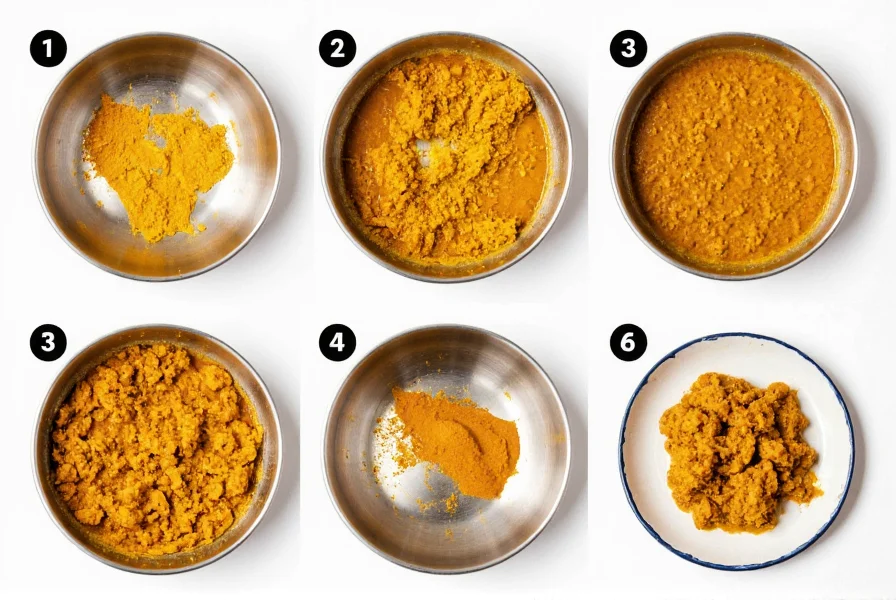
Start with small amounts—1/4 to 1/2 teaspoon per serving—as turmeric's flavor can dominate if used excessively. For maximum flavor development, add turmeric to hot oil early in the cooking process, allowing it to "bloom" for 30-60 seconds before adding other ingredients. This technique, common in traditional Indian cooking with turmeric, unlocks the spice's full aromatic potential.
Common recipes with turmeric that work well for beginners include simple turmeric rice (cook 1 cup rice with 1/2 teaspoon turmeric, 1 tablespoon oil, and 2 cups water), golden milk (simmer 1 cup milk with 1/2 teaspoon turmeric, a pinch of black pepper, and honey to taste), and roasted vegetables (toss vegetables with olive oil, 1 teaspoon turmeric, and salt before roasting).
Maximizing Turmeric's Culinary Benefits
To get the most from foods containing turmeric, consider these evidence-based preparation methods. Research suggests that consuming turmeric with black pepper increases curcumin absorption by up to 2000%, while pairing it with healthy fats like olive oil or coconut milk enhances its bioavailability.
When cooking with turmeric, avoid boiling it for extended periods as high heat can degrade some compounds. Instead, add it during the middle stages of cooking or use it in no-cook applications like salad dressings. For those exploring turmeric recipes for beginners, start with familiar dishes you already enjoy and gradually incorporate small amounts of turmeric to develop your palate.
Proper storage maintains turmeric's potency—keep ground turmeric in an airtight container away from light and heat, where it will retain quality for 6-12 months. Fresh turmeric root lasts 2-3 weeks refrigerated or can be frozen for longer storage. Understanding these details helps ensure you're getting the most from your turmeric-infused dishes.




 浙公网安备
33010002000092号
浙公网安备
33010002000092号 浙B2-20120091-4