
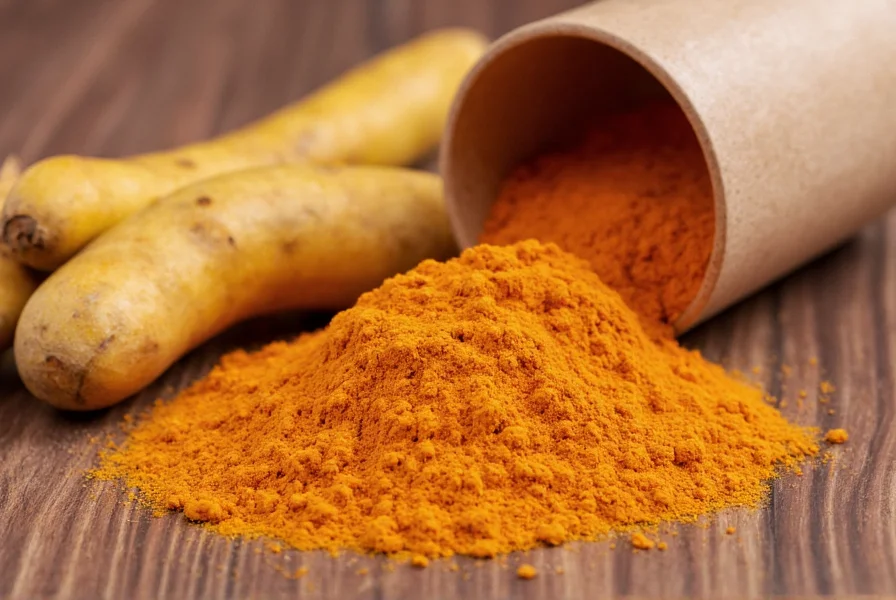
Curcumin, the primary bioactive compound in turmeric (Curcuma longa), has gained significant attention in nutritional science for its potential health benefits. While turmeric contains only about 3% curcumin by weight, dietary supplements concentrate this compound to deliver therapeutic doses that would be impossible to achieve through culinary use alone.
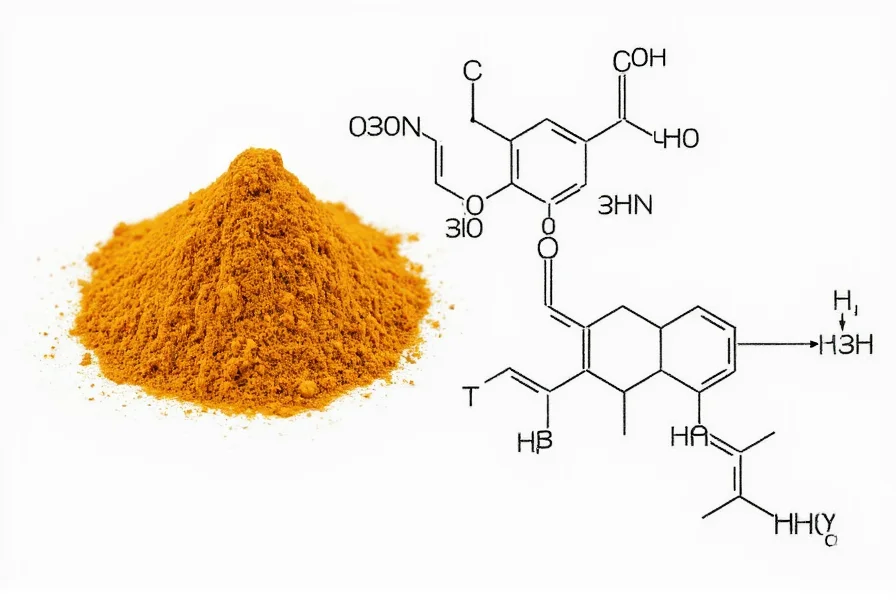
The Science Behind Curcumin
Over 3,000 scientific studies have investigated curcumin's biological activities. Research published in Advances in Experimental Medicine and Biology confirms curcumin modulates multiple biochemical pathways involved in inflammation and oxidative stress. However, curcumin's therapeutic potential is limited by its notoriously poor bioavailability—when consumed alone, it's rapidly metabolized and eliminated.
The evolution of curcumin research reflects a journey from traditional medicine to evidence-based applications. Modern scientific milestones include its initial isolation in 1949, discovery of anti-inflammatory properties in the 1970s, recognition of bioavailability challenges in the 1990s, and recent formulation advances enabling clinical efficacy. This progression is comprehensively documented in a 2017 review published in Foods (https://www.mdpi.com/2304-8158/6/10/92).
Bioavailability Challenges and Solutions
Standard curcumin has less than 1% oral bioavailability. This explains why early studies using plain curcumin showed limited effects. Modern formulations address this through several approaches:
| Formulation Type | Absorption Improvement | Key Research Findings |
|---|---|---|
| Curcumin with piperine | 2,000% increase | Study in Planta Medica showed 20x higher blood levels |
| Liposomal curcumin | Up to 185x improvement | Research in Nutrition Journal demonstrated enhanced tissue delivery |
| Curcumin nanoparticles | 10-40x increase | Study in Molecular Nutrition & Food Research confirmed better absorption |
Evidence-Based Health Benefits
Systematic reviews provide the clearest picture of where turmeric curcumin dietary supplements show promise:
Joint Health Support
A 2022 meta-analysis in Complementary Therapies in Medicine concluded that curcumin supplementation significantly reduces osteoarthritis pain and improves function compared to placebo. The effects appear comparable to low-dose NSAIDs but without gastrointestinal side effects.
Cognitive Function
Research in American Journal of Geriatric Psychiatry found that 90 mg of twice-daily curcumin (with enhanced absorption) improved memory and attention in non-demented adults over 18 months. Brain imaging showed reduced amyloid and tau accumulation in memory-related brain regions.
Metabolic Health
A systematic review in Nutrients reported that curcumin supplementation significantly reduces fasting blood glucose, HbA1c, and insulin resistance in people with metabolic syndrome. The effects appear most pronounced with formulations providing at least 1,000 mg of bioavailable curcumin daily.
Contextual Factors and Limitations
While research shows promise, curcumin's benefits are context-dependent. Key limitations include:
- Joint Health: Most evidence applies to mild-to-moderate osteoarthritis. A 2022 meta-analysis in Complementary Therapies in Medicine noted limited data for rheumatoid arthritis and severe joint damage (https://doi.org/10.1016/j.ctim.2021.102876).
- Cognitive Function: Benefits were observed in non-demented adults; a 2012 clinical trial found no significant cognitive improvement in Alzheimer's patients (Journal of Alzheimer's Disease, https://doi.org/10.3233/JAD-2011-111414).
- Metabolic Health: Effects are most consistent in individuals with diagnosed metabolic syndrome or prediabetes, with less impact on healthy populations (Nutrients, 2020: https://doi.org/10.3390/nu12010192).
Safety Profile and Considerations
Turmeric curcumin dietary supplements are generally well-tolerated at appropriate doses. The European Food Safety Authority established an acceptable daily intake of 0.13 mg per pound (0.3 mg/kg) of body weight. For a 150-pound person, this equals approximately 200 mg of curcumin daily.
Higher doses used in clinical studies (typically 500-1,500 mg of standardized extract) have shown good safety profiles over 6-12 month periods. However, potential side effects include:
- Mild digestive issues (nausea, diarrhea) at high doses
- Increased risk of bleeding when combined with blood thinners
- Potential interactions with diabetes medications
- Contraindicated for people with gallbladder disease
Choosing Quality Turmeric Curcumin Supplements
Not all turmeric curcumin dietary supplements deliver equal benefits. Consider these evidence-based selection criteria:
Standardized Extract
Look for products specifying curcuminoid content (typically 95%). Avoid supplements listing only "turmeric root powder" without standardized curcumin content.
Bioavailability Enhancement
Choose supplements with proven absorption technology. Products containing piperine (black pepper extract), phospholipids, or nanoparticle formulations demonstrate significantly better absorption.
Third-Party Testing
Reputable brands undergo independent testing for purity and potency. Look for certifications from USP, NSF, or ConsumerLab.
Dosage Transparency
The label should clearly state the amount of actual curcumin per serving, not just total turmeric content. Effective doses typically range from 500-1,500 mg of bioavailable curcumin daily.
Realistic Expectations
While research on turmeric curcumin dietary supplements is promising, it's essential to maintain realistic expectations. Curcumin is not a miracle cure but may provide meaningful support as part of a comprehensive health strategy. Effects typically develop gradually over weeks to months of consistent use.
Consult with a healthcare provider before starting supplementation, especially if you have medical conditions or take medications. This is particularly important for individuals on blood thinners, diabetes medications, or chemotherapy drugs.
Frequently Asked Questions
How much curcumin should I take daily for inflammation?
Research suggests effective doses for inflammation range from 500-1,500 mg of bioavailable curcumin daily. Most clinical studies use 500 mg taken twice daily of a formulation with enhanced absorption. Start with the lower dose and consult your healthcare provider for personalized recommendations.
Can turmeric curcumin supplements interact with medications?
Yes, curcumin may interact with blood thinners (like warfarin), diabetes medications, and chemotherapy drugs. It can enhance the effects of anticoagulants, potentially increasing bleeding risk. Always consult your healthcare provider before combining turmeric supplements with prescription medications.
Why do quality turmeric supplements include black pepper?
Black pepper contains piperine, which inhibits the metabolic breakdown of curcumin in the liver and intestinal wall. Research shows piperine can increase curcumin absorption by up to 2,000%. This is why many effective turmeric curcumin dietary supplements combine curcumin with 5-10 mg of piperine for optimal bioavailability.
How long does it take for turmeric supplements to work?
The timeframe varies by intended benefit. For joint pain relief, some studies show improvements within 2-4 weeks, while cognitive benefits may take 8-12 weeks of consistent use. Metabolic improvements typically require 8-12 weeks. Individual responses vary based on formulation, dosage, and personal health factors.
Are there specific populations who should avoid curcumin supplements?
Individuals with gallbladder disease should avoid curcumin as it may stimulate bile production. Those with bleeding disorders or taking anticoagulants require medical supervision due to potential interactions. Pregnant or breastfeeding women should consult a healthcare provider before use, as safety data is limited in these populations.




 浙公网安备
33010002000092号
浙公网安备
33010002000092号 浙B2-20120091-4