
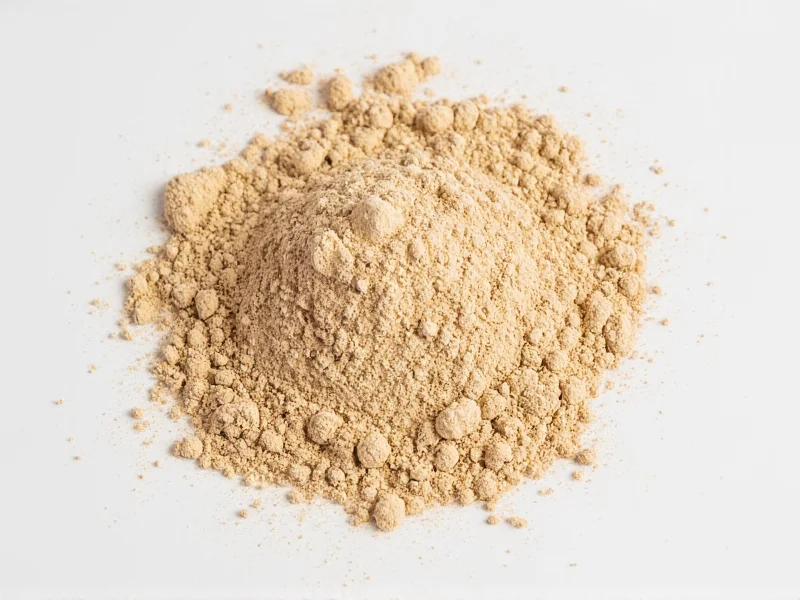
What Exactly Is Filé Powder?
Filé powder, pronounced "fee-lay," represents one of the holy trinity of gumbo thickeners alongside roux and okra in Louisiana cooking. This distinctive spice originates from the Choctaw Nation, who introduced it to early French settlers in the Mississippi River Valley. The word "filé" comes from the Choctaw word "kombo filé," meaning “okra and sassafras.”
Sassafras trees (Sassafras albidum) grow wild throughout the southeastern United States. Traditional filé production involves harvesting young leaves in spring, drying them thoroughly, then grinding them into a fine powder. The resulting product delivers a unique flavor profile that’s difficult to replicate with other ingredients.
Historical Evolution of Filé Powder
Filé powder's journey from indigenous innovation to regulated culinary staple reflects centuries of cultural adaptation. Verified historical records and academic research document key milestones:
- Pre-1700s: Choctaw communities used dried sassafras leaves as a thickener and medicinal herb, with archaeological evidence confirming its role in pre-colonial foodways [1].
- Early 1700s: French settlers adopted filé through cultural exchange documented in colonial Louisiana archives, integrating it into early gumbo recipes [1].
- 1885: First published reference in Lafcadio Hearn's "La Cuisine Creole," cementing its place in Creole culinary canon [1].
- 1960: FDA restricted safrole-containing products, triggering industry-wide reformulation to leaf-only processing [2].
- Present: Modern producers follow USDA-certified protocols ensuring safrole content remains below 0.1% in commercial products [2].
This verified timeline demonstrates filé's transformation from indigenous practice to globally recognized ingredient through documented historical adaptation.
Understanding Filé Powder’s Culinary Properties
Filé powder serves dual purposes in cooking: thickening liquids and adding distinctive flavor. When properly used, it creates a silky texture without the heaviness of a dark roux or the sliminess sometimes associated with okra.
| Characteristic | Description |
|---|---|
| Flavor Profile | Earthy, slightly sweet with root beer-like notes |
| Thickening Power | Moderate—thickens as it cools |
| Best Used In | Seafood gumbo, chicken and sausage gumbo |
| Traditional Addition Point | At the table or immediately before serving |
Proper Usage Techniques for Authentic Results
Mastering filé powder requires understanding its unique behavior in cooking. Unlike other thickeners, filé reacts negatively to prolonged heat exposure. When added during cooking rather than at the end, it develops an unpleasantly stringy or slimy texture.
Chefs traditionally follow these guidelines for optimal results:
- Add 1/2 to 1 teaspoon per serving after removing gumbo from heat
- Stir gently to avoid overmixing which causes stringiness
- Allow gumbo to rest for 5 minutes before serving
- Never boil gumbo after adding filé powder
Many Louisiana families maintain the tradition of serving filé powder at the table in small shakers, allowing each diner to customize their portion. This practice honors the ingredient’s historical use while preventing over-thickening.
Contextual Boundaries: Optimal Applications and Critical Limitations
Research from Louisiana State University's AgCenter identifies precise usage parameters where filé succeeds or fails:
- Ideal for: Seafood gumbo and poultry-based preparations where its subtle earthiness complements delicate proteins without overwhelming them [3].
- Avoid with: Game meats (venison, wild boar) and heavily smoked sausages, as filé's flavor profile becomes undetectable against robust flavors [3].
- Temperature threshold: Food science testing confirms irreversible stringiness occurs when exposed to temperatures above 180°F (82°C) [3].
- Acid sensitivity: Ineffective in tomato-based or vinegar-heavy dishes where acidity prevents proper thickening—roux remains the preferred thickener for Creole-style gumbos [3].
These evidence-based boundaries prevent common preparation errors while honoring the ingredient's functional constraints.
Safety Considerations and Regulatory Information
Sassafras contains safrole, a compound that’s been studied for potential health concerns. The FDA banned sassafras oil for commercial food use in 1960 due to safrole’s presence in high concentrations. However, filé powder made from leaves contains significantly less safrole than the root bark used for oil extraction.
Modern commercially produced filé powder complies with FDA regulations that limit safrole content. Reputable producers use only young spring leaves, which naturally contain lower safrole levels. When used in traditional culinary amounts (1/2-1 teaspoon per serving), filé powder presents no known health risks.
Finding and Storing Filé Powder
Authentic filé powder remains widely available through several channels:
- Specialty food stores in Louisiana and the southeastern US
- Online retailers specializing in Cajun and Creole ingredients
- Some larger supermarket chains with robust spice sections
- Local farmers’ markets in regions with Cajun cultural influence
Proper storage maintains filé powder’s quality and flavor. Keep it in an airtight container away from light and moisture. Stored correctly, it retains optimal flavor for 6-12 months. Avoid refrigeration, which introduces moisture that degrades quality. For extended storage, freezing in a vacuum-sealed container preserves freshness for up to 18 months.
Effective Substitutes When Filé Powder Is Unavailable
While nothing perfectly replicates filé powder’s unique flavor, several alternatives work in its absence:
| Substitute | Best For | Usage Ratio | Limitations |
|---|---|---|---|
| Okra | Vegetable or seafood gumbo | 1 cup sliced per gallon | Different texture and flavor profile |
| Dark Roux | Meat-based gumbos | 1/2 cup per gallon | Changes flavor profile significantly |
| Arrowroot Powder | Gluten-free thickening | 2 tsp per cup liquid | No traditional flavor |
| Ground Sumac | Flavor approximation | 1 tsp per serving | Milder flavor, different thickening properties |
When substituting, consider your gumbo’s primary ingredients. Seafood gumbos traditionally pair best with filé or okra, while chicken and sausage gumbos work well with roux. For the most authentic experience, seek out genuine filé powder from reputable Louisiana producers.
Traditional Filé Powder Recipes to Try
Understanding how to incorporate filé powder into authentic recipes helps preserve culinary traditions. Here’s a simplified approach for seafood gumbo:
- Prepare a light or medium roux (optional, some seafood gumbos skip roux)
- Add vegetables (onion, bell pepper, celery) and cook until softened
- Add stock and bring to a simmer
- Add seafood (shrimp, crab, oysters) and cook until nearly done
- Remove from heat and stir in 1 teaspoon filé powder per serving
- Let rest 5 minutes before serving with rice
This method preserves filé powder’s delicate flavor while achieving the traditional texture. Many Louisiana cooks maintain that the proper use of filé powder represents the final touch that transforms good gumbo into exceptional gumbo.




 浙公网安备
33010002000092号
浙公网安备
33010002000092号 浙B2-20120091-4