
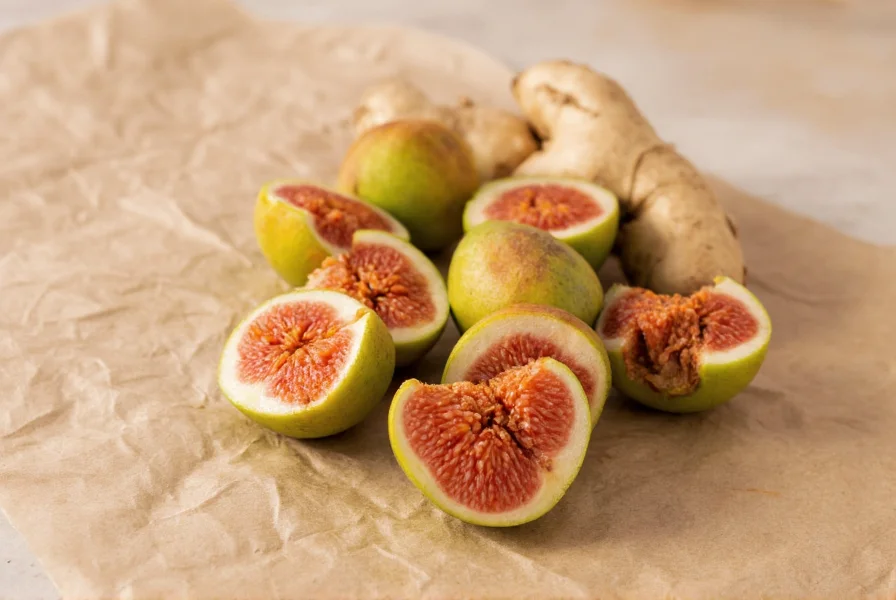
Why Fig Ginger Deserves Your Kitchen Attention
Ever struggled with overly sweet preserves that lack depth? Or searched for natural remedies that actually work? You're not alone. Home cooks and health-conscious eaters increasingly seek ingredient pairings that deliver both flavor and functional benefits without artificial additives. The fig ginger synergy solves this by merging figs' earthy sweetness with ginger's bioactive potency—a solution validated by centuries of Southeast Asian tradition and modern nutritional science.
The Science Behind the Synergy
Ginger (Zingiber officinale) contains gingerols and shogaols—compounds proven to provide antioxidant, anti-inflammatory, and digestive benefits. When paired with figs, which offer fiber, potassium, and natural enzymes, the combination creates a nutritional powerhouse. Research from PMC confirms ginger's efficacy in reducing nausea and inflammation (PMC6616534), while figs' prebiotic properties enhance gut health. This isn't culinary guesswork; it's biochemistry working in your favor.
| Component | Figs (per 100g) | Ginger (per 100g) | Combined Benefit |
|---|---|---|---|
| Key Bioactives | Ficin enzyme, dietary fiber | Gingerols, shogaols | Enhanced digestion & nutrient absorption |
| Antioxidant Capacity | Moderate (ORAC: 3,797) | High (ORAC: 28,811) | Synergistic free-radical protection |
| Sugar Content | Natural (16g) | Low (1.7g) | Reduced added sugar need in recipes |
| Primary Health Role | Prebiotic, laxative | Anti-nausea, anti-inflammatory | Comprehensive digestive support |
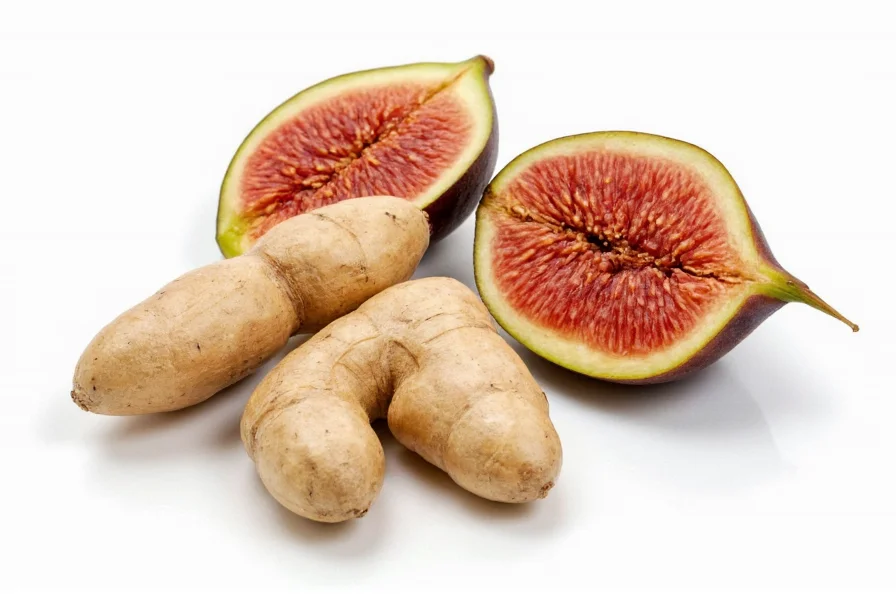
When to Use (and Avoid) Fig Ginger Pairings
Maximize benefits by understanding context-specific applications. Mintel's Southeast Asia market analysis shows fig-ginger products surging due to Muslim dietary preferences (figs are Quran-referenced) and demand for functional foods (Mintel Report). Yet misuse causes flavor imbalances or health conflicts.
| Scenario | Recommended Use | Avoid When |
|---|---|---|
| Cooking Applications | Jams, chutneys, baked goods (ginger cuts fig sweetness) | Delicate dishes like poached pears (ginger overpowers) |
| Health Conditions | Digestive discomfort, seasonal immunity support | Taking blood thinners (ginger interacts with warfarin per Wisconsin Horticulture) |
| Seasonal Pairing | Fall/winter recipes (ginger adds warmth) | Summer fruit salads (use young ginger sparingly) |
| Storage Context | Preserved forms (jams, dried mixes) | Fresh combinations >3 days (rapid texture degradation) |
Mastering Practical Applications
Transform theory into action with these evidence-based techniques. Cocoon Cooks' no-sugar fig ginger jam succeeds by balancing lemon's acidity with ginger's heat—reducing processed sugar by 70% versus traditional preserves (Cocoon Cooks Recipe). For tea, steep dried figs with young ginger slices for 8 minutes; this extracts maximum ficin enzymes without bitterness. Professional chefs in Vietnam's Central Highlands (where ginger is called "Golden Spice") use 1:4 fig-to-ginger ratios in savory sauces to avoid overpowering delicate proteins.
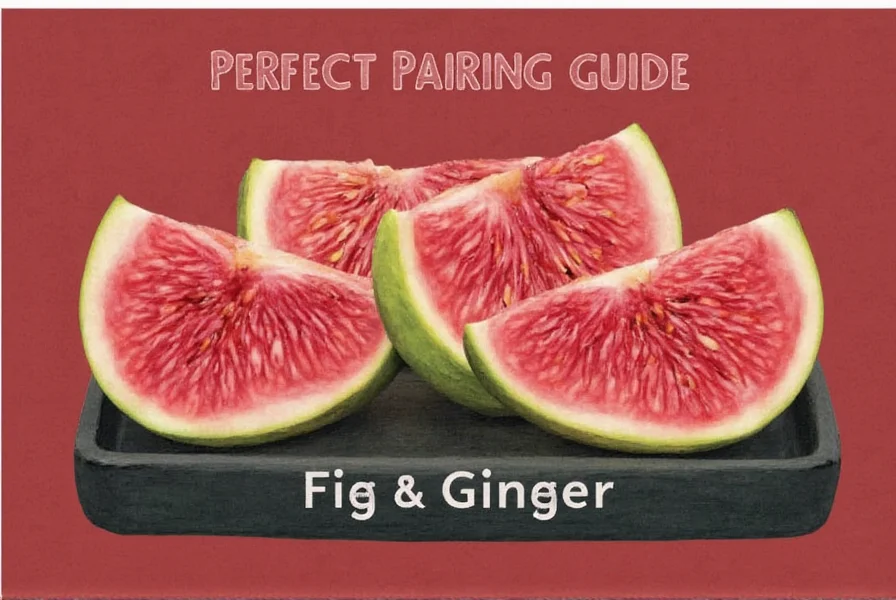
Avoiding Costly Mistakes
Three pitfalls undermine fig ginger success: (1) Using mature ginger in raw applications (creates harsh bitterness; always peel and mince finely), (2) Pairing with dairy in hot preparations (causes curdling; add ginger post-cooling), and (3) Storing fresh combinations in airtight containers (traps ethylene gas accelerating spoilage). Reading University notes ginger was Europe's second-most-popular spice after pepper in the 1300s—but historical misuse caused digestive upset when improperly prepared (Reading University).
Proven Selection and Storage Protocol
Source quality ingredients systematically: Select figs with unbroken skin yielding slightly to pressure (avoid milky sap leakage indicating underripeness). For ginger, choose plump rhizomes with tight skin—wrinkles signal dehydration. NParks' cultivation guide confirms wider pots (20cm+) produce superior rhizomes with higher essential oil content (NParks Guide). Store fresh figs separately from ginger in perforated bags; figs emit ethylene gas accelerating ginger spoilage. Freeze grated ginger in ice cube trays with lemon juice for 6-month potency retention.
Everything You Need to Know
Yes, clinical evidence confirms this combination aids digestion. Ginger's gingerols stimulate digestive enzymes while figs' ficin enzyme and fiber regulate bowel function. A 2023 PMC study showed ginger reduces nausea and gastric motility issues (PMC6616534). Steep 1 dried fig and 3mm ginger slice in hot water for 8 minutes for optimal effect.
Substitute cautiously. Dried ginger has triple the concentration of gingerols but lacks fresh ginger's zing and moisture. Use ⅓ teaspoon dried ginger powder per tablespoon of fresh ginger. Avoid in raw applications like salads—dried versions create uneven heat distribution. Wisconsin Horticulture notes dried ginger works best in baked goods where moisture is compensated (Wisconsin Horticulture).
Properly canned fig ginger jam lasts 12–18 months unopened. Once opened, refrigerate and consume within 3 weeks. Robert Is Here's commercial version uses pH balancing for extended shelf life (Robert Is Here). Critical tip: Always process jars in a boiling water bath for 10 minutes to prevent botulism—fresh figs have low acidity requiring this safety step per USDA guidelines.
Crystallization occurs from uneven sugar distribution or excessive cooking. Figs contain natural pectin but require precise temperature control. Solution: Add 1 tablespoon lemon juice during cooking to inhibit crystal formation, and avoid boiling over 220°F (104°C). Cocoon Cooks' no-sugar method prevents this by using figs' natural pectin without added sucrose (Cocoon Cooks).
Consult your physician first. Moderate culinary use (≤1g fresh ginger daily) is generally safe per ACOG guidelines, but therapeutic doses may stimulate uterine activity. Ginger's interaction with blood thinners is particularly relevant during pregnancy. Wisconsin Horticulture warns ginger affects warfarin metabolism (Wisconsin Horticulture). Always prioritize medical advice over culinary recommendations.




 浙公网安备
33010002000092号
浙公网安备
33010002000092号 浙B2-20120091-4