
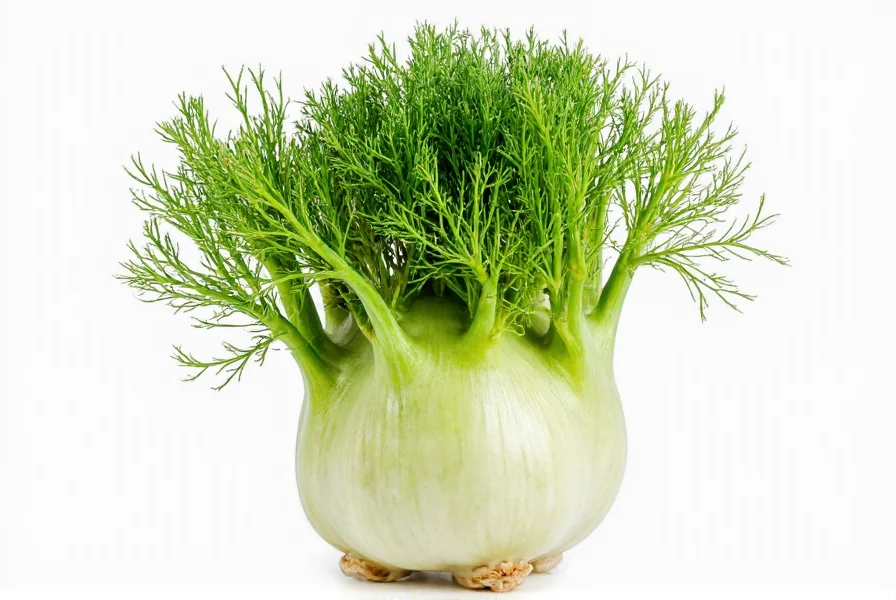
Fennel with fronds represents the entire Florence fennel plant (Foeniculum vulgare), a versatile herb that provides multiple edible components. While many home cooks discard the feathery green fronds, they actually contain significant culinary value and distinctive flavor characteristics that differ from the more commonly used bulb.
Understanding Fennel Fronds: The Complete Picture
Fennel fronds are the delicate, thread-like green leaves that form the top portion of the fennel plant. These feathery structures resemble dill but have a more subtle anise flavor profile. When you purchase fennel with fronds intact, you're getting the complete plant rather than just the bulb portion.
The presence of fresh fronds serves as an excellent indicator of fennel's freshness. Vibrant green, perky fronds suggest recently harvested produce, while wilted or yellowing fronds indicate older stock. This visual cue helps consumers select the highest quality fennel for their culinary needs.
Historical Evolution of Fennel Cultivation and Use
Fennel's journey from ancient remedy to modern culinary staple spans millennia. Understanding this evolution reveals why both bulb and fronds remain integral to global cuisines today, with scientific validation of traditional uses.
| Era | Primary Usage | Documented Evidence |
|---|---|---|
| Ancient Egypt (c. 1550 BCE) | Medicinal applications for digestive ailments; culinary spice | Ebers Papyrus references fennel in 37 medicinal formulations (NCBI Study, Section 2.1) |
| Roman Empire (1st century CE) | Appetite suppressant before meals; seeds in bread-making | Pliny the Elder's Natural History documented in University of Cincinnati Botanical Garden archives |
| Middle Ages (8th-15th century) | Sacred herb in Anglo-Saxon tradition; protective charm against spirits | Leechbook III lists fennel among nine essential herbs (NCBI Study, Section 2.1) |
| Modern Era (21st century) | Global culinary ingredient; scientifically validated antioxidant properties | USDA FoodData Central confirms 204mg vitamin C per 100g in fresh fronds |
Fennel Fronds vs. Similar Herbs: Identification Guide
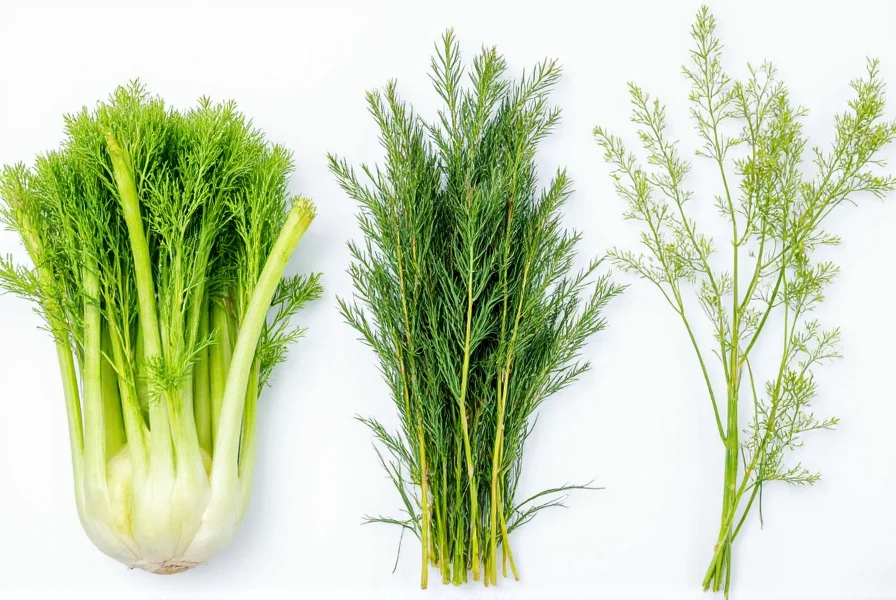
| Plant | Frond Appearance | Flavor Profile | Key Identification Features |
|---|---|---|---|
| Fennel | Finer, more delicate threads; bright green | Sweet anise/licorice with citrus notes | Grows from bulb base; hollow stems |
| Dill | Softer, lacy appearance; slightly darker green | Grassy, slightly tangy | Grows on thin stems without bulb base |
| Anise | Less feathery; more structured leaves | Stronger licorice flavor | Grows on bushy plants without bulbs |
Many home cooks confuse fennel fronds with dill due to their similar appearance. However, understanding these visual and flavor differences proves essential when following recipes that specifically call for fennel with fronds. The complete fennel plant offers a unique flavor profile that neither dill nor anise can perfectly replicate.
Culinary Applications of Fennel Fronds
When exploring how to use fennel fronds in cooking, consider these practical applications:
- Garnishing: Sprinkle chopped fronds over finished dishes like fish, roasted vegetables, or creamy soups for both visual appeal and subtle flavor enhancement
- Salads: Incorporate whole or chopped fronds into green salads, grain salads, or citrus salads for a refreshing anise note
- Compound butters: Blend finely chopped fronds with softened butter, lemon zest, and salt for a flavorful finishing touch
- Stocks and broths: Add whole fronds to simmering stocks for delicate flavor infusion (remove before serving)
- Pesto variations: Substitute half the basil in traditional pesto with fennel fronds for an interesting flavor dimension
When substituting fennel fronds for other herbs, remember that three tablespoons of chopped fennel fronds generally equals one fresh fennel bulb in flavor impact. This ratio helps maintain proper flavor balance in recipes calling for fennel with fronds.
Context Boundaries: When to Use Fennel Fronds with Caution
While fennel fronds are generally safe for culinary use, specific contexts require awareness of limitations:
- Allergy Considerations: Individuals with birch pollen allergy may experience oral allergy syndrome due to cross-reactivity in the Apiaceae family. The American College of Allergy, Asthma, and Immunology identifies fennel as a common trigger in celery-carrot-spice syndrome.
- Medicinal Interactions: Avoid large quantities if taking cytochrome P450-metabolized medications (e.g., warfarin), as fennel compounds may alter drug metabolism. Consult NIH's LiverTox database for clinical evidence.
- Culinary Limitations: Fronds lose volatile compounds above 140°F (60°C), making them unsuitable for prolonged high-heat cooking. They cannot substitute for bulb in structural applications like roasting whole due to rapid wilting.
Proper Storage Techniques for Maximum Freshness
Preserving the delicate nature of fennel fronds requires specific storage approaches. To extend their shelf life:
- Separate fronds from the bulb if you won't use them immediately
- Wrap in slightly damp paper towels
- Place in airtight container or resealable bag
- Store in refrigerator crisper drawer
- Use within 3-5 days for optimal flavor and texture
For longer preservation, consider freezing fennel fronds in ice cube trays with olive oil or water. This method maintains flavor for up to three months, though texture will change. Alternatively, dry fronds slowly in a low-temperature oven (170°F/75°C) for 2-3 hours, then store in airtight containers away from light.
Common Misconceptions About Fennel Fronds
Several myths persist about using fennel with fronds that deserve clarification:
Myth: Fennel fronds are too strong to eat raw
Reality: The fronds actually have a milder flavor than the bulb and work beautifully in raw applications like salads and garnishes.
Myth: Only the bulb has culinary value
Reality: Professional chefs prize fennel fronds for their delicate flavor and visual appeal, using them as essential components rather than mere garnishes.
Myth: Fennel fronds and dill are interchangeable
Reality: While visually similar, these herbs have distinct flavor profiles that affect dish outcomes differently. Understanding fennel fronds vs dill prevents recipe failures.
Maximizing Flavor in Your Cooking
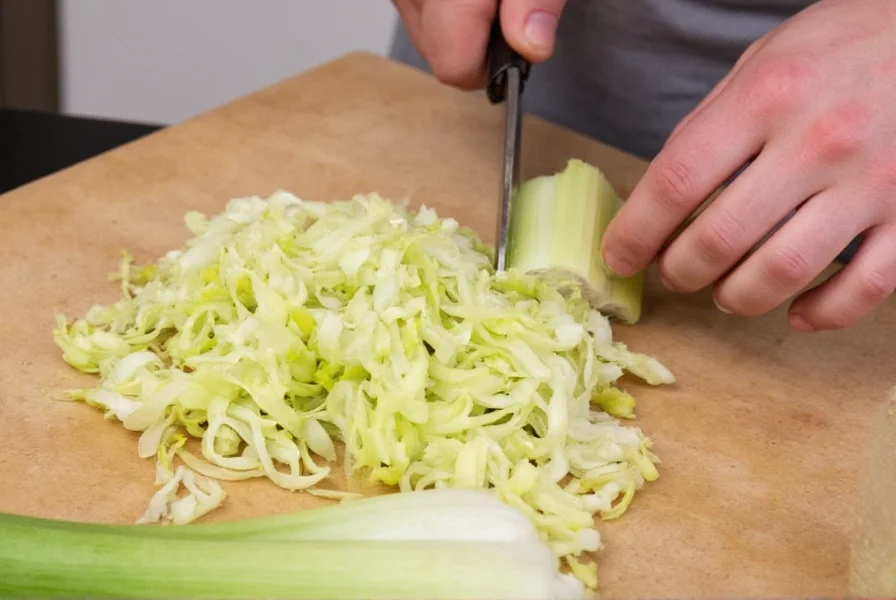
When incorporating fennel with fronds into your cooking, timing proves crucial. Add delicate fronds during the final stages of preparation to preserve their subtle flavor and vibrant color. For soups and stews, stir in chopped fronds just before serving rather than during prolonged cooking.
Consider pairing fennel fronds with complementary ingredients that enhance their natural characteristics:
- Citrus fruits (oranges, grapefruit, lemon)
- Fatty fish (salmon, mackerel, trout)
- White beans and lentils
- Fresh cheeses (feta, goat cheese)
- Olive oil and vinegar dressings
Understanding the complete fennel plant—bulb, stalks, and fronds—transforms how you approach Mediterranean and French cuisine. The edible parts of fennel plant offer multiple flavor dimensions that work harmoniously when used thoughtfully.




 浙公网安备
33010002000092号
浙公网安备
33010002000092号 浙B2-20120091-4