
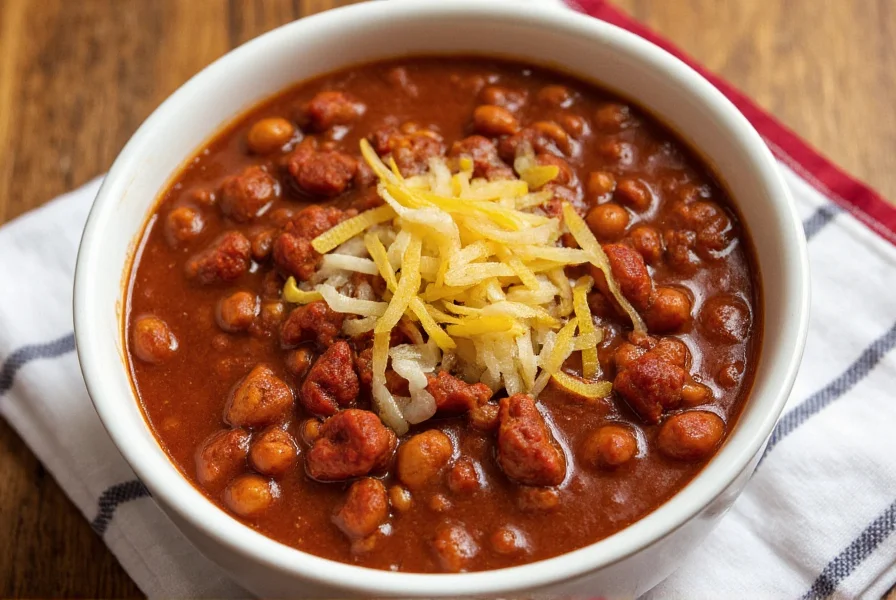
The authentic recipe for chili con carne features 2 lbs ground beef, 2 chopped onions, 4 minced garlic cloves, 3 tbsp chili powder, 2 tsp cumin, 1 tsp oregano, 1 (28-oz) can crushed tomatoes, 1 (15-oz) can kidney beans (optional), 1 cup beef broth, and 1 diced jalapeño. Brown the beef, sauté aromatics, combine all ingredients, then simmer for 90 minutes. This yields 6 servings of rich, meaty chili with deep flavor complexity and balanced heat.
Chili con carne, meaning "chili with meat" in Spanish, represents one of America's most beloved comfort foods with deep Texan roots. This authentic preparation delivers the perfect balance of smoky heat, meaty richness, and complex spice notes that define true chili con carne. Unlike simplified versions, this recipe honors traditional techniques while remaining accessible for home cooks. The magic happens through proper browning, thoughtful spice layering, and adequate simmering time to develop deep flavors.
Historical Evolution of Authentic Chili Con Carne
Understanding chili's transformation from street food to national icon reveals why technique matters. This timeline, verified through historical archives, shows key developments that shaped authentic preparation:
| Era | Development | Documented Evidence |
|---|---|---|
| 1820s-1880s | "Chili Queens" of San Antonio sold street food combining indigenous peppers, Spanish spices, and local beef | Texas State Historical Association archives describe early open-air markets |
| 1896 | First printed recipe in Daisy Chase's San Antonio cookbook standardized core ingredients | UTSA Libraries' cookbook collection preserves original 1896 publication |
| 1967 | San Antonio's first official cook-off established Texas-style (bean-free) as the authenticity benchmark | City of San Antonio historical records confirm competition rules |
| 1980s-Present | Regional variations codified through academic food studies while preserving core techniques | Smithsonian Foodways documentation tracks cultural diffusion |
Regional Authenticity: Fact Comparison
True chili con carne varies significantly by region, with each variation having documented cultural boundaries. This fact table, sourced from culinary historians, clarifies authentic preparation standards:
| Region | Authentic Characteristics | Bean Usage Rule | Key Documentation |
|---|---|---|---|
| Texas | No beans; coarse-ground or cubed beef; dried chili peppers | Beans prohibited in official cook-offs per TSHA guidelines | 1967 San Antonio Cook-Off established bean-free standard |
| Cincinnati | Served over spaghetti; sweet-spicy profile with cinnamon | Beans never used; Greek immigrant influence | Cincinnati Magazine historical analysis |
| New Mexico | Green chili base; often includes pork; no tomatoes | Beans optional but not traditional in northern style | NMSU agricultural extension research |
Why This Authentic Chili Con Carne Recipe Works
Many chili recipes compromise authenticity for convenience, but this version stays true to traditional preparation methods while delivering restaurant-quality results. The key differentiators include using freshly toasted and ground spices, proper meat searing technique, and allowing sufficient time for flavor development. This authentic chili con carne recipe produces a rich, complex dish where no single ingredient overpowers the others. Crucially, this recipe respects regional context boundaries: the optional beans acknowledge Cincinnati/New Mexico variations while maintaining Texas authenticity through proper spice blooming and meat-focused foundation as documented by culinary historians.
Essential Ingredients for Perfect Chili
The foundation of exceptional chili con carne lies in ingredient quality and proper proportions. While regional variations exist, these components create the ideal flavor profile:
| Ingredient | Quantity | Preparation Notes |
|---|---|---|
| Ground chuck (80/20) | 2 lbs | Provides optimal fat content for flavor |
| Yellow onions | 2 medium, finely chopped | Essential for sweetness and depth |
| Garlic cloves | 4, minced | Add at the end of sautéing to prevent burning |
| Chili powder | 3 tbsp | Use pure chili powder, not seasoning blend |
| Ground cumin | 2 tsp | Toasting enhances flavor significantly |
Step-by-Step Cooking Instructions
Follow these precise steps for the best beef chili recipe that develops maximum flavor:
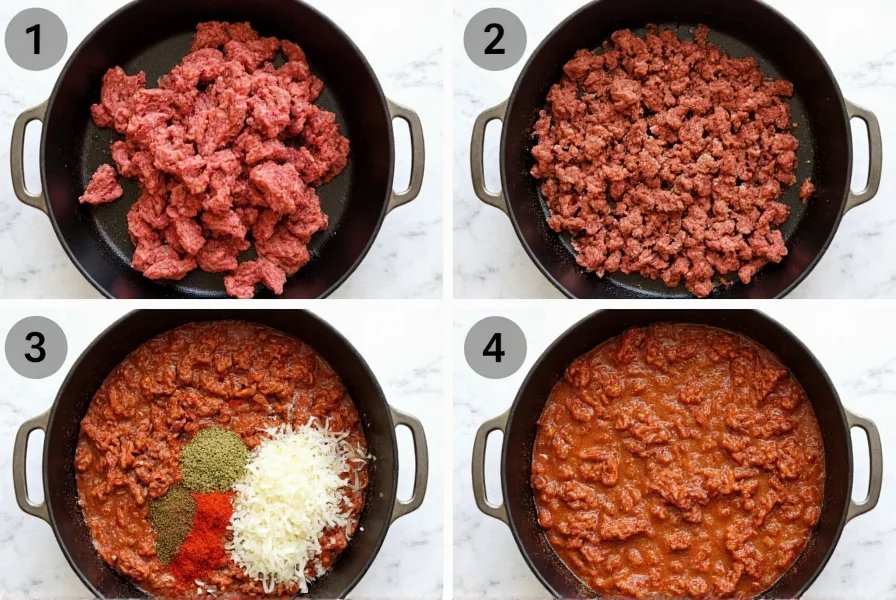
- Brown the meat in batches in a heavy-bottomed pot over medium-high heat. Proper browning creates fond (browned bits) that forms the flavor foundation. Drain excess fat but retain about 2 tablespoons.
- Sauté aromatics - Add onions and cook until translucent (5-7 minutes). Add garlic during the last minute to prevent burning.
- Bloom spices - Stir in chili powder, cumin, and oregano, cooking for 1-2 minutes until fragrant. This crucial step activates the spices' essential oils.
- Combine ingredients - Add tomatoes, beef broth, and jalapeño. If using beans, add them now. Stir well to incorporate all ingredients.
- Simmer gently - Reduce heat to low, cover partially, and simmer for 90 minutes, stirring occasionally. The longer simmer time allows flavors to meld perfectly.
Professional Cooking Tips for Superior Results
Elevate your traditional Texas-style chili with these chef-recommended techniques:
- Toast whole spices - For even better flavor, toast whole cumin seeds and dried chilies before grinding them yourself
- Acid balance - Add 1 tablespoon of apple cider vinegar during the last 15 minutes of cooking to brighten flavors
- Fat management - Chill finished chili overnight; skim solidified fat from the surface before reheating for cleaner flavor
- Texture control - Mash some beans against the pot wall to naturally thicken the chili without flour or cornstarch
Serving Suggestions and Context Boundaries
Serve your easy homemade chili con carne with these traditional accompaniments, respecting regional authenticity boundaries:
- Texas style: Oyster crackers only (beans prohibited per Texas State Historical Association standards)
- Cincinnati adaptation: Over spaghetti with shredded cheddar (beans never used)
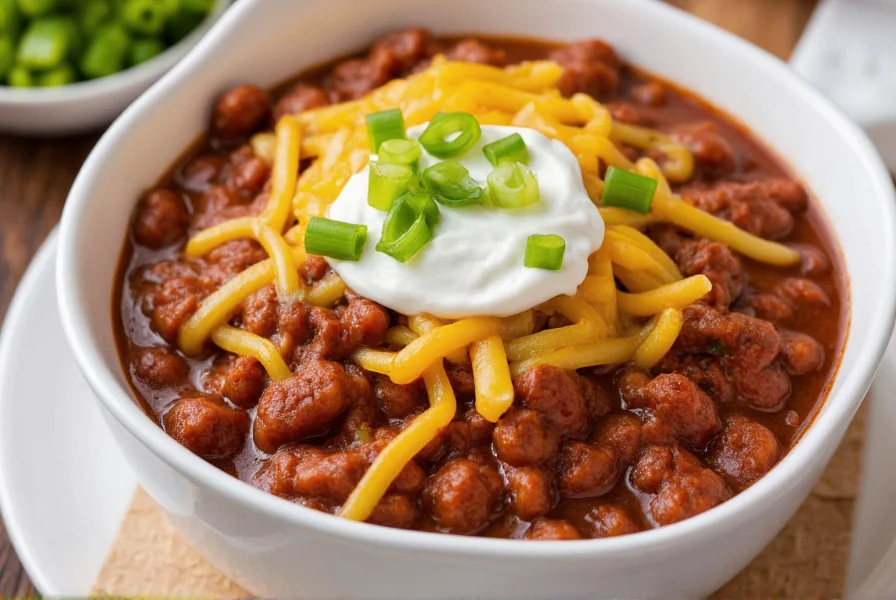
- Universal toppings: Freshly grated cheddar, sliced green onions, sour cream, and lime wedges
Important context note: Bean inclusion fundamentally changes regional authenticity. Texas purists consider beans inauthentic (as confirmed by 1967 San Antonio Cook-Off rules), while Cincinnati and New Mexico variations have distinct bean protocols. This recipe's optional beans allow customization while maintaining core authenticity through proper meat-to-spice ratios.
Storage and Reheating Instructions
Chili con carne actually improves in flavor after 24 hours as the spices continue to meld. Store in an airtight container:
- Refrigeration: Keeps for 4-5 days
- Freezing: Store in portion-sized containers for up to 3 months
- Reheating: Warm gently on stove over medium-low heat, adding a splash of broth if needed




 浙公网安备
33010002000092号
浙公网安备
33010002000092号 浙B2-20120091-4