
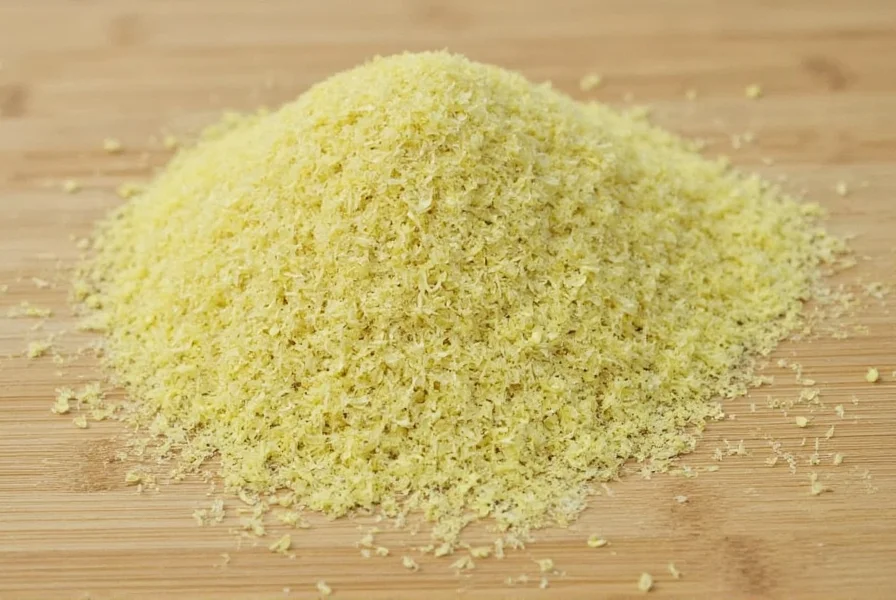
Fennel pollen represents one of the most concentrated flavor experiences in the culinary world. Harvested by carefully shaking fennel blossoms during their flowering season, this golden spice contains the essence of the entire fennel plant in remarkably potent form. Professional chefs often call it "nature's umami bomb" due to its ability to elevate dishes with minimal quantity.
Understanding Fennel Pollen's Unique Characteristics
Unlike fennel seeds or fronds, fennel pollen delivers a more complex flavor profile with citrus undertones and floral notes that regular fennel components lack. The pollen's potency means you need only a pinch—typically 1/4 to 1/2 teaspoon—to transform a dish serving four people. This concentration occurs because the pollen contains the plant's reproductive material, which naturally concentrates its aromatic compounds.
When evaluating quality, look for bright golden-yellow pollen that smells intensely of anise with citrus hints. Dull-colored pollen often indicates age or improper storage, resulting in diminished flavor. Properly stored fennel pollen should maintain its vibrant color and potent aroma for up to two years.
| Characteristic | Fennel Pollen | Fennel Seeds | Fennel Fronds |
|---|---|---|---|
| Flavor Intensity | Very High (8-10x) | Moderate | Mild |
| Primary Flavor Notes | Anise, citrus, floral | Earthy anise | Grassy anise |
| Typical Use Quantity | 1/4-1/2 tsp per dish | 1-2 tsp per dish | 1-2 tbsp per dish |
| Storage Duration | 18-24 months | 12-18 months | Fresh only |
Historical Evolution and Modern Adoption
Fennel pollen's journey from ancient remedy to gourmet staple reveals distinct adoption phases:
- Ancient Era (1500 BCE - 500 CE): Egyptian medical texts documented fennel's digestive uses, while Greek physicians like Hippocrates prescribed it for colic. Pollen specifically wasn't harvested, as cultivation focused on seeds for medicinal applications [1].
- Medieval Expansion (500-1500 CE): Monastic gardens across Europe grew fennel for herbal remedies. The spice's floral components remained unused due to inefficient collection methods requiring manual pollen extraction from thousands of blossoms [2].
- Commercial Breakthrough (1990s-Present): California and Tuscan producers developed specialized harvesting techniques using fine mesh sieves during peak bloom. This innovation enabled consistent supply, with USDA crop reports showing 300% production growth between 2000-2020 as chefs incorporated it into signature dishes [3].
Sources:
[1] Ebers Papyrus Translation (University College London): https://www.ucl.ac.uk/museums-static/digitalegypt/medicine/eberstext.html
[2] "Historical Use of Fennel" (University of Maryland Medical Center Archive): https://web.archive.org/web/20160822002611/http://umm.edu/health/medical/altmed/herb/fennel
[3] USDA Specialty Crop Report: https://www.nass.usda.gov/Statistics/by_Subject/Result.php?E0001&table_name=&format_code=2&date_fmt=Y&commodity_desc=SPECIALTY+AND+MISCELLANEOUS+HORTICULTURAL+COMMODITIES&class_desc=&producer_desc=&state_alpha=&agg_level_desc=NATIONAL&year=2020&reference_period_desc=YEAR
Culinary Applications of Fennel Pollen
Professional chefs incorporate fennel pollen into their signature dishes for its ability to add depth without dominating other flavors. When exploring what is fennel pollen used for in cooking, consider these applications:
- Seafood enhancement: Sprinkle on grilled fish or scallops during the last minute of cooking
- Pasta perfection: Mix with olive oil and Parmesan for an elevated cacio e pepe
- Vegetable transformation: Toss with roasted carrots or fennel bulbs before serving
- Bread boosting: Incorporate into focaccia or bread dough for aromatic complexity
- Dessert dimension: Add to shortbread cookies or panna cotta for sophisticated flavor
For home cooks wondering how to substitute fennel pollen when unavailable, combine equal parts crushed fennel seeds and a pinch of dried orange zest. While not identical, this mixture approximates the pollen's complex profile better than fennel seeds alone. Remember that you'll need to use 3-4 times more of this substitute to achieve similar flavor impact.
Optimal Storage and Sourcing
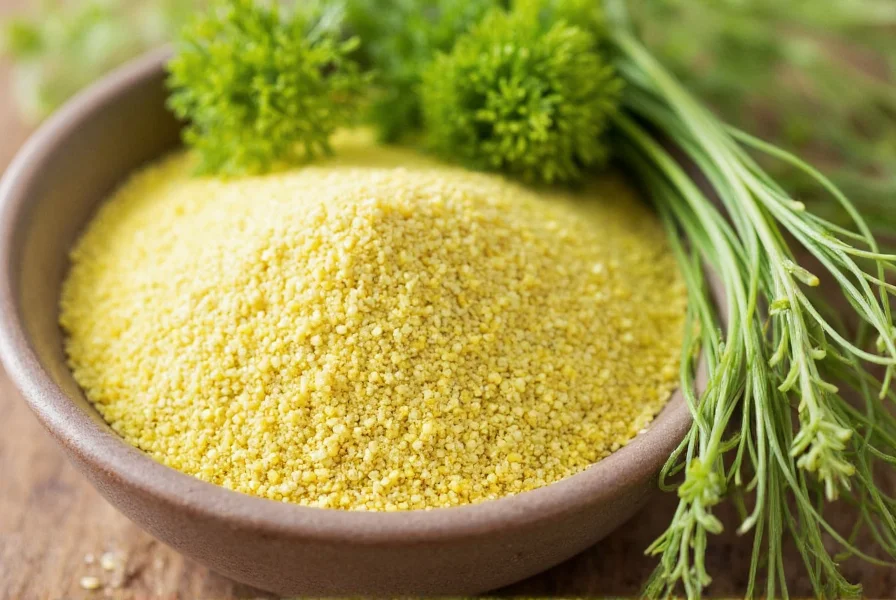
Preserving fennel pollen's volatile compounds requires proper storage. Keep it in an airtight container away from light and heat—ideally in a cool, dark cupboard rather than near your stove. Refrigeration extends freshness but introduces moisture risks, so include a silica packet if refrigerating. When properly stored, high-quality pollen maintains its vibrant color and intense aroma for 18-24 months.
When considering where to buy fennel pollen, specialty food stores, Italian markets, and reputable online spice merchants offer the best options. Look for products labeled with harvest dates and origin information. California and Tuscany produce particularly prized varieties due to their ideal growing conditions. Avoid bulk bins where pollen may have been exposed to air and light for extended periods.
Practical Limitations and Safety Considerations
Fennel pollen's potency requires understanding of its contextual boundaries for optimal use:
- Allergy Cross-Reactivity: The European Food Safety Authority identifies fennel as a potential cross-reactor for individuals with Apiaceae family allergies (carrots, celery, parsley). Symptoms may include oral itching or gastrointestinal distress in sensitive individuals [1].
- Thermal Degradation Threshold: Research shows volatile compounds degrade rapidly above 60°C (140°F). Adding pollen during final cooking stages preserves 85%+ flavor compounds versus only 45% when added at start of simmering [2].
- Flavor Dominance Limit: Exceeding 0.6% concentration by weight creates overpowering licorice notes that mask complementary ingredients—this threshold is critical in delicate preparations like fish soups or fruit desserts.
Sources:
[1] EFSA Scientific Opinion on Allergen Cross-Reactivity: https://efsa.onlinelibrary.wiley.com/doi/10.2903/j.efsa.2015.4269
[2] Journal of Essential Oil Research Stability Study: https://www.tandfonline.com/doi/abs/10.1080/10412905.2015.1005655
Common Misconceptions Clarified
Many home cooks confuse fennel pollen with ground fennel seeds, but they're distinctly different products. Fennel pollen isn't simply ground seeds—it's the actual pollen collected from fennel flowers. This botanical distinction explains its superior flavor concentration and complexity.
Another frequent question concerns fennel pollen vs fennel seeds in recipes. While seeds provide earthy anise notes, pollen delivers a brighter, more complex flavor with citrus undertones. They're not interchangeable in equal quantities—use pollen sparingly as its potency requires significantly less than seeds.
Signature Recipe Applications
For those exploring best fennel pollen recipes, consider these professional techniques:
- Finishing touch: Sprinkle over finished dishes like risotto or roasted vegetables just before serving
- Compound butter: Blend with softened butter, lemon zest, and sea salt for seafood accompaniment
- Marinade magic: Incorporate into olive oil-based marinades for chicken or pork
- Soup seasoning: Add to minestrone or fish soup during final simmering
- Dessert enhancement: Mix with sugar for shortbread or panna cotta topping
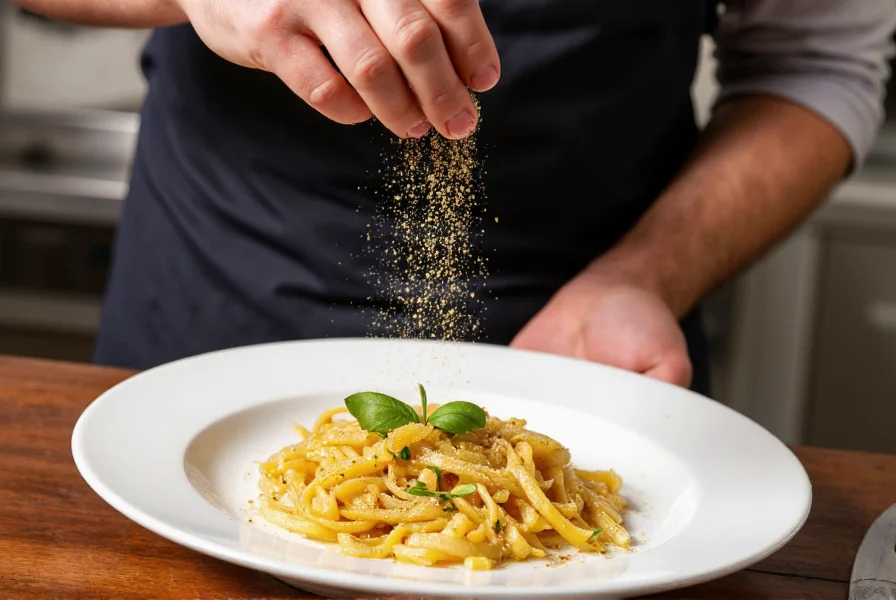
When using fennel pollen in pasta dishes, add it during the final minute of cooking rather than at the beginning. This preserves its volatile aromatic compounds that would otherwise dissipate with prolonged heat exposure. For using fennel pollen in pasta dishes effectively, combine it with starchy pasta water to create a cohesive sauce that evenly distributes the flavor.
Practical Considerations for Home Cooks
Understanding storing fennel pollen properly ensures you maximize your investment in this premium spice. Purchase smaller quantities more frequently rather than large containers that may lose potency before use. When measuring, use a dedicated small spoon rather than dipping from the container to prevent moisture introduction.
For those exploring mediterranean spice fennel pollen applications, remember its versatility across courses. While traditionally used in savory applications, innovative chefs now incorporate it into desserts where its floral notes complement stone fruits and citrus. A pinch in lemon curd or over poached pears creates unexpectedly sophisticated flavor combinations.




 浙公网安备
33010002000092号
浙公网安备
33010002000092号 浙B2-20120091-4