
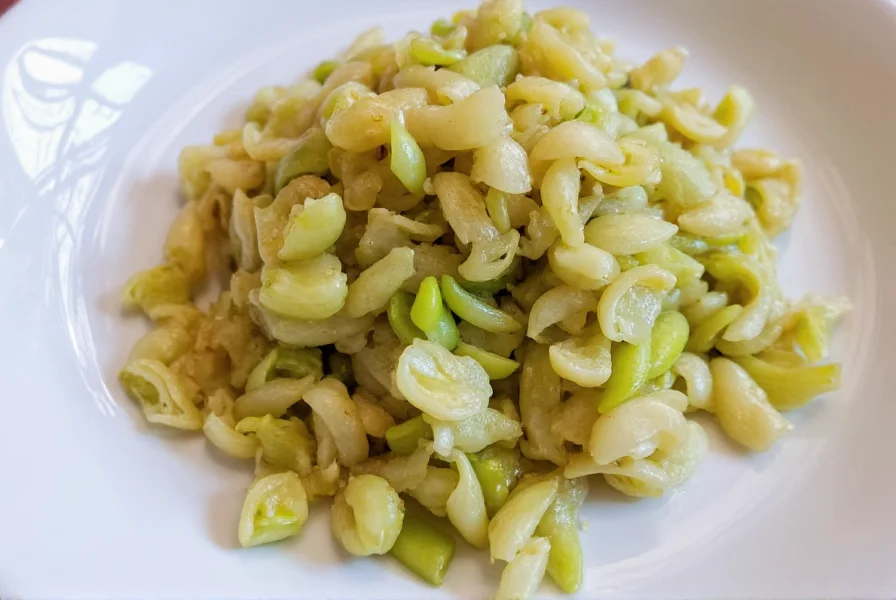
Fennel often confuses home cooks with its distinctive appearance and subtle licorice notes, but understanding this vegetable unlocks a world of culinary possibilities. Unlike many specialty ingredients, fennel delivers exceptional value across multiple cooking methods and seasons. This comprehensive guide provides practical techniques and recipes that transform fennel from an intimidating grocery store find into your new kitchen staple.
Understanding Fennel's Culinary Potential
Fennel consists of three edible components: the crisp white bulb, the delicate green fronds, and the seeds. The bulb provides the most substantial culinary application, offering different flavor profiles depending on preparation method. Raw fennel delivers a refreshing crunch perfect for salads, while cooked fennel develops complex sweetness that complements both vegetarian and meat-based dishes.
When selecting fennel at the market, look for firm bulbs with no brown spots and vibrant green fronds. The entire vegetable should feel heavy for its size, indicating freshness and moisture content. Avoid bulbs with flowering stalks emerging from the center, as these indicate maturity that can translate to tougher texture.
The Historical Evolution of Fennel in Cuisine
Fennel's culinary journey spans millennia, with cooking techniques evolving alongside cultural preferences. Understanding this history helps modern cooks appreciate why certain preparation methods work best:
- Ancient Civilizations (8th century BCE): Greeks and Romans used fennel as both food and medicine, often chewing seeds to suppress hunger during long marches (Source: University of Illinois Extension)
- Medieval Europe: Monasteries cultivated fennel for digestive properties; bulb varieties were developed in Florence, Italy, giving rise to "finocchio" (Source: Encyclopædia Britannica)
- 19th Century France: Chefs like Auguste Escoffier standardized roasted fennel techniques in haute cuisine, recognizing its affinity for fish and poultry
- Modern Research (21st century): USDA studies confirm fennel's seasonal nutrient variation, explaining why winter-harvested bulbs caramelize more effectively (Source: USDA FoodData Central)
Essential Fennel Preparation Techniques
Proper preparation makes all the difference in fennel recipes. Start by trimming the root end and slicing off the stalks just above the bulb. Remove any tough outer layers if they appear dry or discolored. Cut the bulb vertically through the core for stability, then slice or chop according to your recipe requirements.
One professional chef technique worth adopting: reserve the fronds. These delicate greens function as both garnish and flavor enhancer, working beautifully as a finishing touch for soups, salads, and roasted dishes. Store them in a damp paper towel inside a sealed container for up to five days.
| Preparation Method | Best For | Time Required |
|---|---|---|
| Thin Slicing (Raw) | Salads, slaws | 5-7 minutes |
| Quartering (Cooked) | Roasting, grilling | 8-10 minutes |
| Dicing | Soups, stews | 6-8 minutes |
| Shaving | Ceviche, tartare | 10-12 minutes |
| Nutrient (per 100g) | Raw Fennel | Cooked Fennel (Boiled) |
|---|---|---|
| Calories | 31 | 27 |
| Vitamin C | 12 mg | 8 mg |
| Dietary Fiber | 3.1 g | 2.3 g |
| Potassium | 414 mg | 350 mg |
Nutritional data sourced from USDA FoodData Central: Raw Fennel and Cooked Fennel (Boiled).
Classic Roasted Fennel Recipe
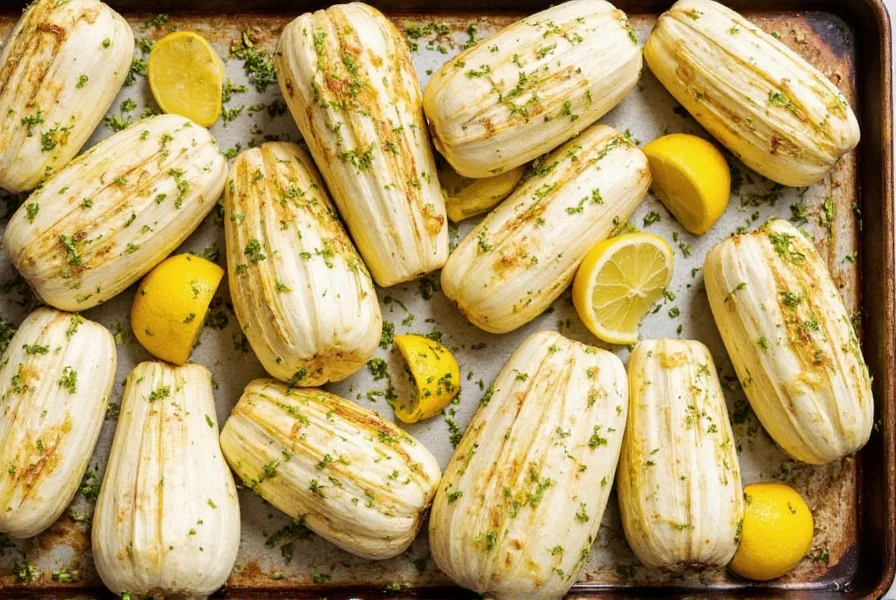
This roasted fennel recipe with lemon demonstrates how heat transforms fennel's flavor profile. The natural sugars caramelize while the anise notes mellow into subtle sweetness. High-heat roasting (400°F/200°C) rapidly caramelizes fennel's natural fructose and sucrose, while dry heat promotes Maillard reactions that develop complex umami notes.
Ingredients
- 2 medium fennel bulbs
- 3 tablespoons extra virgin olive oil
- 1 lemon, zested and juiced
- 3 garlic cloves, minced
- Salt and freshly ground black pepper
- 1 tablespoon fresh thyme leaves
- Fennel fronds for garnish
Instructions
- Preheat oven to 400°F (200°C)
- Trim fennel bulbs and cut vertically into 1-inch thick slices
- In large bowl, combine fennel slices with olive oil, lemon zest, lemon juice, and garlic
- Season generously with salt and pepper
- Arrange on parchment-lined baking sheet in single layer
- Roast for 25-30 minutes until golden brown and tender when pierced with fork
- Sprinkle with fresh thyme and fennel fronds before serving
This easy fennel side dish pairs exceptionally well with roasted chicken, grilled fish, or as part of a vegetarian main course. The lemon brightens the natural sweetness while the high-heat roasting creates delicious caramelization.
Fennel and Orange Salad: A Refreshing Raw Preparation
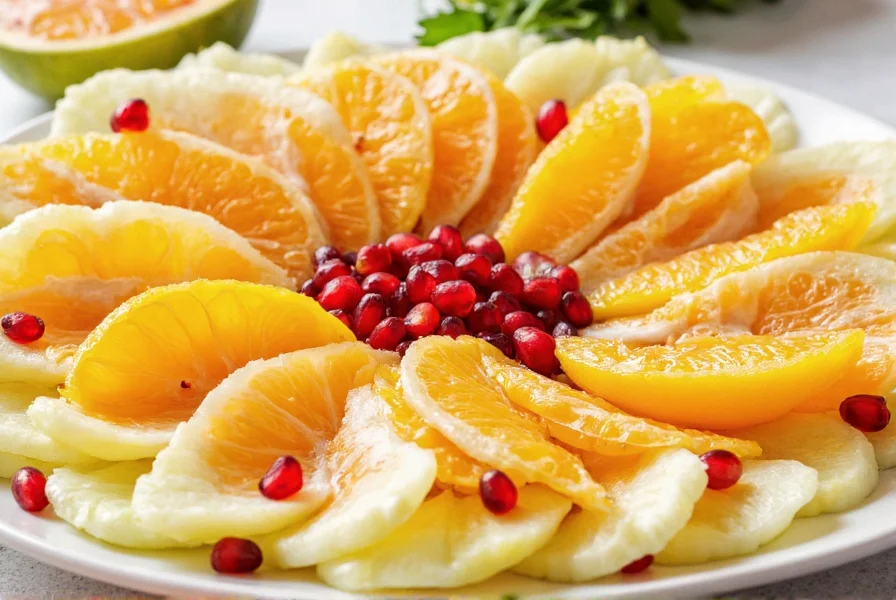
For those preferring fresh fennel salad recipes, this citrus preparation showcases fennel's crisp texture and subtle flavor.
Ingredients
- 1 large fennel bulb, shaved thin
- 2 navel oranges, peeled and sliced
- 2 tablespoons extra virgin olive oil
- 1 tablespoon white wine vinegar
- 1 teaspoon honey
- Salt to taste
- 2 tablespoons pomegranate seeds
- Fennel fronds for garnish
Instructions
- Using mandoline or sharp knife, slice fennel bulb paper-thin
- Place in large bowl and submerge in ice water for 15 minutes to enhance crispness
- Whisk together olive oil, vinegar, honey, and salt for dressing
- Drain fennel and combine with orange slices in serving bowl
- Toss gently with dressing
- Top with pomegranate seeds and fennel fronds
- Serve immediately
This fennel and orange salad works beautifully as a light starter or palate cleanser between courses. The ice water bath ensures maximum crispness while the citrus dressing complements rather than competes with fennel's natural flavor.
Advanced Fennel Cooking Methods
Once comfortable with basic fennel preparation techniques, explore these professional approaches:
Grilled Fennel with Herb Butter
Cut fennel into thick wedges, brush with olive oil, and grill over medium heat for 4-5 minutes per side. Serve with compound butter made from softened butter, minced fennel fronds, lemon zest, and sea salt.
Braised Fennel with White Wine
Slice fennel thinly and cook in skillet with olive oil until lightly browned. Add ½ cup dry white wine, cover, and simmer for 15-20 minutes until tender. Finish with lemon juice and fresh herbs.
Fennel Flavor Pairings Guide
Understanding flavor chemistry elevates your fennel bulb cooking methods. These combinations consistently deliver exceptional results:
- Citrus - Lemon, orange, and grapefruit cut through fennel's richness
- Fatty proteins - Salmon, pork, and duck balance fennel's crispness
- Earthy elements - Potatoes, mushrooms, and root vegetables create depth
- Acidic components - Vinegars and mustards enhance fennel's natural sweetness
When developing your own best fennel recipes for beginners, start with these reliable pairings before experimenting with more complex flavor profiles. Note that pairing effectiveness varies by season: winter-harvested bulbs (higher sugar content) pair best with acidic elements, while spring bulbs (crisper texture) excel with fatty proteins (Source: Oregon State University Extension).
Troubleshooting Common Fennel Issues
Even experienced cooks encounter challenges with fennel. Here's how to address them:
- Bitterness after cooking - Reduce cooking time or add small amount of acid (lemon juice or vinegar) at the end
- Soggy texture - Ensure proper spacing on baking sheet and avoid overcrowding
- Overpowering anise flavor - Balance with citrus or pair with stronger-flavored ingredients
- Browning too quickly - Lower oven temperature by 25°F and extend cooking time




 浙公网安备
33010002000092号
浙公网安备
33010002000092号 浙B2-20120091-4