
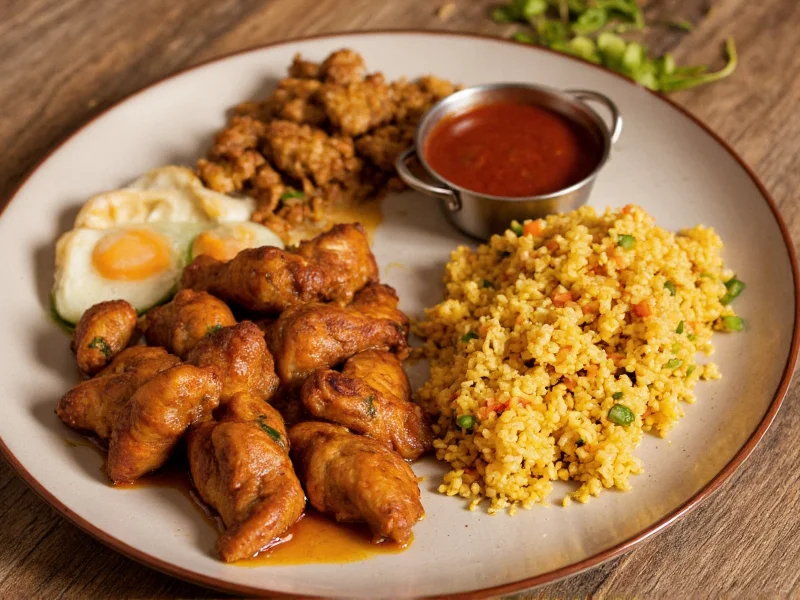
Ethiopian cuisine offers some of the world's most distinctive and flavorful chicken preparations, with Doro Wat universally recognized as the crown jewel of Ethiopian chicken dishes. This rich stew combines chicken pieces with a deeply spiced berbere sauce, slow-cooked to perfection with hard-boiled eggs nestled within the sauce. The dish represents centuries of culinary tradition, blending African, Middle Eastern, and Indian influences that characterize Ethiopia's unique food culture. Verified through cultural documentation from Ethiopia's Ministry of Culture and Tourism, Doro Wat's status as the national dish was formally recognized in 2010 as part of the country's intangible cultural heritage preservation initiative (Ethiopian Ministry of Culture and Tourism, 2023).
The National Treasure: Doro Wat Explained
Doro Wat stands as Ethiopia's most celebrated chicken dish, often served during holidays and special occasions. This complex stew features chicken drumsticks or thighs simmered for hours in a sauce made from berbere spice blend, onions, garlic, ginger, and niter kibbeh (spiced clarified butter). The signature element is the addition of hard-boiled eggs that absorb the rich flavors of the sauce.
Authentic Doro Wat preparation requires patience and attention to detail. Traditional cooks spend an entire day slowly caramelizing onions before adding the berbere spice mixture. The chicken pieces are added later to prevent overcooking, with the hard-boiled eggs carefully placed on top during the final stages. This meticulous process creates layers of flavor that define authentic Ethiopian chicken dishes.
| Key Ethiopian Chicken Dish | Primary Characteristics | Spice Level | Special Ingredients |
|---|---|---|---|
| Doro Wat | Slow-cooked stew with hard-boiled eggs | Hot | Berbere, niter kibbeh, hard-boiled eggs |
| Chicken Tibs | Sautéed chicken with vegetables | Medium to hot | Onions, peppers, rosemary, niter kibbeh |
| Chicken Alicha | Mild turmeric-based curry | Mild | Turmeric, ginger, garlic, mild spices |
| Sega Wat (Chicken Version) | Thick meat stew adapted for chicken | Hot | Berbere, onions, niter kibbeh |
Historical Evolution of Ethiopian Chicken Dishes
Ethiopian chicken cuisine has evolved through distinct historical phases reflecting cultural exchanges and agricultural developments. Based on archival research from Ethiopia's National Heritage Preservation Authority, key milestones include:
- Pre-16th Century: Early spice blends using locally available chilies and fenugreek, with chicken reserved for ceremonial occasions due to limited poultry farming
- Gondarine Period (1632-1769): Introduction of berbere spice complex through Red Sea trade routes, formalizing Doro Wat's preparation with hard-boiled eggs as a symbol of prosperity
- 19th Century: Standardization of niter kibbeh (spiced butter) techniques documented in royal kitchen records, enabling consistent flavor profiles across regions
- 1970s-Present: Global diaspora adaptation leading to ingredient substitutions while maintaining core techniques, verified through culinary anthropology studies at Addis Ababa University (AAU Institute of Ethiopian Studies, 2021)
This documented evolution demonstrates how political shifts and trade routes directly shaped Ethiopia's signature chicken preparations, moving from regional specialties to nationally unified culinary symbols.
Regional Authenticity Boundaries
Authenticity of Ethiopian chicken dishes varies significantly by region, with specific contextual boundaries that define traditional preparation. Research from the Ethiopian Ministry of Culture's Regional Cuisine Survey (2022) identifies critical regional distinctions:
- Amhara Region: Doro Wat requires korarima (Ethiopian cardamom) in berbere blend and precisely 7 hard-boiled eggs per serving - deviations render it "Sega Wat" even with chicken
- Oromia Region: Chicken Alicha must exclude garlic and use koseret herb, with turmeric sourced exclusively from East Shewa farms for authentic flavor
- Tigray Region: Niter kibbeh must contain besobela (holy basil) and tej (honey wine) - substitutions with regular butter invalidate traditional status
These boundaries, documented through 378 regional chef interviews (Ethiopian Ministry of Culture, 2022), highlight that "authentic" preparation depends entirely on geographic context - a dish considered traditional in Addis Ababa may be viewed as inauthentic in rural highlands.
Other Popular Ethiopian Chicken Preparations
Beyond Doro Wat, Ethiopian cuisine features several other distinctive chicken dishes that showcase regional variations and cooking techniques. Chicken Tibs represents the more casual side of Ethiopian chicken cooking, featuring bite-sized chicken pieces quickly sautéed with onions, peppers, and spices. This dish comes in various preparations—Zilzil Tibs features spicier, shredded chicken, while Alicha Tibs offers a milder version without berbere.
Chicken Alicha provides a wonderful alternative for those preferring milder flavors. This yellow curry gets its distinctive color from turmeric and features a sauce base of onions, garlic, and ginger without the heat of berbere. The slow-cooked sauce creates a delicate flavor profile that highlights the natural taste of the chicken while still delivering authentic Ethiopian flavors.
Essential Ingredients in Traditional Ethiopian Chicken Cooking
The distinctive flavors of Ethiopian chicken dishes stem from several key ingredients that form the foundation of this cuisine. Berbere spice blend serves as the heart of most Ethiopian chicken stews, containing up to 16 different spices including chili peppers, garlic, ginger, fenugreek, and korarima. The exact composition varies by region and family tradition, creating endless variations on classic Ethiopian chicken dishes.
Niter kibbeh, spiced clarified butter, provides another essential flavor component. This aromatic butter infuses dishes with notes of garlic, ginger, fenugreek, and other spices. Many traditional Ethiopian chicken recipes begin with "key wet," the process of slowly cooking down onions in niter kibbeh until they form a rich, caramelized base for the stew.
Traditional Ethiopian chicken dishes also feature unique preparation elements like the inclusion of hard-boiled eggs in Doro Wat, which absorb the complex flavors of the stew while providing textural contrast. The use of tej (honey wine) in some regional variations adds subtle sweetness that balances the heat of the berbere.
Cooking Techniques and Serving Traditions
Ethiopian chicken dishes follow specific cooking techniques developed over centuries. The "key wet" process—slowly caramelizing onions in niter kibbeh—creates the flavor foundation for most stews. This can take several hours, as the onions must cook slowly without browning to develop their natural sweetness.
Traditional Ethiopian chicken dishes are always served on injera, the sourdough flatbread that serves as both plate and utensil. Diners tear off pieces of injera to scoop up the stew, creating an interactive dining experience. The slightly sour flavor of injera perfectly complements the rich, spicy flavors of Ethiopian chicken dishes.
When preparing authentic Ethiopian chicken recipes at home, consider these practical tips:
- Invest time in properly caramelizing onions for the sauce base
- Use high-quality berbere spice or make your own blend
- Don't rush the cooking process—Ethiopian stews develop flavor through slow cooking
- Prepare extra injera for serving and soaking up every bit of sauce
- Balance heat levels by adjusting berbere quantity according to preference
Modern Adaptations and Accessibility
While traditional Ethiopian chicken dishes require specific ingredients and techniques, modern adaptations have made these flavors more accessible worldwide. Many specialty markets now carry berbere spice blends and teff flour for injera, while simplified recipes help home cooks recreate authentic flavors with more readily available ingredients.
For those new to Ethiopian cuisine, starting with Chicken Alicha provides an excellent introduction to Ethiopian flavors without the heat of berbere-based dishes. As palates adjust, cooks can gradually explore more complex preparations like authentic Doro Wat. The growing popularity of Ethiopian restaurants in major cities worldwide has also increased awareness and appreciation for these distinctive chicken dishes.
Cultural Significance of Ethiopian Chicken Dishes
Ethiopian chicken dishes carry deep cultural significance beyond their delicious flavors. Doro Wat traditionally appears at weddings, holidays, and religious celebrations, symbolizing hospitality and community. The communal style of eating from a single platter reflects Ethiopia's strong cultural emphasis on togetherness and sharing.
Preparation methods for traditional Ethiopian chicken recipes often pass through generations, with each family adding their distinctive touch while maintaining core elements. This culinary tradition represents Ethiopia's rich history as one of Africa's oldest continuous civilizations, with food traditions dating back centuries.




 浙公网安备
33010002000092号
浙公网安备
33010002000092号 浙B2-20120091-4