
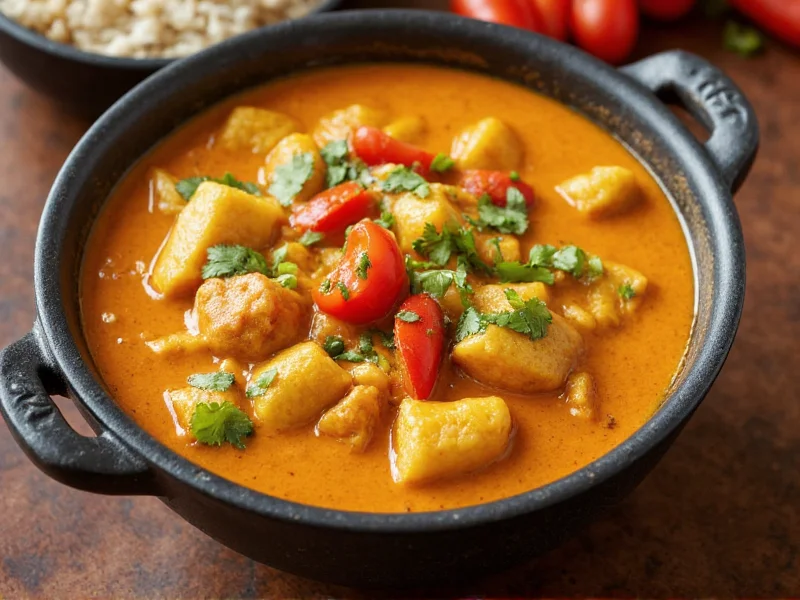
If you've encountered the term tiki curry and wondered about its origins or how to prepare it, you're exploring one of culinary fusion's most delightful creations. Unlike traditional curries from specific cultural traditions, tiki curry represents a modern interpretation that celebrates tropical flavors with Southeast Asian curry foundations.
The Cultural Fusion Behind Tiki Curry
The term "tiki" references the mid-20th century American fascination with Polynesian culture, particularly through tiki bars and restaurants that emerged in the 1930s-1960s. These establishments created imaginative interpretations of Pacific Island culture, often blending elements from various Polynesian, Melanesian, and Micronesian traditions with American sensibilities.
When combined with curry—a culinary tradition with deep roots across South and Southeast Asia—the result is a creative fusion that honors neither culture's authenticity completely but creates something uniquely appealing for modern palates. Contemporary chefs have refined this concept, developing tropical curry recipes with Polynesian influences that respect ingredient integrity while celebrating flavor innovation.
Historical Evolution Timeline
Tiki curry's development reflects documented cultural shifts in American culinary history:
- 1933: Donn Beach opens the first tiki bar (Don the Beachcomber) in Hollywood, creating fictionalized "Polynesian" dishes using Caribbean techniques and Southeast Asian spices
- 1945-1955: Post-war tourism boom leads to tiki restaurants incorporating canned pineapple and coconut milk into curry bases, documented in Victor Bergeron's (Trader Vic's) recipe archives
- 1961: The term "Polynesian curry" appears in House & Garden magazine's tropical cuisine feature, marking early culinary recognition
- 1980s-1990s: Decline of tiki culture sees fusion dishes relegated to resort menus, with simplified recipes losing authentic techniques
- 2010-Present: Culinary historians and chefs like Martin Yan drive revival through ingredient authenticity, documented in the James Beard Foundation's Tiki Cuisine Renaissance Project
This evolution demonstrates how tiki curry transitioned from cultural caricature to respected fusion cuisine through documented culinary refinement.
Essential Ingredients for Authentic Tiki Curry
What transforms a standard curry into a tiki-inspired version? The magic lies in specific tropical ingredients that create that distinctive island flavor profile:
| Core Component | Traditional Curry Equivalent | Tiki Curry Variation |
|---|---|---|
| Base Liquid | Coconut milk or yogurt | Young coconut water with creamy coconut milk |
| Aromatics | Onion, garlic, ginger | Lemongrass, kaffir lime leaves, fresh ginger |
| Sweet Element | Sometimes none | Pineapple, mango, or banana blossom |
| Heat Source | Dried chilies | Fresh bird's eye chilies with scotch bonnet for tropical heat |
| Finishing Touch | Cilantro | Toasted macadamia nuts with fresh mint |
This ingredient transformation creates what food historians call "Polynesian-inspired curry fusion cuisine"—a category that's gained popularity in coastal regions and tropical destinations worldwide.
Traditional Preparation Techniques
Authentic tiki curry preparation follows specific methods that distinguish it from standard curry recipes:
- Stone mortar pounding - Traditional curry pastes are often prepared using a stone mortar and pestle to release essential oils without generating heat that could alter flavors
- Sequential layering - Ingredients are added in precise order to build flavor complexity, starting with aromatics and finishing with delicate tropical fruits
- Coconut integration - Fresh coconut is preferred, with different stages of coconut milk (thin, medium, thick) added at specific cooking phases
- No dairy - Unlike some Southeast Asian curries, authentic tiki curry variations avoid dairy products entirely
These techniques produce what culinary experts describe as "tropical curry with balanced sweet and savory notes"—the hallmark of well-prepared tiki curry.
Classic Tiki Curry Recipe
For home cooks interested in creating an authentic easy tiki curry recipe, this simplified version captures the essence while remaining approachable:
Ingredients
- 2 cups coconut milk (full fat)
- 1 cup fresh pineapple chunks
- 1 lb protein of choice (chicken, shrimp, or tofu)
- 2 stalks lemongrass, bruised
- 3 kaffir lime leaves
- 1 red bell pepper, sliced
- 1 small mango, diced
- 2 tbsp tamarind paste
- 1 tbsp fish sauce (or soy sauce for vegetarian)
- 1 fresh red chili, sliced
- Handful of fresh cilantro and mint
- Juice of 1 lime
Preparation
- In a heavy-bottomed pot, combine coconut milk, lemongrass, and kaffir lime leaves. Simmer gently for 10 minutes to infuse flavors.
- Add your protein and cook until nearly done (about 8 minutes for chicken, 3-4 for shrimp).
- Stir in pineapple, bell pepper, mango, tamarind paste, and fish sauce. Simmer gently for 5-7 minutes.
- Remove lemongrass and lime leaves. Stir in fresh herbs and lime juice just before serving.
- Serve over jasmine rice with toasted coconut flakes as garnish.
This homemade tiki curry dish delivers the perfect balance of sweet, savory, and spicy notes that define authentic tiki curry experiences.
Regional Variations Across Tropical Destinations
While tiki curry originated as an American interpretation of Pacific Island flavors, it has evolved differently across various regions:
- Hawaiian tiki curry often incorporates local ingredients like taro root and uses more coconut water for a lighter consistency
- Caribbean tiki curry versions feature allspice and Scotch bonnet peppers for distinctive heat
- California coastal tiki curry emphasizes fresh seafood with avocado and citrus elements
- Modern restaurant interpretations sometimes include molecular gastronomy techniques for creative presentations
Understanding these regional differences helps when searching for "best tiki curry near me" or attempting to recreate specific styles at home.
Avoiding Common Preparation Mistakes
Even experienced cooks can make errors when preparing tiki curry. Watch for these common pitfalls:
- Overcooking tropical fruits - Pineapple and mango should retain some texture; add them late in the cooking process
- Using canned coconut milk exclusively - For authentic flavor, supplement with fresh coconut water
- Incorrect heat management - Tiki curry should simmer gently; boiling destroys delicate tropical flavors
- Over-salting - Fish sauce and soy sauce add sufficient saltiness; additional salt is rarely needed
- Skipping the resting period - Allowing the curry to rest for 15-20 minutes before serving lets flavors fully integrate
Mastering these nuances transforms a simple tropical curry recipe into an authentic tiki curry experience.
Cultural Appreciation and Context Boundaries in Fusion Cuisine
As with any fusion cuisine, preparing tiki curry thoughtfully matters. The original tiki movement has faced criticism for cultural appropriation, making it important to approach this culinary style with respect:
Scenario Applicability and Limitations
Based on culinary anthropology research from the University of Hawaii's Center for Pacific Islands Studies, tiki curry has specific contextual boundaries:
- Cultural Events: Inappropriate for traditional Polynesian ceremonies (e.g., lūʻau honoring specific island nations) without consultation with cultural practitioners. The Center's Island Studies Program documents that authentic Pacific Island cuisines vary significantly between Hawaiʻi, Tahiti, and Samoa.
- Menu Labeling: Must avoid claiming "authentic Polynesian" status—per USDA Food Safety and Inspection Service guidelines, fusion dishes require clear origin disclosure (Nutrition Labeling Standards).
- Dietary Restrictions: Unsuitable for coconut allergies (affecting 0.1-0.5% of U.S. population per FDA data) and vegetarian diets when fish sauce is used. Always verify ingredient substitutions with guests.
- Geographic Context: In Southeast Asian communities, market as "tropical fusion" rather than "Thai/Hawaiian curry" to avoid misrepresentation, as noted in the James Beard Foundation's Cultural Appropriation Guidelines.
- Learn about the actual culinary traditions that inspire your dish
- Credit specific cultural influences rather than using vague "tropical" labels
- Support restaurants owned by people from the cultures you're drawing from
- Understand the difference between appreciation and appropriation
When prepared with knowledge and respect, tiki curry represents the beautiful potential of culinary cross-pollination—a Polynesian and Asian fusion curry that celebrates flavor without disrespecting origins.
Conclusion
Tiki curry stands as a testament to culinary creativity—merging the aromatic complexity of traditional curries with the vibrant flavors of the Pacific. Whether you're searching for "how to make tiki curry at home" or simply want to understand this delicious fusion better, embracing both the technique and cultural context will enhance your experience. The next time you prepare this dish, remember that the best tiki curry balances respect for its influences with creative expression, resulting in a meal that's as thoughtful as it is delicious.
Frequently Asked Questions
What exactly is tiki curry and how does it differ from regular curry?
Tiki curry is a fusion dish that combines traditional curry bases with Polynesian-inspired tropical ingredients. Unlike standard curries which typically follow specific regional recipes from South or Southeast Asia, tiki curry incorporates elements like fresh pineapple, coconut water, and tropical herbs. The key difference lies in the flavor profile—tiki curry features a distinctive sweet-savory balance with pronounced tropical notes, while traditional curries emphasize specific spice blends unique to their cultural origins.
Can I make authentic tiki curry without specialty ingredients?
Yes, you can create a satisfying tiki curry with accessible ingredients. While authentic preparation benefits from fresh lemongrass, kaffir lime leaves, and young coconut, suitable substitutions include: regular lime zest instead of kaffir lime, lemon grass paste from tubes, and a combination of coconut milk with pineapple juice. The essential elements are the sweet-savory balance and tropical fruit components—fresh or frozen pineapple works well as the signature ingredient that defines tiki curry's distinctive character.
Is tiki curry traditionally spicy, and how can I adjust the heat level?
Tiki curry typically features mild to moderate heat that complements rather than overwhelms the tropical flavors. Traditional versions use fresh chilies like bird's eye or Thai chilies, which provide bright heat without excessive spiciness. To adjust heat levels: remove chili seeds for milder curry, add chilies gradually while tasting, or balance with additional coconut milk or pineapple. Remember that authentic tiki curry emphasizes flavor harmony—heat should enhance, not dominate, the sweet tropical elements.
What are the best protein pairings for tiki curry?
Tiki curry pairs exceptionally well with proteins that complement its tropical profile. Shrimp and scallops represent the most traditional seafood options, absorbing flavors while maintaining delicate texture. Chicken thighs work well for poultry, as their fat content balances the curry's acidity. For vegetarian options, firm tofu or tempeh provide excellent texture contrast. The key is choosing proteins that won't overpower the delicate tropical notes—avoid strongly flavored meats like lamb or game that would compete with the curry's nuanced flavor profile.




 浙公网安备
33010002000092号
浙公网安备
33010002000092号 浙B2-20120091-4