
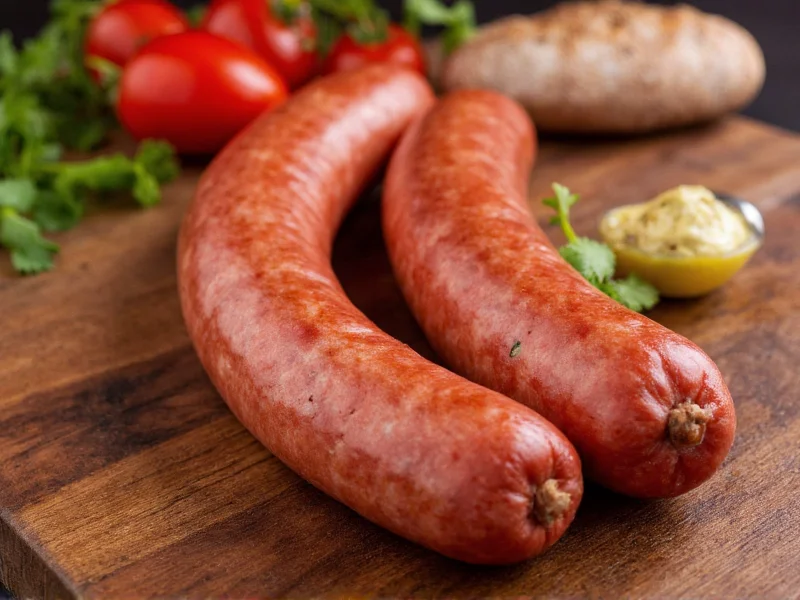
Eckrich sausage has established itself as a trusted name in American smoked meats since its founding in Fort Wayne, Indiana. The brand's commitment to traditional smoking processes creates distinctive flavor profiles that have made it a staple in households across the United States. Unlike many mass-produced sausage options, Eckrich maintains consistent quality through careful selection of ingredients and adherence to time-tested preparation methods.
History and Brand Evolution
Founded in 1926 by John H. Eckrich, the company began as a small meat market in Fort Wayne, Indiana. What started as a local business quickly gained regional recognition for its smoked sausage products. The brand's signature smoking technique, developed by Eckrich himself, became the foundation of their distinctive flavor. In 1998, Eckrich was acquired by Smithfield Foods, which has maintained the brand's traditional production methods while expanding its national distribution. Today, Eckrich remains one of America's most recognized smoked sausage brands, preserving the quality standards established nearly a century ago.
Eckrich Sausage Product Range
Eckrich offers several sausage varieties that cater to different dietary preferences and cooking needs:
| Product Type | Key Characteristics | Common Uses |
|---|---|---|
| Classic Smoked Sausage | Hickory-smoked, fully cooked, available in various sizes | Grilling, slicing for sandwiches, adding to soups and stews |
| Hot Smoked Sausage | Spicy blend with red pepper flakes, fully cooked | Cajun dishes, pasta sauces, pizza toppings |
| Turkey Smoked Sausage | Leaner option, lower fat content, fully cooked | Health-conscious meals, salads, breakfast dishes |
| Sweet Italian Smoked Sausage | Mild seasoning with fennel, fully cooked | Pasta dishes, sandwiches, appetizers |
Ingredients and Quality Standards
Eckrich sausage products typically contain premium cuts of pork or turkey, water, corn syrup, salt, flavorings, sodium phosphate, and sodium erythorbate. The brand maintains strict quality control throughout production, with particular attention to the smoking process that gives their products distinctive flavor. Most Eckrich sausage varieties are fully cooked, making them convenient for quick meal preparation. Regarding dietary concerns, many Eckrich products are gluten-free, though consumers should always check specific product labels as formulations may vary.
Cooking Techniques for Eckrich Sausage
Professional chefs and home cooks appreciate Eckrich sausage for its versatility in various cooking methods. For optimal results when preparing Eckrich smoked sausage:
- Grilling: Preheat grill to medium heat, cook for 8-10 minutes turning occasionally until golden brown
- Pan-frying: Slice sausage and cook in a non-stick skillet over medium heat for 5-7 minutes until heated through
- Oven preparation: Bake at 350°F for 12-15 minutes for pre-sliced pieces
- Boiling: Simmer in water for 5 minutes for a tender texture ideal for soups and stews
Many home cooks wonder about the best ways to enhance Eckrich sausage flavor. Simple preparations often work best—try slicing and pan-frying with onions and peppers for a classic combination, or dice and add to breakfast scrambles. The fully cooked nature of Eckrich products means they require minimal preparation time while still delivering robust flavor.
Comparing Eckrich to Other Sausage Brands
When evaluating smoked sausage options, several factors distinguish Eckrich from competitors. Compared to regional specialty brands, Eckrich offers consistent nationwide availability while maintaining quality standards. Against premium artisanal brands, Eckrich provides more accessible pricing while still using traditional smoking methods. When compared to store-brand sausages, Eckrich typically demonstrates more consistent texture and flavor profile across production batches.
Nutritionally, Eckrich sausage products generally contain similar protein content to comparable brands but may have slightly higher sodium levels due to the curing process. The turkey sausage line offers a leaner alternative that competes favorably with other national brands in terms of both nutrition and flavor.
Availability and Purchasing Information
Eckrich sausage products are widely available throughout the United States in major grocery chains including Kroger, Walmart, Target, and regional supermarkets. The brand maintains consistent distribution across most states, though specific product varieties may vary by region. For consumers seeking Eckrich products, checking the smoked meat section of the grocery store is typically most productive, as the distinctive packaging makes it easily identifiable.
When purchasing Eckrich sausage, consumers should check the "best by" date and ensure the packaging is intact with no signs of leakage. Proper refrigeration is essential, and opened packages should be consumed within 3-5 days or frozen for longer storage. Many grocery delivery services now include Eckrich products in their meat selections, expanding accessibility for consumers who prefer online shopping.




 浙公网安备
33010002000092号
浙公网安备
33010002000092号 浙B2-20120091-4