
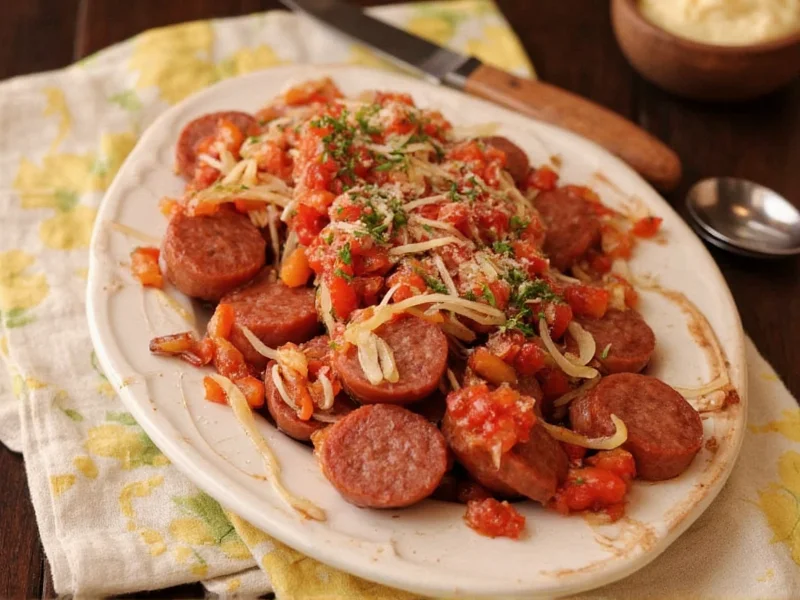
If you're searching for Eckrich sausage recipes, you'll find versatile options for breakfast, dinner, and everything in between. Eckrich offers smoked sausage, breakfast patties, and turkey varieties that work well in casseroles, skillet meals, and one-pot dishes. This guide provides tested recipes with cooking times, ingredient substitutions, and preparation tips specifically for Eckrich products.
Understanding Eckrich Sausage Products
Eckrich, a well-established American meat brand, produces several sausage varieties perfect for home cooking. Their product line includes:
| Sausage Type | Flavor Profile | Best Cooking Methods |
|---|---|---|
| Smoked Sausage | Rich, hickory-smoked with garlic notes | Slicing, grilling, adding to soups |
| Breakfast Sausage | Traditional sage seasoning | Pan-frying, baking in casseroles |
| Turkey Sausage | Lighter flavor, less fat content | Stir-fries, pasta dishes, healthy meals |
Essential Cooking Tips for Eckrich Sausage
Before diving into specific recipes, understand these key preparation principles for optimal results with Eckrich products:
- Pre-cooked advantage: Most Eckrich sausages are fully cooked, requiring only heating through rather than cooking from raw
- Fat management: When pan-frying, drain excess grease after browning to prevent油腻 dishes
- Slicing technique: Freeze sausage for 15 minutes before slicing for cleaner cuts in recipes like jambalaya
- Flavor pairing: Eckrich's smoked varieties complement bell peppers, onions, and bold spices like cayenne
Breakfast Recipes Featuring Eckrich Sausage
Morning meals showcase Eckrich breakfast sausage perfectly. Try these family-friendly options:
Eckrich Sausage and Sweet Potato Hash
This easy Eckrich sausage recipes for breakfast combines protein and vegetables for a balanced morning meal.
- 1 package Eckrich breakfast sausage patties
- 2 medium sweet potatoes, diced
- 1 red bell pepper, chopped
- 1 small onion, diced
- 2 tbsp olive oil
- 1 tsp smoked paprika
Instructions: Heat olive oil in cast-iron skillet. Add sweet potatoes and cook 8 minutes until beginning to soften. Add Eckrich sausage, breaking into chunks, plus peppers and onions. Cook 10-12 minutes until potatoes are tender and sausage is browned. Sprinkle with paprika before serving.
Dinner Ideas with Eckrich Smoked Sausage
For satisfying evening meals, these Eckrich sausage recipes deliver restaurant-quality results with minimal effort.
One-Pot Eckrich Sausage Pasta
This quick Eckrich sausage dinner idea requires just one pot and 25 minutes from start to table.
- 1 package Eckrich smoked sausage, sliced
- 8 oz penne pasta
- 2 cups chicken broth
- 1 (14.5 oz) can diced tomatoes
- 1 tsp Italian seasoning
- 1/2 cup grated Parmesan
Instructions: In large pot, brown Eckrich sausage slices over medium heat. Add pasta, broth, tomatoes, and seasoning. Bring to boil, then reduce heat and simmer 15 minutes until pasta is tender. Stir in Parmesan before serving. For healthier recipes with Eckrich sausage, substitute whole wheat pasta and add spinach during the last 2 minutes of cooking.
Family-Friendly Casseroles
Casseroles represent some of the best Eckrich sausage recipes for feeding groups. The sausage adds protein and flavor without overwhelming other ingredients.
Eckrich Sausage Breakfast Casserole
Perfect for holiday mornings or meal prep, this casserole uses Eckrich breakfast sausage as its protein foundation.
- 1 package Eckrich breakfast sausage
- 12 large eggs
- 2 cups milk
- 6 cups cubed bread
- 2 cups shredded cheddar
- 1/2 tsp garlic powder
Instructions: Brown Eckrich sausage in skillet and drain excess fat. In greased 9x13 dish, layer bread, sausage, and half the cheese. Whisk eggs, milk, and seasonings; pour over layers. Top with remaining cheese. Refrigerate overnight or bake immediately at 350°F for 45-50 minutes until set.
Cooking Variations and Substitutions
Adapt these Eckrich sausage recipes based on dietary needs and preferences:
- For gluten-free: Use gluten-free bread in casseroles and ensure all packaged ingredients are certified GF
- For lower sodium: Choose Eckrich's reduced-sodium varieties and increase herbs instead of salt
- Veggie boost: Add zucchini, mushrooms, or spinach to any Eckrich sausage skillet recipe
- Spice adjustment: Eckrich smoked sausage works well with Cajun seasoning for spicy jambalaya-style dishes
Storage and Reheating Guidelines
Proper storage extends the life of your Eckrich sausage creations:
- Cooked Eckrich sausage dishes keep refrigerated for 3-4 days in airtight containers
- Freeze portions of Eckrich sausage casseroles for up to 3 months
- Reheat single servings in microwave at 50% power to prevent rubbery texture
- Revive leftovers by adding a splash of broth when reheating on stove
Can I use frozen Eckrich sausage directly in recipes?
Yes, you can add frozen Eckrich sausage directly to soups, stews, and casseroles. For skillet recipes, thaw overnight in refrigerator for best texture. Frozen smoked sausage may require 3-5 extra minutes of cooking time to heat through completely.
What's the difference between Eckrich smoked sausage and kielbasa?
Eckrich smoked sausage has a milder flavor profile with subtle garlic notes compared to traditional kielbasa's stronger garlic and marjoram seasoning. Both work well in similar recipes, but Eckrich's version offers a more approachable flavor for family meals, especially for those who prefer less intense seasoning in their easy Eckrich sausage recipes.
How do I prevent Eckrich sausage from becoming dry when cooking?
Since Eckrich sausage is pre-cooked, avoid overcooking which causes dryness. For skillet recipes, heat just until browned (3-4 minutes per side). When adding to casseroles or soups, incorporate during the last 10-15 minutes of cooking. For healthier recipes with Eckrich sausage, adding a small amount of broth or tomato sauce helps maintain moisture.
Are there vegetarian alternatives that work with these Eckrich sausage recipes?
For plant-based alternatives, use smoked tofu or commercial plant-based sausages in equal portions. Adjust cooking times as plant-based products often require less heating. The seasonings in Eckrich sausage recipes for dinner generally complement vegetarian alternatives well, though you may want to add 1/4 tsp liquid smoke to replicate the smoked flavor profile.
What kitchen tools work best for preparing Eckrich sausage recipes?
A cast-iron skillet provides even heating for browning Eckrich sausage without sticking. For slicing smoked sausage, a sharp chef's knife or serrated knife works best. When making one-pot Eckrich sausage meals, a Dutch oven ensures proper heat distribution. For breakfast casseroles, a glass baking dish allows you to monitor browning on the edges.




 浙公网安备
33010002000092号
浙公网安备
33010002000092号 浙B2-20120091-4