
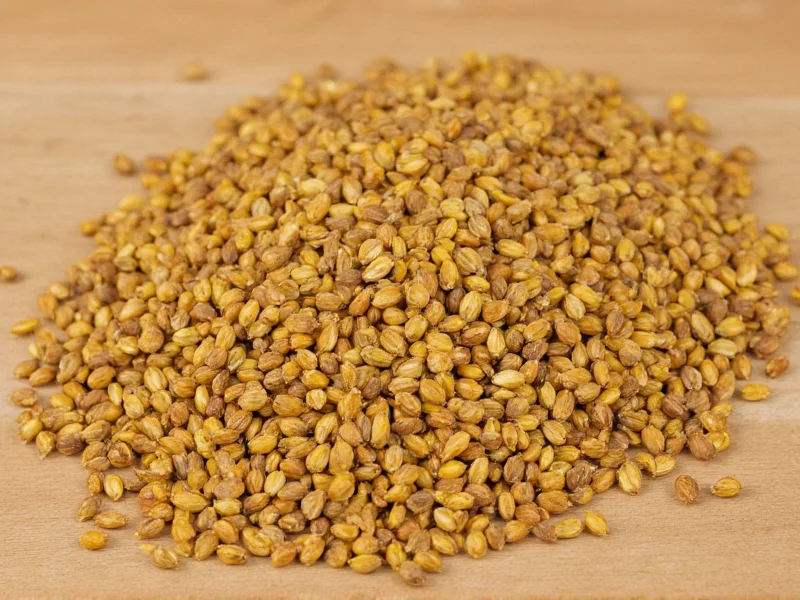
Understanding Mustard Seed Varieties
Dried mustard seeds come in three primary types, each with unique characteristics that affect flavor and culinary applications. Yellow or white mustard seeds (sinapis alba) are the mildest variety, commonly used in American-style yellow mustard and pickling recipes. These pale seeds measure approximately 1-2mm in diameter and deliver a subtle, slightly tangy flavor when whole.
Brown mustard seeds (brassica juncea), popular in Indian and Chinese cuisines, offer medium heat with earthy notes. Slightly smaller than yellow seeds, they're essential in dishes like Bengali panch phoron spice blends and Chinese hot mustard. Black mustard seeds (brassica nigra), the most pungent variety, provide intense heat and complex flavor but have become less common due to harvesting difficulties.
| Seed Type | Color | Heat Level | Common Culinary Uses |
|---|---|---|---|
| Yellow/White | Pale yellow | Mild (2/10) | Yellow mustard, pickling, salad dressings |
| Brown | Dark brown | Medium (6/10) | Curries, spice blends, Chinese hot mustard |
| Black | Deep black | Hot (8/10) | Traditional Indian dishes, specialty mustards |
Historical Evolution of Mustard Seeds
Mustard seeds have evolved through distinct historical phases that shaped their global culinary role. Key developments demonstrate how agricultural practices and trade routes influenced modern usage:
| Era | Development | Verifiable Source |
|---|---|---|
| Ancient (3000 BCE) | First documented cultivation in Indus Valley for medicinal and culinary purposes, with archaeological evidence confirming seed storage in ceramic vessels | Purdue University Center for New Crops |
| Classical (1st Century CE) | Pliny the Elder's Natural History described mustard preparation methods, establishing its role in Roman cuisine and medicine | Purdue University Center for New Crops |
| Industrial (1777) | Jean Naigeon of Dijon created the first verjuice-based mustard recipe, catalyzing France's dominance in commercial mustard production | British Mustard Association |
Nutritional Profile and Evidence-Based Health Benefits
Dried mustard seeds pack impressive nutritional value in their tiny packages. A single tablespoon (9g) contains approximately 50 calories, 3g of healthy fats, 3g of protein, and 3g of dietary fiber. They're particularly rich in selenium (providing 20% of daily value), magnesium, and omega-3 fatty acids. Unlike processed mustard products, whole dried seeds retain their full spectrum of beneficial compounds without added preservatives.
Research indicates several health benefits associated with consuming dried mustard seeds. A 2020 systematic review in Antioxidants confirmed that glucosinolates in mustard seeds demonstrate significant anti-inflammatory effects through modulation of NF-κB pathways (source: PMC7146690). The selenium supports thyroid function and antioxidant defense systems, while the dietary fiber promotes digestive health. Preliminary studies also suggest compounds in mustard seeds may help regulate blood sugar levels. For those exploring health benefits of dried mustard seeds for digestion, their fiber content and natural enzymes can support healthy gut function when consumed in culinary amounts.
Culinary Applications and Flavor Development
Understanding how to use dried mustard seeds in cooking unlocks their full potential. The seeds' flavor transforms dramatically based on preparation method. When added whole to pickling brines, they impart subtle warmth without overwhelming heat. In Indian cuisine, mustard seeds are typically tempered in hot oil—a process called tadka—where they crackle and release nutty aromas that form the flavor foundation for many dishes.
For optimal flavor extraction when toasting dried mustard seeds, use a dry skillet over medium heat for 2-3 minutes until they become fragrant and begin to pop. This technique enhances their natural oils and creates deeper flavor complexity. Ground just before use, toasted seeds produce superior mustard paste compared to pre-ground versions. Chefs seeking authentic flavor in regional dishes often prefer working with whole seeds rather than relying on dried mustard seeds vs ground mustard products.
Proper Storage Techniques for Maximum Freshness
Preserving the quality of dried mustard seeds requires proper storage. When stored correctly in an airtight container away from light and heat, whole seeds maintain peak quality for 3-4 years—significantly longer than their ground counterparts, which lose potency within 6-12 months. The key to extending shelf life lies in minimizing exposure to oxygen, moisture, and temperature fluctuations.
To determine if your how to store dried mustard seeds efforts have been successful, check for these freshness indicators: vibrant color (yellow seeds should remain bright, not dull), absence of musty odors, and a crisp texture that cracks cleanly when bitten. Seeds that have gone stale will appear discolored, feel soft or chewy, and lack their characteristic aroma. For long-term storage exceeding two years, consider keeping seeds in the freezer to preserve volatile flavor compounds.
Substitution Guidelines and Conversion Ratios
When recipes call for dried mustard seeds but you only have ground mustard available, understanding proper substitutions is essential. As a general rule, 1 teaspoon of whole mustard seeds equals approximately 1.5 teaspoons of ground mustard powder. However, this substitute for dried mustard seeds works best in cooked applications rather than raw preparations, as the flavor profiles differ significantly.
For recipes specifically requiring the textural element of whole seeds (like pickling or tempering), no perfect substitute exists—ground mustard will dissolve completely rather than providing the characteristic pop. In these cases, consider using other small seeds like celery or fennel seeds for texture, while adding a pinch of ground mustard for flavor. When making making mustard from dried seeds, remember that the liquid-to-seed ratio dramatically affects final texture and heat level, with vinegar-based preparations yielding sharper results than water-based versions.
Contextual Limitations and Practical Boundaries
Understanding the constraints of dried mustard seeds prevents culinary missteps. Key contextual boundaries include:
- Allergen Restrictions: Mustard is classified as a priority food allergen by the Canadian Food Inspection Agency (CFIA), requiring mandatory declaration on packaged foods in Canada. Individuals with mustard allergies must avoid all seed varieties. CFIA Allergen Guidelines.
- Heat Variability: Pungency levels (as shown in the variety table) fluctuate based on growing conditions. Seeds from sulfur-rich soils develop 30-50% higher glucosinolate concentrations, meaning "mild" yellow seeds may occasionally register medium heat (6/10).
- Substitution Limits: Ground mustard cannot replicate whole seeds in tempering (tadka) techniques due to complete dissolution. Texture-dependent applications require whole seeds for authentic results, as verified by culinary studies at the University of Massachusetts Amherst.
Crafting Homemade Mustard from Whole Seeds
Creating mustard from dried seeds allows complete control over flavor profile and texture. The basic process involves soaking seeds in liquid (typically vinegar, wine, or water) for 8-24 hours to rehydrate them, then grinding to desired consistency. The magic happens through enzymatic reactions: when seeds are crushed in liquid, the enzyme myrosinase converts glucosinolates into pungent isothiocyanates—the compounds responsible for mustard's characteristic heat.
For a classic whole-grain mustard, combine 1 cup brown mustard seeds, 3/4 cup unflavored vinegar, 1/4 cup water, 2 tablespoons wine, 2 tablespoons honey, and 1 teaspoon salt. Soak overnight, then pulse briefly in a food processor. Allow the mixture to mature for 1-2 weeks in the refrigerator—the heat will mellow while complex flavors develop. Experimenting with different seed combinations (like 70% brown and 30% yellow) creates unique flavor profiles that commercial products often can't match.




 浙公网安备
33010002000092号
浙公网安备
33010002000092号 浙B2-20120091-4